What Is the Saraswati Ashtottara Shatanamavali?
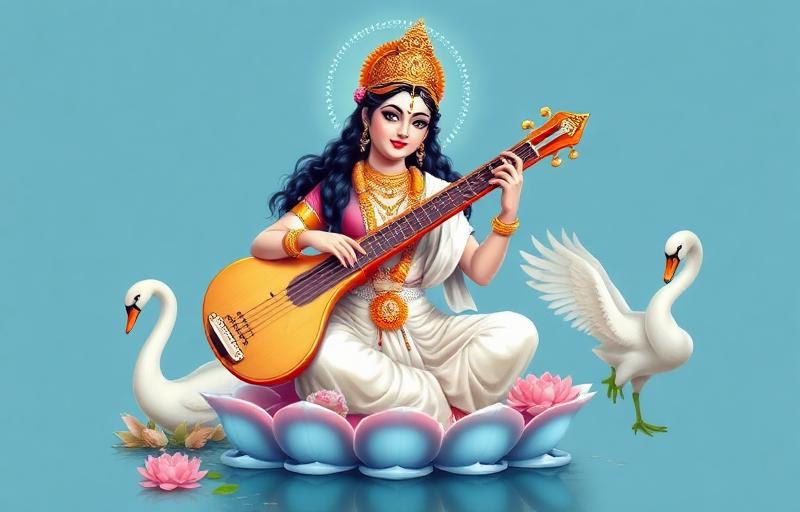
Ashtottara Shatanamavali means 'the garland of one hundred and eight names' - ashta (eight) + uttara (more than) + shata (hundred). The Saraswati Ashtottara Shatanamavali is the traditional set of 108 names of Maa Saraswati, the goddess of vidya (knowledge), vani (speech), music and the arts. Each name is recited with Om before it and Namah after it - for example, Om Saraswatyai Namah - turning the list into a complete japa of devotion. Why 108? The number is sacred across Hindu tradition: a japa mala carries 108 beads, and the count signifies completeness of devotion. Students recite these names before study and exams, musicians before practice, and families together on Vasant Panchami, Saraswati's great festival. The names below are grouped for easy reading, with Devanagari, transliteration and meaning. Even reciting them slowly once is considered a full offering to the goddess who holds the veena, the book and the mala.
Names 1-20 - Saraswati to Mahabhuja
The opening names describe the goddess herself - flowing, lotus-seated, holder of the book: 1. सरस्वती (Saraswati) - the flowing one, goddess of wisdom and speech. 2. महाभद्रा (Mahabhadra) - greatly auspicious. 3. महामाया (Mahamaya) - the great divine power. 4. वरप्रदा (Varaprada) - granter of boons. 5. श्रीप्रदा (Shriprada) - bestower of prosperity. 6. पद्मनिलया (Padmanilaya) - she who dwells in the lotus. 7. पद्माक्षी (Padmakshi) - lotus-eyed. 8. पद्मवक्त्रा (Padmavaktra) - lotus-faced. 9. शिवानुजा (Shivanuja) - tradition honours her as Shiva's younger sister. 10. पुस्तकधृत् (Pustakadhrit) - holder of the book of knowledge. 11. ज्ञानमुद्रा (Jnanamudra) - whose hand forms the gesture of wisdom. 12. रमा (Rama) - the delightful one. 13. परा (Para) - the supreme, beyond all. 14. कामरूपा (Kamarupa) - who takes any form at will. 15. महाविद्या (Mahavidya) - the great knowledge itself. 16. महापातकनाशिनी (Mahapatakanashini) - destroyer of great sins. 17. महाश्रया (Mahashraya) - the great refuge. 18. मालिनी (Malini) - garlanded one. 19. महाभोगा (Mahabhoga) - giver of great fulfilment. 20. महाभुजा (Mahabhuja) - mighty-armed protector.
Names 21-40 - Mahabhagya to Divyalankarabhushita
These names sing of her radiance, her moon-like beauty and her power that the devas themselves salute: 21. महाभाग्या (Mahabhagya) - greatly fortunate, giver of fortune. 22. महोत्साहा (Mahotsaha) - full of great zeal and energy. 23. दिव्याङ्गा (Divyanga) - of divine form. 24. सुरवन्दिता (Suravandita) - saluted by the devas. 25. महाकाली (Mahakali) - the great dark power of time. 26. महापाशा (Mahapasha) - holder of the great noose that binds ignorance. 27. महाकारा (Mahakara) - of vast form. 28. महाङ्कुशा (Mahankusha) - bearer of the great goad that guides. 29. पीता (Pita) - clothed in yellow, the colour of Vasant Panchami. 30. विमला (Vimala) - stainless, pure. 31. विश्वा (Vishwa) - the universal one. 32. विद्युन्माला (Vidyunmala) - garlanded with lightning. 33. वैष्णवी (Vaishnavi) - of Vishnu's divine energy. 34. चन्द्रिका (Chandrika) - moonlight. 35. चन्द्रवदना (Chandravadana) - moon-faced. 36. चन्द्रलेखाविभूषिता (Chandralekhavibhushita) - adorned with the crescent moon. 37. सावित्री (Savitri) - radiance of the Gayatri. 38. सुरसा (Surasa) - the essence of sweetness. 39. देवी (Devi) - the goddess. 40. दिव्यालङ्कारभूषिता (Divyalankarabhushita) - adorned with divine ornaments.
Names 41-74 - Vagdevi to Shastrarupini
This stretch holds some of her most beloved names - वाग्देवी (Vagdevi, goddess of speech), भारती (Bharati, the voice of Bharat), ब्राह्मी (Brahmi, Brahma's shakti) and विद्यारूपा (Vidyarupa, knowledge embodied): 41. वाग्देवी (Vagdevi) 42. वसुधा (Vasudha) 43. तीव्रा (Tivra) 44. महाभद्रा (Mahabhadra) 45. महाबला (Mahabala) 46. भोगदा (Bhogada) 47. भारती (Bharati) 48. भामा (Bhama) 49. गोविन्दा (Govinda) 50. गोमती (Gomati) 51. शिवा (Shiva) 52. जटिला (Jatila) 53. विन्ध्यवासा (Vindhyavasa) 54. विन्ध्याचलविराजिता (Vindhyachalavirajita) 55. चण्डिका (Chandika) 56. वैष्णवी (Vaishnavi) 57. ब्राह्मी (Brahmi) 58. ब्रह्मज्ञानैकसाधना (Brahmajnanaikasadhana) 59. सौदामिनी (Saudamini) 60. सुधामूर्ति (Sudhamurti) 61. सुभद्रा (Subhadra) 62. सुरपूजिता (Surapujita) 63. सुवासिनी (Suvasini) 64. सुनासा (Sunasa) 65. विनिद्रा (Vinidra) 66. पद्मलोचना (Padmalochana) 67. विद्यारूपा (Vidyarupa) 68. विशालाक्षी (Vishalakshi) 69. ब्रह्मजाया (Brahmajaya) 70. महाफला (Mahaphala) 71. त्रयीमूर्ति (Trayimurti) 72. त्रिकालज्ञा (Trikalajna) 73. त्रिगुणा (Triguna) 74. शास्त्ररूपिणी (Shastrarupini). Together these names praise her as the earth's abundance (Vasudha), the dweller of the Vindhya hills, the lightning-bright one (Saudamini), the form of nectar (Sudhamurti), the ever-wakeful (Vinidra), the embodiment of the three Vedas (Trayimurti), knower of past, present and future (Trikalajna) and the living form of the shastras.
Names 75-108 - Shumbhasurapramathini to Brahmavishnushivatmika
The final names remember her Devi-rupa that vanquished demons, then close with her swan seat and her oneness with the Trimurti: 75. शुम्भासुरप्रमथिनी (Shumbhasurapramathini) 76. शुभदा (Shubhada) 77. सर्वात्मिका (Sarvatmika) 78. रक्तबीजनिहन्त्री (Raktabijanihantri) 79. चामुण्डा (Chamunda) 80. अम्बिका (Ambika) 81. मुण्डकायप्रहरणा (Mundakayapraharana) 82. धूम्रलोचनमर्दना (Dhumralochanamardana) 83. सर्वदेवस्तुता (Sarvadevastuta) 84. सौम्या (Saumya) 85. सुरासुरनमस्कृता (Surasuranamaskrita) 86. कालरात्री (Kalaratri) 87. कलाधारा (Kaladhara) 88. रूपसौभाग्यदायिनी (Rupasaubhagyadayini) 89. वाग्देवी (Vagdevi) 90. वरारोहा (Vararoha) 91. वाराही (Varahi) 92. वारिजासना (Varijasana) 93. चित्राम्बरा (Chitrambara) 94. चित्रगन्धा (Chitragandha) 95. चित्रमाल्यविभूषिता (Chitramalyavibhushita) 96. कान्ता (Kanta) 97. कामप्रदा (Kamaprada) 98. वन्द्या (Vandya) 99. विद्याधरसुपूजिता (Vidyadharasupujita) 100. श्वेतानना (Shvetanana) 101. नीलभुजा (Nilabhuja) 102. चतुर्वर्गफलप्रदा (Chaturvargaphalaprada) 103. चतुराननसाम्राज्या (Chaturananasamrajya) 104. रक्तमध्या (Raktamadhya) 105. निरञ्जना (Niranjana) 106. हंसासना (Hamsasana) 107. नीलजङ्घा (Nilajangha) 108. ब्रह्मविष्णुशिवात्मिका (Brahmavishnushivatmika). Key meanings: Shubhada - giver of auspiciousness; Sarvadevastuta - praised by all devas; Hamsasana - seated on the swan that separates milk from water, as wisdom separates truth from untruth; Chaturvargaphalaprada - granter of the four aims of life; and the crowning name, Brahmavishnushivatmika - she whose being unites Brahma, Vishnu and Shiva.
When to Recite and the Simple Japa Vidhi
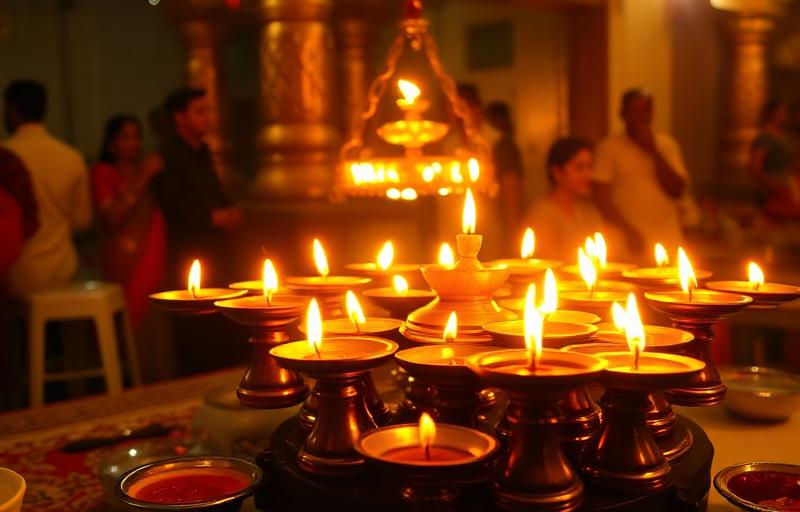
The most cherished occasion is Vasant Panchami (Magha Shukla Panchami, January-February), Saraswati's own festival, when books, instruments and pens are placed at her feet and the namavali is recited by the whole family - check the exact date each year on the Vandnaa Panchang. Other beloved occasions: the morning of an exam or interview, the start of a new class or course, Navratri (especially the Saraswati puja days of Sharad Navratri in the south), and any Wednesday or Panchami tithi for regular practice. The simple vidhi: 1. Bathe and sit facing east or north at your study table or home mandir, ideally in Brahma muhurat or before study. 2. Place an image of Maa Saraswati; offer a white or yellow flower, and light a diya. 3. Begin with Om Shri Gurubhyo Namah and the dhyana shloka Ya Kundendu Tushara Hara Dhavala. 4. Recite the 108 names with Om and Namah, slowly and clearly - with a mala if you have one, one bead per name. 5. Close with a short prayer for clear buddhi and offer the study or work of the day to her.
Benefits for Students and Daily Study
Tradition describes the fruits of this namavali in the language of devotion: clarity of buddhi, sweetness and confidence of vani, steadiness in study, and removal of the dullness that the texts call jadata. Students through the centuries have kept three simple practices. First, a pre-study recitation - even ten names with full attention settles the mind faster than scrolling ever will; the act of slow, clear pronunciation is itself concentration training. Second, the exam-morning recitation - the full 108 names take about ten minutes and replace anxiety with a sense of being accompanied. Third, the Vasant Panchami sankalp - many students begin a new subject, instrument or language on this day after the namavali, taking Saraswati as the unseen teacher of the venture. Parents can recite with young children, who usually love the rhythm long before they grasp the meaning. The namavali asks for no fee and no qualification - only a clean seat, a clear voice and a willing heart.
Reader Questions Answered
What is the Saraswati Ashtottara Shatanamavali?+
It is the traditional garland of 108 names of Maa Saraswati, goddess of knowledge, speech, music and the arts. Each name is recited as a mantra with Om before and Namah after - for example, Om Saraswatyai Namah - making the full recitation a complete japa of about ten minutes.
When is the best time to recite the 108 names of Saraswati?+
Vasant Panchami (Magha Shukla Panchami) is the most cherished occasion, along with exam mornings, the start of new studies, Navratri and any Wednesday or Panchami tithi. The early morning Brahma muhurat or any time before study works beautifully. Check each year's Vasant Panchami date on the Vandnaa Panchang.
Can students recite the namavali daily before studying?+
Yes, and it is one of the most loved student practices. The full 108 names take about ten minutes; on busy days even 10-20 names recited slowly with attention settle the mind for study. No elaborate ritual is needed - a clean seat, a moment of prayer and clear pronunciation are enough.
Why are there exactly 108 names?+
The number 108 is sacred throughout Hindu tradition - a japa mala has 108 beads, and ashtottara shata (one hundred and eight) signifies completeness of devotion. Reciting one name per bead completes exactly one mala, which is why deities including Shiva, Ganesh, Lakshmi and Saraswati each have an Ashtottara Shatanamavali.
What should be offered to Maa Saraswati during the recitation?+
White and yellow are her colours: white or yellow flowers, white sandalwood, kheer or white sweets, and on Vasant Panchami yellow rice and yellow clothing. Most meaningful of all is placing your books, pen or instrument before her image - offering the tools of learning is the heart of Saraswati puja.
Is the Saraswati namavali different from the Saraswati Vandana?+
Yes. The Saraswati Vandana (Ya Kundendu Tushara Hara Dhavala) is a short dhyana shloka describing the goddess, traditionally recited before study or at the start of puja. The Ashtottara Shatanamavali is the longer japa of 108 names. Many devotees combine them: Vandana first as invocation, then the namavali as the main recitation.
About the author
Acharya Vinaya Kapoor · M.A. Sanskrit, Mantra & Stotra Studies
Acharya Vinaya holds an M.A. in Sanskrit from Banaras Hindu University and writes the mantra and stotra commentary on Vandnaa. Her focus is on accurate pronunciation, traditional context, and helping modern readers connect with classical texts.
Meet the Vandnaa editorial team →