What Is the Shiva Ashtottara
The Shiva Ashtottara Shatanamavali is a sacred list of 108 names of Lord Shiva, each starting with Om and ending with Namah. The names celebrate his countless forms - the calm yogi of Kailash, the fierce destroyer of evil, and the boundlessly merciful Bholenath who is easily pleased. Reciting these names is among the simplest and most powerful ways to worship Mahadev, needing only water, bel leaves and a sincere heart.
Why the Number 108 Is Sacred
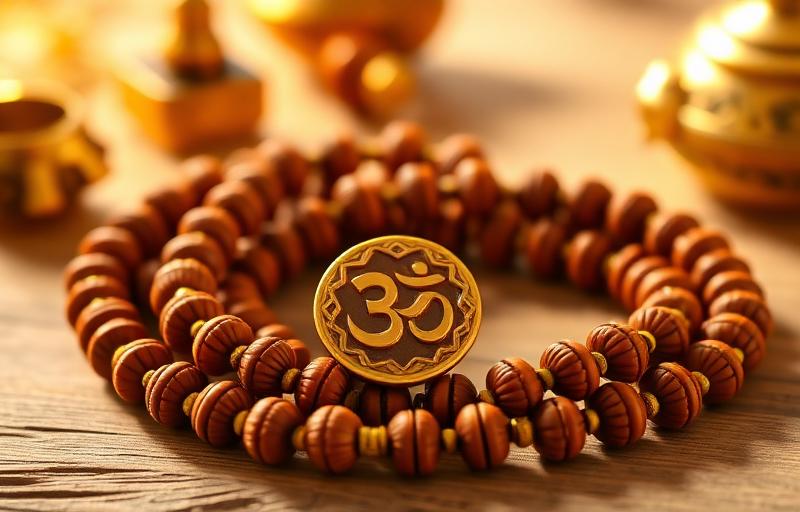
The number 108 holds deep meaning across Hindu tradition. A traditional rudraksha mala, dear to Shiva worshippers, has 108 beads, so one full round equals one cycle of names. Tradition connects 108 to cosmic order - the 12 zodiac signs multiplied by the 9 planets - and to the wholeness of creation. Completing 108 names in one sitting is believed to bring the mind into a state of calm focus and full surrender at Shiva's feet.
How to Chant the 108 Names
1. Bathe and sit facing north or east before a Shiva linga or image, on a clean seat. 2. Light a ghee or oil lamp and offer bel (bilva) leaves, water and white flowers. 3. Hold a rudraksha mala of 108 beads and begin with Om Namah Shivaya. 4. Recite each name slowly, moving one bead per name, ideally on a Monday or during Pradosh. 5. After the round, offer water on the linga and sit in silence for a moment. Mondays, Pradosh, Shivratri and the month of Shravan are the most powerful times.
Representative Names and Their Meaning
Here are some of the most beloved names from the 108, with their meaning:
1. Shankara (शंकर) - the giver of auspiciousness and well-being. 2. Mahadeva (महादेव) - the greatest among the gods. 3. Rudra (रुद्र) - the fierce one who removes suffering. 4. Nilakantha (नीलकंठ) - the blue-throated one who drank the cosmic poison. 5. Bholenath (भोलेनाथ) - the innocent lord, easily pleased. 6. Tripurari (त्रिपुरारी) - the destroyer of the three demon cities. 7. Gangadhara (गंगाधर) - the one who holds the Ganga in his locks. 8. Chandrashekhara (चंद्रशेखर) - the one who wears the crescent moon. 9. Pashupati (पशुपति) - the lord of all living beings. 10. Mrityunjaya (मृत्युंजय) - the conqueror of death. 11. Bhairava (भैरव) - the fearsome guardian form. 12. Digambara (दिगंबर) - the one clothed in the directions, beyond possessions. 13. Umapati (उमापति) - the beloved husband of Uma (Parvati). 14. Vishwanatha (विश्वनाथ) - the lord of the universe.
Benefits of Reciting the 108 Names
Reciting Shiva's 108 names is believed to remove fear, negative energy and obstacles, and to grant peace, good health and mental strength. The repetition of his names settles the restless mind, supports recovery from illness and grief, and deepens detachment and inner steadiness. As the lord who is easily pleased, Shiva is said to respond quickly to even simple, heartfelt remembrance of his names.
The Heart of Shiva Worship
While the 108 names are deeply auspicious, the five-syllable mantra 'Om Namah Shivaya' is called the very heart of Shiva worship. It can be repeated by anyone, anywhere, at any time, with no rules of purity or ritual. Whether you chant all 108 names or simply repeat 'Om Namah Shivaya' through the day, what Mahadev values most is the love and surrender behind the words, not their number.
Quick Answers
What is the Shiva Ashtottara?+
It is the Ashtottara Shatanamavali, a list of 108 sacred names of Lord Shiva. Each name praises a form, deed or quality of Mahadev, and reciting them is a simple, complete form of worship.
Why are there exactly 108 names of Shiva?+
108 is the most sacred number in Hindu tradition and matches the 108 beads of a rudraksha mala. It is linked to the 12 zodiac signs times the 9 planets, symbolising cosmic wholeness.
When is the best time to chant Shiva's 108 names?+
Mondays and the Pradosh period are ideal, and Shivratri and the month of Shravan are the most powerful. Early morning after a bath, facing north or east, is best for daily practice.
Why is Shiva called Bholenath?+
Bholenath means 'the innocent, easily pleased lord'. Shiva is said to be quickly satisfied by simple devotion - even plain water and bel leaves offered with love are enough to win his grace.
Do I need a rudraksha mala to chant the names?+
A 108-bead rudraksha mala is traditional and helps keep count, but it is not compulsory. You can count on your fingers. Sincere devotion and focus matter far more than the mala itself.
Can anyone recite the Shiva 108 names?+
Yes. The Ashtottara and the mantra Om Namah Shivaya have no restrictions of any kind. People of all ages and backgrounds chant Shiva's names for peace, health and protection.
About the author
Acharya Vinaya Kapoor · M.A. Sanskrit, Mantra & Stotra Studies
Acharya Vinaya holds an M.A. in Sanskrit from Banaras Hindu University and writes the mantra and stotra commentary on Vandnaa. Her focus is on accurate pronunciation, traditional context, and helping modern readers connect with classical texts.
Meet the Vandnaa editorial team →Explore on Vandnaa
Related Articles
Shri Ram 108 Names (Ashtottara) - Meaning & Benefits
9 min read

Om Namah Shivaya Mantra Benefits & Meaning (ॐ नमः शिवाय)
9 min read
Maha Mrityunjaya Mantra: Meaning & Benefits (महा मृत्युंजय मंत्र)
9 min read
Shiv Aarti Lyrics – Om Jai Shiv Omkara (शिव आरती)
13 min read
Shiv Chalisa Lyrics & Meaning in Hindi (शिव चालीसा)
13 min read
How to Do Rudrabhishek (Shiva Abhishek) at Home
9 min read