What Is the Satyanarayan Vrat
The Satyanarayan Vrat is the worship of Lord Vishnu in his form as Satyanarayan - the embodiment of truth (satya) and the lord (narayan). It is one of the most popular and accessible vows in Hindu households, performed for prosperity, peace, the fulfilment of wishes and gratitude for blessings received. The heart of the vrat is listening to the Satyanarayan Katha with faith and sharing the prasad.
When Is the Vrat Performed
The Satyanarayan Vrat is most often done on Purnima (full moon day), especially Kartik, Vaishakh and Chaitra Purnima, and on Ekadashi. However, it can be performed on any auspicious day - to mark a new home, a wedding, a birth, a new business, recovery from illness, or simply to give thanks. Evening, after sunset, is the traditional time, though it may be done in the morning as well.
The Katha - The Poor Brahmin and the Woodcutter
The katha is told in five adhyayas (chapters). In the first, the sage Narada asks Vishnu how suffering humans can find relief, and the Lord reveals the Satyanarayan Vrat. A poor brahmin performs it with faith and is freed from poverty.
In the second, the brahmin teaches the vrat to a woodcutter, who performs it sincerely and is blessed with wealth and ease, showing that the vrat lifts anyone who keeps faith, regardless of birth or station.
The Merchant Sadhu and His Daughter Kalavati

In the third chapter, a childless merchant named Sadhu vows to perform the vrat if blessed with a child. He is granted a daughter, Kalavati, but in his joy he keeps delaying the promised puja.
In the fourth, Sadhu and his son-in-law, having forgotten the vow, are falsely accused and imprisoned, and their wealth is lost. When Kalavati and her mother resume the Satyanarayan Vrat with true devotion, the Lord's grace frees the men and restores their fortune.
The King and the Lesson of the Vow
In the fifth chapter, a king named Tungadhwaj comes upon cowherds offering the Satyanarayan prasad in the forest. In his pride, he refuses to accept and honour the prasad, and as a result he loses his wealth and sons.
Realising his disrespect, the king returns, partakes of the prasad with humility and performs the vrat - and all that he lost is restored. The katha closes by affirming that the Lord protects all who keep faith and honour the vrat.
Puja Vidhi and Prasad
The vrat is simple to perform at home: 1. Clean the space and set up a chowki with an image of Satyanarayan (Vishnu). 2. Take the sankalpa (resolve), then worship Ganesh, the Navagraha and Vishnu. 3. Offer flowers, fruit, tulsi, panchamrit and bhog. 4. The traditional prasad is sheera (sooji halwa) or panjiri, often called sapatha prasad; banana and tulsi are key ingredients. 5. Read or listen to all five chapters of the katha with full attention. 6. Perform the aarti and distribute the prasad to all present.
Significance - The Power of Keeping a Vow
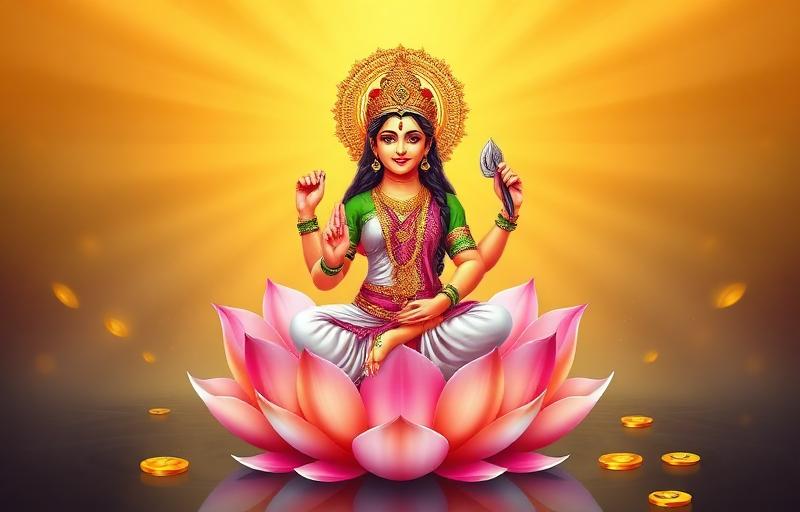
The recurring theme across all five chapters is the importance of keeping one's sapatha (vow). Those who promise the vrat and forget it - the merchant Sadhu, the proud king - face loss, while sincere, humble devotion restores everything. The deeper teaching is that truth, gratitude and faithfulness to one's word are the real worship of Satyanarayan. The vrat is not magic but a discipline of remembering God in good times and bad, and of honouring the promises we make.
Frequently Asked Questions
Who is Satyanarayan?+
Satyanarayan is a form of Lord Vishnu, worshipped as the embodiment of truth. 'Satya' means truth and 'Narayan' means the supreme lord, so the name means the lord who is truth itself.
When should the Satyanarayan Vrat be done?+
It is most often done on Purnima (full moon) or Ekadashi, but can be performed on any auspicious day - a new home, wedding, birth, new business or simply to give thanks.
What are the five chapters of the katha about?+
They tell of a poor brahmin, a woodcutter, the merchant Sadhu and his daughter Kalavati, and King Tungadhwaj - each showing that faith in the vrat brings blessings while neglecting the vow brings loss.
What prasad is offered in the Satyanarayan Vrat?+
The traditional prasad is sheera (sooji halwa) or panjiri, often called sapatha prasad. Banana and tulsi leaves are key ingredients, along with panchamrit and fruit.
What is the main lesson of the Satyanarayan Katha?+
The central lesson is the importance of keeping one's vow. Those who forget their promised puja face hardship, while truthfulness, gratitude and humble devotion restore prosperity and peace.
Can anyone perform the Satyanarayan Vrat at home?+
Yes. The vrat is simple and open to all. Set up an image of Satyanarayan, take a sankalpa, worship with faith, listen to all five chapters and share the prasad with everyone present.
About the author
Pandit Mahesh Trivedi · Festival Traditions & Panchang
Pandit Mahesh leads the festival-date and Panchang content on Vandnaa. He cross-references multiple regional panchangs (Drik, Vaishnava, Bengali, Marathi) for every festival date published on the site.
Meet the Vandnaa editorial team →Explore on Vandnaa
Related Articles
Vishnu Aarti Lyrics - Om Jai Jagdish Hare in Hindi & English
8 min read
Vishnu Sahasranama: The 1000 Names of Vishnu - Meaning, Benefits & Daily Recitation Vidhi
12 min read
Dashavatar - 10 Avatars of Lord Vishnu: Names, Order, Meaning, Significance
11 min read

Panchamrit - Meaning, 5 Ingredients, Significance & Puja Vidhi
8 min read
Krishna's Life Lessons - Teachings for Modern Life
10 min read
Ramayana Life Lessons - Timeless Teachings
10 min read