Why Daan Intensifies as Sawan Nears Its Close
Daan, charitable giving, runs through the entire fabric of Sawan, but tradition places particular weight on giving during the month's closing days, the period leading into Sawan Purnima on 28 August. The reasoning is rooted in how Hindu philosophy frames vrat and tapas more broadly: fasting and ritual are considered the internal, personal dimension of a month's discipline, while daan is its outward, social completion, the point where personal austerity turns into service to others.
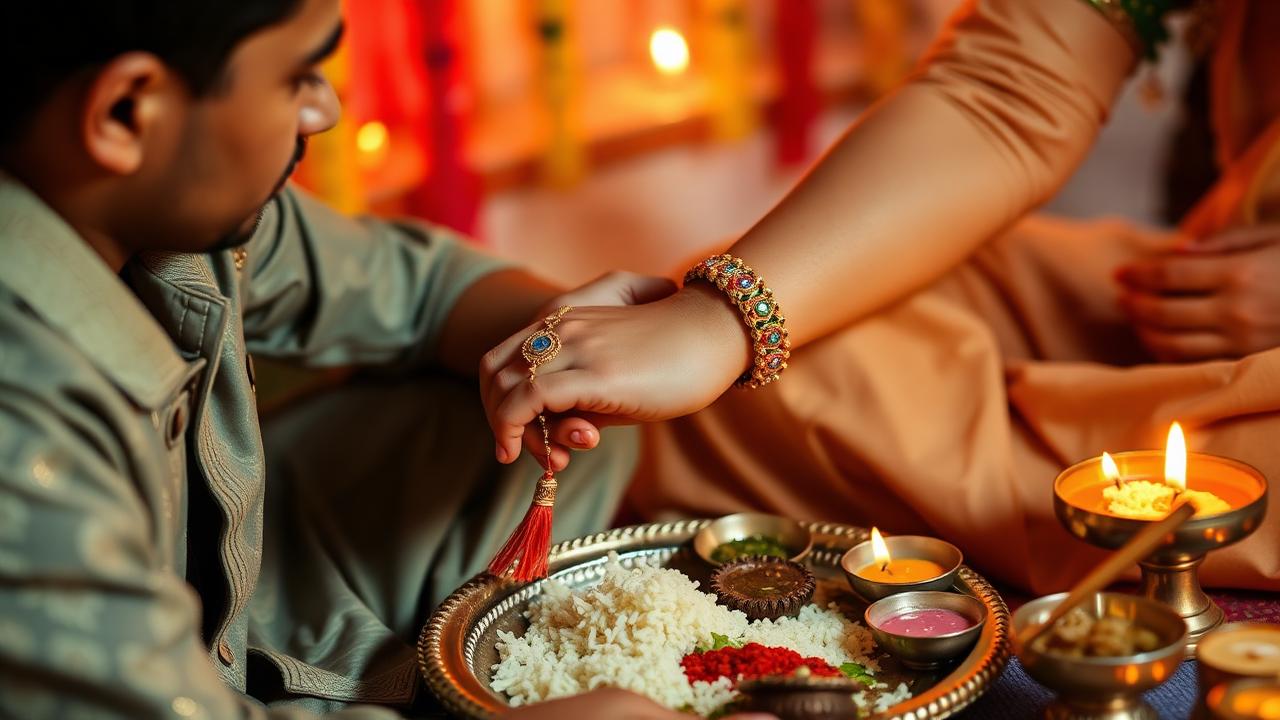
Several specific occasions cluster in Sawan's final stretch, each carrying its own daan emphasis. The fourth Sawan Somwar on 24 August closes the weekly fasting cycle, and many households mark it with a somewhat larger daan than the previous three Mondays. Sawan Purnima itself, 28 August, is one of the most daan-emphasized full moon days in the Hindu calendar, both as the culmination of Shravan and, independently, because purnima days generally are associated with heightened giving in most regional traditions. That this Purnima also coincides with Raksha Bandhan adds a further, distinct layer of gift-giving to the same closing days, though Rakhi gifting and Sawan's dharmic daan are conceptually separate practices even when they fall on the same date.
There is also a simpler, more human logic behind why giving picks up now: a month spent in heightened devotional awareness, through fasting, temple visits, and mantra practice, tends to naturally sharpen a devotee's sense of gratitude, and daan is the most direct traditional channel for translating that gratitude into action before the month's structure disappears. Waiting until "a more convenient time" after Sawan, many devotees find, means the specific intention behind Shravan daan gets lost entirely.
Til (Sesame) Daan: Specific Significance and Practice
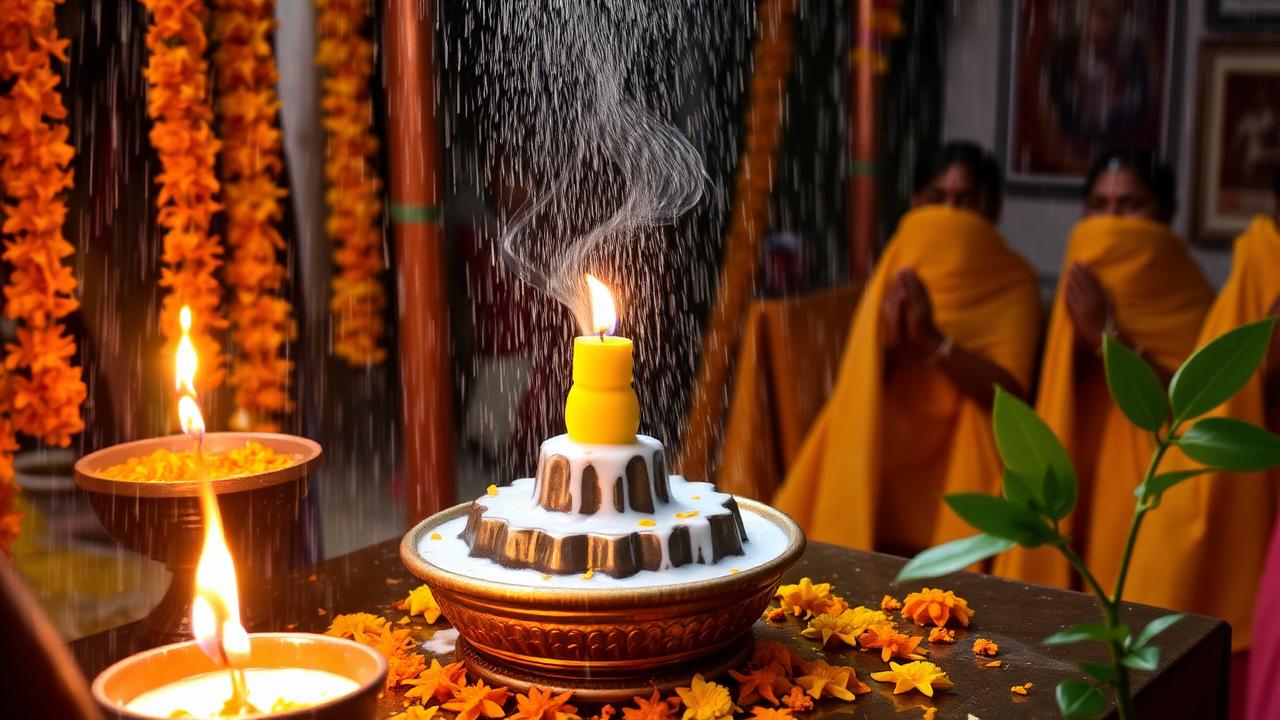
Til, sesame seeds, holds a distinctive place among Sawan's daan items, more commonly associated with winter observances like Makar Sankranti, but also specifically recommended in Shravan month tradition, particularly tied to Shiva worship and general purification rituals.
- Why til specifically: Sesame is considered one of the most purifying substances in Hindu ritual, used in homa (fire ritual) offerings, in tarpan (ancestral offerings), and as a symbol of steady, grounding energy, qualities considered fitting for Sawan's disciplined, Shiva-focused final days.
- What to give: Raw black or white til seeds, til oil, or til-based sweets (til laddoo, gajak, though these are more a winter specialty) can all be offered; black til in particular is associated with Shani and ancestral rites, so some households specifically avoid it in favor of white til for straightforward Shiva-related daan, following regional custom.
- To whom: Traditionally given to Brahmins, temple priests, or directly to those in need, particularly elderly or disabled individuals who may struggle to access such items themselves.
- Quantity and manner: There is no minimum quantity that carries special merit; even a small measured portion (a mutthi, or fistful) given with full attention and sincerity is considered complete. What matters more than volume is that it is offered fresh, clean and with both hands, a basic mark of respect in Hindu giving customs.
- Pairing with other items: Til is often given alongside a small amount of jaggery or a plain cloth, a combination some households specifically favor during Shravan's closing days as a symbolic pairing of nourishment and warmth.
For devotees unfamiliar with sourcing til specifically, any well-stocked grocery or a temple's own daan counter, common at major Shiva temples during Sawan's final week, typically has it readily available.
Anna Daan: Food Grains and Prepared Food
Anna daan, the donation of food grains or prepared food, is considered among the highest forms of daan in Hindu tradition generally, and Sawan's final days are a particularly favored window for it, partly because the monsoon season itself has historically been a time of scarcity in agrarian communities, making food giving especially meaningful.
- Raw grains: Rice, wheat (atta), and jaggery (gur) are the most commonly donated staples, chosen because they form the base of most Indian households' daily meals and store well, making them practical for recipients rather than only symbolic.
- Quantity guidance: Traditional guidance suggests giving in odd, auspicious quantities (1.25 kg, 2.5 kg, 5 kg) though this is customary rather than mandatory; what genuinely matters is giving within one's means rather than reaching for a specific number.
- Cooked food (bhandara-style giving): Many temples and community groups organize bhandara, free community meals, specifically during Sawan's final week and around Purnima, and contributing ingredients, labor or funds to these is considered equally meritorious to individual household daan.
- Falahar-specific giving: Given how many Sawan Somwar observers rely on fruit, sabudana, kuttu atta and singhare atta, donating these specific falahar staples to families who fast but cannot easily afford them is a thoughtful, season-specific version of anna daan increasingly practiced in urban communities.
- Feeding animals and birds: An extension of anna daan widely practiced in Sawan, offering grain to cows, feeding stray dogs, or setting out water and grain for birds, particularly meaningful given Nag Panchami's own animal-reverence themes on 17 August this year.
Anna daan's core principle is straightforward: no one should go hungry near a household observing a month meant to cultivate compassion, making this the most universally recommended daan of Sawan's closing days regardless of a family's specific sampradaya or regional custom.
Vastra Daan: Cloth and Clothing
Vastra daan, the donation of cloth or clothing, is another traditional pillar of Sawan's closing days, carrying its own specific etiquette that differs somewhat from general charitable clothing drives.
- White cloth for ritual and Brahmin daan: Plain white cotton cloth, traditionally offered to Brahmins or temple priests as part of Sawan's closing rituals, is considered auspicious specifically because white is associated with Shiva's own simplicity and detachment, in contrast to the more colorful cloth associated with festivals centered on other deities.
- New clothing for those in need: Beyond ritual-specific white cloth, donating new or good-condition everyday clothing, especially ahead of the coming festival season that follows Sawan, is a widely practiced and deeply appreciated form of vastra daan, particularly valuable for families with children who quickly outgrow clothes.
- Umbrellas and monsoon-specific items: Because Sawan falls squarely within monsoon season, some households extend vastra daan to include practical monsoon items, umbrellas, raincoats or plastic sheeting, for daily wage workers and others whose livelihood depends on being outdoors regardless of weather. This is a newer, practical extension of the same underlying principle rather than classical scriptural prescription, but increasingly common in urban daan practice.
- Footwear: Similarly, donating footwear, particularly to temple workers, sweepers, or those who walk long distances for daily labor, has become a common companion to vastra daan in many communities, especially relevant given how many devotees themselves walk barefoot stretches during Kanwar Yatra and temple visits this month.
- Etiquette: Cloth given as daan should be clean, ideally new or in genuinely good condition rather than treated as a way to dispose of unwanted items; several traditional teachings specifically caution against donating out of convenience rather than sincerity, since the spirit of the gift matters as much as the item itself.
Many households pair vastra daan with anna daan on the same visit to a temple or a needy family, offering both food and cloth together as a single, complete gesture during Sawan's final days.
Water, and Other Daan Items Suited to Sawan's Monsoon Setting
A few daan categories are specific to Sawan's monsoon timing and worth understanding on their own terms, since they differ from the giving associated with drier festival seasons like Diwali or summer months.
- Jal daan (water donation) might seem counterintuitive during the rainy season, but tradition maintains it year-round as one of the most fundamental forms of giving, and during Sawan specifically, setting up a piyau (water station) near a temple or busy road for thirsty passersby, including the many Kanwar pilgrims still active on routes through the final week, is considered highly meritorious.
- Chappal and rain gear for pilgrims: With Kanwar Yatra traffic still heavy through Sawan's closing days, some temples and community groups specifically collect and distribute footwear, ponchos or basic first aid to visibly struggling pilgrims, a very concrete, visible form of daan unique to this month.
- Cow donation and gaushala support: Contributing fodder, funds or direct care to a gaushala (cow shelter) is a long-standing form of daan that many households specifically prioritize during Shravan, given the cow's association with Shiva's companion Nandi and broader themes of care extended to all beings.
- Educational daan: Donating books, school supplies or fees for a child's education is a newer but increasingly common form of daan practiced by urban households during Sawan's final days, reflecting a broader, modern interpretation of vidya daan (the gift of knowledge) as equally meritorious to material giving.
- Monetary daan to temple trusts: For devotees unable to source or distribute physical items themselves, contributing funds to a temple's own daan or bhandara fund during Sawan's closing days achieves the same underlying purpose, letting the temple's established distribution network reach those most in need.
Whatever combination a household chooses, tradition is consistent on one point: daan given with genuine intention, even modest in scale, outweighs a larger donation given for show or social obligation.
How Much to Give, and the Etiquette That Matters More Than Quantity
One of the most common questions devotees ask about Sawan daan is essentially about scale: how much is enough, and does a larger donation carry proportionally more merit? Traditional teaching is fairly consistent in its answer, and it runs counter to how giving is often framed elsewhere.
The Bhagavad Gita's discussion of the three gunas as applied to daan (in Chapter 17) draws a clear distinction: daan given at the right time, to the right recipient, without expectation of return, and without reluctance is considered sattvic daan, the highest form, regardless of its material size. Daan given reluctantly, for some expected favor in return, or with visible resentment is considered lower in quality even if larger in quantity. This framework matters enormously for Sawan's final days specifically, when social pressure to be seen giving, at temples, in community WhatsApp groups, among extended family, can quietly push people toward performative daan rather than sincere daan.
A few practical guidelines follow from this:
- Give within your actual means, not what you imagine looks appropriately generous to others observing.
- Avoid publicizing your daan as a matter of course; quiet giving is specifically favored in most traditional teaching over daan announced for recognition.
- Prioritize genuine need over convenience, seeking out where a donation will meaningfully help rather than simply giving to whoever asks first or is most visible.
- Consistency over occasional large gestures. A modest, regular practice of giving something, even small, across all of Sawan's Mondays and its final days builds a habit that tends to outlast a single large one-time donation made only because Purnima demanded it.
- Involve children in the act itself, not just the money; letting a child personally hand over a donated item teaches the value more effectively than simply funding it invisibly on their behalf.
🪔 The Vandnaa App's Sawan calendar highlights each remaining significant date, the fourth Somwar, Purnima, so households can plan their daan around the days tradition considers most meaningful rather than missing them in the final rush.
Common Questions From Devotees
Why is daan considered especially important in Sawan's final days?+
Tradition treats daan as the outward completion of a month spent in fasting and ritual discipline, and the closing days, especially Sawan Purnima on 28 August, are considered particularly favorable for this act of giving.
Is there a minimum amount of til or grain that must be donated for it to count?+
No. Traditional teaching emphasizes sincerity and giving within one's means over any specific quantity; even a small amount offered with genuine intention is considered complete daan.
Should Sawan daan and Raksha Bandhan gifting be treated as the same thing this year?+
No, they are conceptually separate practices that simply share a date in 2026. Sawan daan is dharmic charity tied to the month's closing, while Raksha Bandhan gifting is a separate sibling tradition.
Can daan be given as money instead of physical items like grain or cloth?+
Yes, monetary daan to a temple trust or a verified charitable cause is fully accepted and achieves the same purpose, particularly useful for devotees who cannot source or distribute physical items themselves.
Does donating black til have a different meaning from white til?+
Black til is traditionally more associated with Shani worship and ancestral (tarpan) rites, so many households prefer white til for general Shiva-focused Sawan daan, though this varies by regional custom.
About the author
Pandit Mahesh Trivedi · Festival Traditions & Panchang
Pandit Mahesh leads the festival-date and Panchang content on Vandnaa. He cross-references multiple regional panchangs (Drik, Vaishnava, Bengali, Marathi) for every festival date published on the site.
Meet the Vandnaa editorial team →