
Devotion Should Not Become a Burden
By the time the fourth Sawan Somwar arrives on 24 August 2026, a certain kind of quiet exhaustion has often set in for devotees who approached the month as an all-or-nothing test of willpower rather than a sustainable practice. This final piece in our Sawan series exists to name that exhaustion directly and offer a different way of thinking about the month's fasting, one grounded firmly in tradition rather than in modern convenience-seeking.
The point of a vrat, across nearly every classical text that discusses it, is shraddha, faith, and sankalp, a focused intention, not physical hardship for its own sake. The Bhagavad Gita is explicit on this point: Chapter 17 describes austerity performed with excessive self-torment, or performed to impress others rather than from genuine devotion, as tamasic or rajasic tapas, lower forms of the practice, while the highest form, sattvic tapas, is described as being performed with faith, without expectation of reward, and without harming oneself in the process. This is not a modern reinterpretation designed to make fasting easier; it is a distinction the Gita itself draws clearly.
What this means practically is that a devotee juggling work deadlines, family obligations, travel and health considerations through Sawan is not failing at devotion by seeking a sustainable approach, they are, in a fairly literal textual sense, pursuing the higher form of the practice rather than the lower one. A fast kept with resentment, forced through gritted teeth to meet an external expectation, sits lower on this scale than a modified practice kept with genuine warmth and consistency.
The rest of this guide is built on that foundation: practical, specific ways to keep Sawan Somwar meaningful without letting it collide destructively with the rest of a full, demanding life.
Handling Work Meetings and Deadlines on Vrat Days
A Sawan Somwar that lands on a day packed with back-to-back meetings or a hard deadline calls for planning rather than either abandoning the fast or gritting through it at the cost of performance.
- Eat a proper falahar breakfast, not a token one: A common mistake is treating the morning falahar meal as an afterthought. A more substantial breakfast, milk, fruit, a filling sabudana or makhana dish, gives sustained energy through a demanding morning far better than skipping straight to a light snack.
- Keep desk-friendly falahar on hand throughout the day: Dry fruits, roasted makhana and fruit don't require preparation time and can be eaten discreetly between calls, preventing the energy dip that often causes irritability or poor focus during a long meeting.
- Front-load hydration: Milk, buttermilk or coconut water sipped steadily through the morning sustains energy more evenly than trying to catch up with a large intake later in the day.
- Avoid scheduling the most demanding tasks for late afternoon if you have any control over your calendar: Energy on a fasting day often dips more noticeably in the late afternoon; placing important presentations or negotiations earlier, when possible, is a practical rather than religious adjustment.
- It's fine to eat something small if focus is genuinely compromised: If a fast is causing dizziness, an inability to concentrate, or is putting an important professional outcome genuinely at risk, eating something small is a reasonable, permitted choice, not a failure. The Gita's own warning against tapas performed to the point of self-harm applies directly here.
The underlying principle is simple: plan the day around the fast rather than hoping the fast won't notice the day.
When and How to Modify Your Vrat Without Guilt
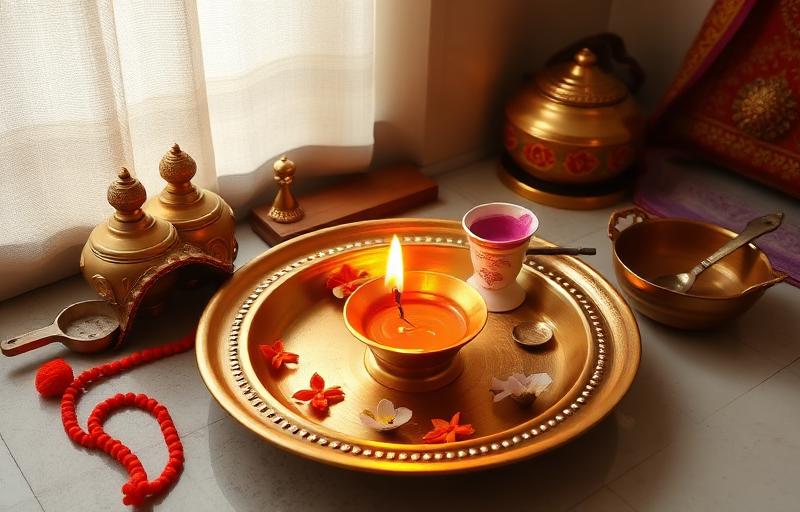
Guilt is, by a wide margin, the most common emotional obstacle devotees describe when a Sawan Somwar doesn't go as planned, often outweighing any actual physical difficulty involved. This section addresses that guilt directly rather than skirting around it.
- Illness, pregnancy, medical conditions and travel are universally recognised valid reasons to modify a vrat: No credible priest or text treats these as excuses; they are accepted circumstances under which a modified or symbolic practice carries full devotional weight, a point covered in more depth in our guide on Sawan fasting for diabetics and other health conditions.
- A vrat that includes a small, unplanned meal is not a 'broken' or 'failed' vrat: Traditional thinking treats this more as an adjustment within the day's practice than a collapse of it, particularly when the rest of the day's japa, abhishek and aarti still happened with genuine attention.
- You do not owe anyone an explanation for a modified practice: While the earlier guide on talking to family about modified vrats offers language for those conversations, it's worth stating plainly that a devotee's relationship with their own vrat does not require external validation to be considered complete or sincere.
- One missed or modified Monday does not undo the previous ones: Sawan's four Mondays are not a single continuous test where one weak link invalidates the rest; each Monday's devotion stands on its own, and a difficult third Monday doesn't erase the sincerity of the first, second or fourth.
- Resuming next Monday, not next year, is the expectation: If a fast is broken or skipped, the tradition's implicit message is simply to return to the practice the following week, not to treat the entire month as forfeit.
The test that most matters, across nearly every traditional source on this subject, is whether the intention behind the day remained sincere, not whether every external rule was followed without exception.
Building Sustainable Habits Instead of All-or-Nothing Devotion
Looking across an entire month rather than a single Monday reveals a pattern worth naming directly: devotees who attempt a maximally strict version of every single ritual often burn out by the second or third week, while those who build a smaller, genuinely sustainable practice tend to complete the month feeling energised rather than depleted.
- Small daily acts compound more than occasional grand ones: Five minutes of Om Namah Shivaya japa done consistently across 30 days builds a different, deeper kind of familiarity with the practice than one elaborate, exhausting ritual attempted once and not repeated.
- Choose your non-negotiables deliberately, and let the rest flex: Rather than treating every element of Sawan observance as equally mandatory, identifying the two or three practices that matter most personally, perhaps the Monday jal abhishek and the evening aarti, and holding those firmly while staying flexible on everything else, tends to produce a more sustainable month than an unbending approach to all of it.
- Notice the difference between discipline and self-punishment: Discipline feels effortful but ultimately nourishing; self-punishment feels depleting and resentful. When a Sawan practice starts generating dread rather than anticipation, that shift is worth noticing and responding to rather than pushing through blindly.
- Build in recovery, not just observance: Just as physical training requires rest days to be sustainable, a demanding vrat schedule benefits from consciously easier days built in, rather than assuming more intensity is always better.
- Let this Sawan inform next year's approach: Treating each year's observance as one data point in a longer relationship with the practice, rather than a single pass-fail test, allows a devotee to genuinely learn what works for their specific life and adjust accordingly, one of the quieter but more valuable outcomes an entire month of practice can offer.
A sustainable, modest practice kept faithfully across many years will, in most traditional framings, outweigh a single spectacular but unrepeatable month.
A Gentle Closing Thought for the Month of Sawan
As Sawan 2026 moves toward its close on 28 August, it's worth stepping back from the specific mechanics of fasting, timing and ritual sequence to remember what all of it is actually pointing toward. The water poured on the Shivling, the mantras counted on a mala, the falahar meals and the modified vrats alike, are all different doors into the same room: a steadier, calmer, more attentive relationship with one's own life, held in the presence of something larger than the day's to-do list.
Shiva himself, in the Halahala story that gives this entire month its meaning, is remembered not for elaborate ritual but for a single act of profound responsibility, holding what was difficult so that others could be at ease. There is something worth carrying forward in that image for anyone who has spent this Sawan juggling work, family, health and faith all at once: devotion, at its core, was never about performing perfectly under pressure. It was about showing up, again and again, with whatever sincerity the day allowed.
Whether your Sawan looked like four full fasts and a daily Brahma Muhurat practice, or a handful of five-minute desk prayers between meetings, or a single evening diya lit with real attention on a difficult week, the tradition, read honestly, holds all of these as complete. The month does not grade on a curve of intensity; it simply asks that whatever was offered was offered with presence.
Carrying a little of that calm, unhurried attention into the ordinary months that follow, long after the Shivling stops seeing daily abhishek and the falahar recipes go back in the drawer, is arguably the real, lasting outcome Sawan was always meant to leave behind.
🪔 The Vandnaa App's puja reminders and mantra counter stay useful well beyond Sawan, a small, steady way to carry this month's rhythm into the rest of the year.
Reader Questions Answered
Is it acceptable to break a Sawan Somwar vrat midway due to work?+
Yes. If a fast is genuinely compromising focus, health or an important professional outcome, eating something small is a reasonable choice. Tradition, including the Bhagavad Gita itself, warns against austerity taken to the point of self-harm.
How do I handle a Sawan Somwar fast day when I have a wedding or party to attend?+
Choose a light plate built around fruit, paneer dishes, lassi or other falahar-friendly options, and mention your fast to the host, which is almost always met with understanding at Indian social events.
Can I shift my Sawan Somwar fasting day if I am traveling?+
Many traditions accommodate shifting a fast by a day, or observing a shorter, symbolic version such as water and japa only, when travel makes the usual rules genuinely impossible. The sincerity of intention matters more than rigid timing.
Does modifying my vrat reduce its spiritual merit?+
Most traditional teaching, including the Bhagavad Gita's distinction between sattvic and tamasic tapas, holds that sincere faith and intention matter more than rigid adherence to every external rule. A modified vrat kept with genuine devotion carries full spiritual weight.
What is the healthiest way to sustain devotion through the whole month of Sawan?+
Building small, consistent daily habits, like five minutes of japa, rather than attempting maximum intensity on every single ritual, tends to sustain devotion without burnout across all 30 days of the month.
About the author
Pandit Mahesh Trivedi · Festival Traditions & Panchang
Pandit Mahesh leads the festival-date and Panchang content on Vandnaa. He cross-references multiple regional panchangs (Drik, Vaishnava, Bengali, Marathi) for every festival date published on the site.
Meet the Vandnaa editorial team →Explore on Vandnaa
Related Articles
Sawan Somwar Fasting for Diabetics & Health Conditions: A Safe Approach
7 min read
Sawan Puja at Your Office Desk: A Simple Guide for Working Professionals
7 min read

Sawan Somwar Vrat Food & Rules (Falahar)
8 min read
Sawan Somwar 2026: Dates, Vrat Vidhi, Shiv Mantras & Why Mondays in Sawan Are So Powerful
10 min read
Social Events, Travel and Eating Out During Sawan
Sawan's four weeks inevitably overlap with weddings, business travel, family gatherings and other events a devotee has no real control over rescheduling, and treating these as obstacles to defeat rather than realities to plan around tends to create unnecessary stress.
None of these adjustments are compromises in the negative sense; they are how a living tradition has always worked for householders balancing faith with the genuine, unavoidable demands of daily life.