Clearing Up the Confusion: Jagran vs Ordinary Somwar
A recurring question among devotees, especially those newer to observing Sawan, is whether a Monday vrat requires staying awake through the night, keeping a jagran, the way Mahashivratri famously does. The straightforward answer is no. An ordinary Sawan Somwar, any of the four Mondays falling on 3, 10, 17 and 24 August 2026, does not carry a night-long vigil as part of its traditional requirements.
The confusion is understandable. Sawan as a whole is closely associated with Bhagwan Shiva, and Shivratri, which itself falls within Sawan this year on 11 August, involves an overnight jagran as a core, well-known element of its observance. It is easy for the association between "Sawan," "Shiva" and "staying up all night" to blur together in a devotee's mind, especially when social media and devotional content often show elaborate all-night Shiv bhajans and kirtans during the month without always specifying which specific day they relate to.
The actual structure of a Sawan Somwar vrat is considerably more contained: a day-long fast, a puja performed in the morning or evening, and an aarti, typically completed within normal waking hours, with the devotee going to sleep at their usual time afterward. There is no scriptural or traditional expectation that a devotee stay awake through the night on an ordinary Sawan Monday.
This distinction matters practically, since devotees who mistakenly believe a jagran is required, particularly those managing work, childcare or health considerations, sometimes either skip the vrat altogether because a full night's vigil feels unmanageable, or push through an unnecessary sleepless night that leaves them exhausted for work the next day. Neither outcome is necessary, since the actual observance is far less demanding than the misunderstanding suggests.
Why Shivratri Is Genuinely Different
Understanding why Shivratri specifically calls for a jagran, while Sawan Somwar does not, helps clarify the distinction rather than leaving it as an arbitrary rule to memorise.
Mahashivratri, and by extension Sawan Shivratri (11 August 2026 this year), commemorates a specific set of events in Shaiva tradition: in one widely told account, it marks the night Bhagwan Shiva performed the Tandava, his cosmic dance of creation and destruction, while another tradition holds it as the night of Shiva and Parvati's wedding, and yet another describes it as the night Shiva consumed the Halahala poison from the Samudra Manthan to save creation, staying awake through the night in that heightened, protective state. Across these accounts, the night itself, not just the day, carries the specific significance being commemorated, which is why devotees observe a vigil through those exact hours.
Sawan Somwar, by contrast, is not tied to a single specific nocturnal event. Its significance comes from Monday being considered Shiva's especially favoured day of the week, some traditions connect this to the moon, Chandra, which Shiva wears on his forehead, and Monday's association with the moon, combined with Sawan being his most sacred month overall. This is a different kind of significance, ongoing and weekly, rather than tied to a specific night's mythological events, and it does not carry the same night-vigil requirement.
This is also why the four Sawan Mondays are observed identically to each other in structure, while Shivratri, even the one falling within Sawan this year, follows its own distinct, more intensive vidhi that includes the jagran, four-phase (praharas) night worship, and a stricter fasting pattern than a typical Somwar vrat. The two observances, though both dedicated to Shiva and both falling in the same month this year, are simply structured differently by design.
Who Chooses to Keep a Jagran Anyway, and Why
Despite not being a requirement, some devotees do choose to observe a night jagran on a Sawan Somwar, and understanding their reasons helps frame this as a personal devotional choice rather than either a mandatory practice or something incorrect to attempt.
- Devotees on a specific sankalp or Solah Somwar Vrat sometimes add a jagran on select Mondays, often the first or the final one of their cycle, as a way of marking that Monday as more significant within their personal practice, even though it is not traditionally required.
- Community or temple-organised events. Some temples and devotional groups organise a Monday night bhajan-kirtan session during Sawan, particularly on one of the four Mondays chosen for a larger community gathering, and devotees attending such an event may end up keeping an informal, social jagran as part of that specific occasion rather than a personal vow.
- Personal spiritual practice. Some devotees, particularly those with an established meditation or japa practice, find the quiet hours of the night conducive to focused mantra recitation regardless of what the day technically requires, treating the choice as an extension of personal sadhana rather than an obligation tied to the Somwar vrat itself.
- A specific, personal wish (manokamna). A devotee praying for a particular outcome, a health concern, a family matter, sometimes chooses to add extra intensity to one Monday's observance through a night vigil, treating it as a heightened, one-time gesture rather than an expectation for every Monday.
In all these cases, the jagran is additive and voluntary, chosen deliberately for personal reasons rather than being understood as something the Sawan Somwar vrat itself demands.
How to Observe a Somwar Night Jagran, Step by Step

For a devotee who chooses to keep a night jagran on a Sawan Somwar, adapting the general structure used for Shivratri's jagran, at a gentler pace, works well:
- Complete the day's regular Somwar puja first, the standard abhishek, bel patra offering and aarti, in the morning or evening as usual, so the jagran is an addition to the day's practice rather than a replacement for it.
- Set a realistic time window rather than committing to the entire night if this is a first attempt; even a jagran from 10 pm to 2 am, covering the most commonly observed first prahar style window, is a meaningful practice without requiring a full sleepless night.
- Structure the hours around simple, repeatable practices: rounds of Om Namah Shivaya japa on a rudraksha mala, reading the Shiv Chalisa or Rudrashtakam aloud or silently, and periods of quiet meditation, rather than trying to fill the hours with constantly new activities.
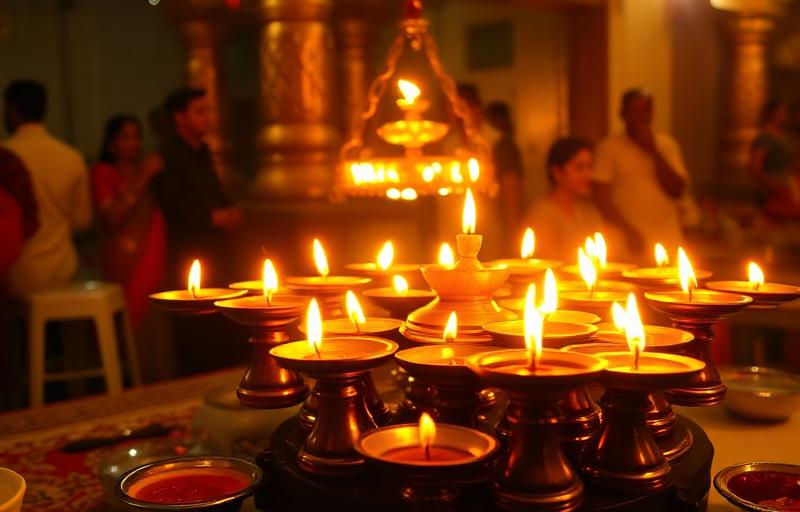
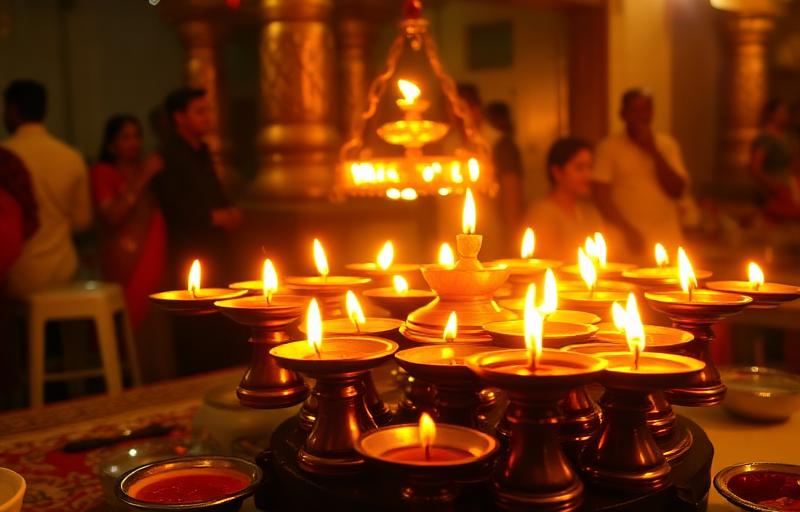
- Keep a small lamp (akhand diya) burning through the vigil if practical and safe, a traditional element that gives the jagran a visible focal point.
- Avoid heavy food before starting, since a full stomach makes staying alert through the night considerably harder; a light phalahar meal earlier in the evening works better than a large dinner.
- Plan for rest afterward. Since Monday is a working day for most devotees, a jagran that runs into the early morning hours should be balanced with rest later, even a short nap, rather than attempting a full workday immediately after a sleepless night.
- Do not feel obligated to complete the entire night the first time. Ending the vigil at 1 or 2 am rather than sunrise, if that is what is sustainable, is a perfectly valid, voluntary practice, not a failed attempt at something mandatory.
Practical Tips for Staying Awake and Focused
For devotees attempting a jagran, whether the full Shivratri version or a shorter Somwar-specific one, a few practical habits make the hours considerably more manageable and spiritually productive rather than simply an exercise in endurance.
- Sit rather than lie down, even during quieter periods of the vigil, since a reclined position makes drowsiness far more likely regardless of intention.
- Alternate activities every 30 to 45 minutes: japa, then a chalisa recitation, then quiet meditation, then perhaps a short devotional song, rather than one continuous activity for hours, which tends to make alertness harder to sustain.
- Keep the space cool and reasonably lit, since a warm, dim room is one of the fastest routes to unintended sleep.
- Involve family or a small group if possible. A jagran kept alone is harder to sustain than one shared with even one or two other people, since conversation, shared chanting and mutual accountability all help maintain wakefulness.
- Avoid heavy reliance on caffeine as the sole strategy. A cup of tea or coffee earlier in the evening is fine, but treating repeated caffeine as a substitute for genuine engagement with the practice tends to produce restlessness rather than the calm alertness a jagran aims for.
- Keep water nearby if not observing a nirjala fast, since mild dehydration itself contributes to fatigue.
- Step outside briefly if drowsiness becomes strong. A few minutes in fresh air, even just a balcony or doorway, resets alertness more effectively than trying to push through indoors.
- Treat drowsiness without self-criticism. If focus genuinely lapses for a while, gently returning to the practice matters more than treating a lapse as spoiling the entire vigil.
These are practical aids, not part of any formal vidhi, but devotees who have kept jagrans consistently over the years tend to rely on exactly this kind of simple structure.
Alternatives If an All-Night Vigil Isn't Realistic
For most devotees, especially those balancing work, family responsibilities or health considerations, a full night jagran, even for Shivratri, let alone an optional Somwar one, simply is not realistic, and tradition offers several genuinely valid alternatives rather than treating a full vigil as the only meaningful option.
- A shortened jagran window. As mentioned earlier, two to four hours of focused practice, particularly in the earlier part of the night, offers much of the intended devotional benefit without requiring a full sleepless night before a working Tuesday.
- An extended evening puja instead of a night vigil. A longer than usual Monday evening session, an hour or more of abhishek, chalisa recitation and meditation, completed before a normal bedtime, is a reasonable substitute for devotees who want to mark a Monday as more significant without an actual overnight commitment.
- A pre-dawn practice instead of a late-night one. Some devotees prefer waking early, during Brahma Muhurat, for an extended puja rather than staying up late, achieving a similar sense of a quiet, dedicated devotional window without disrupting a full night's sleep.
- Listening rather than performing. For devotees who are simply too fatigued to actively chant or read through extended hours, playing recorded Shiv bhajans or a Rudrashtakam recitation softly through part of the night, even while resting, is considered a gentler, still meaningful form of engagement.
- Accepting a standard Somwar puja as complete in itself. It is worth repeating plainly: since a jagran was never required for ordinary Sawan Somwar in the first place, a devotee who simply completes the standard day puja and aarti has not fallen short of anything; there is no unmet expectation to feel apologetic about.
📿 The Vandnaa App includes guided Shiv mantra audio and a Shiv Chalisa track that devotees can play through a shortened jagran or an extended evening puja, useful either way.
Quick Answers
Is a night jagran mandatory for Sawan Somwar vrat?+
No. A night-long vigil is not part of the traditional requirements for an ordinary Sawan Somwar. It is specifically associated with Shivratri, not the weekly Monday vrat.
How is a Somwar jagran different from a Shivratri jagran?+
A Shivratri jagran is a traditionally required, structured overnight vigil with four-phase worship, commemorating specific mythological events. A Somwar jagran, if kept at all, is entirely optional and personal, with no fixed structure required.
Can I do a shorter version of a jagran instead of staying up all night?+
Yes. A focused two to four hour session of japa, chalisa recitation and meditation offers much of the intended benefit without requiring a full sleepless night, especially since Monday is typically a working day.
What should I chant during a Somwar night jagran?+
Om Namah Shivaya on a rudraksha mala, the Shiv Chalisa, the Rudrashtakam, and the Maha Mrityunjaya Mantra are all commonly used, alternated every 30 to 45 minutes to help sustain focus and wakefulness.
Will I lose merit if I fall asleep during a jagran I chose to keep?+
No. Since the jagran itself is voluntary for an ordinary Somwar, falling asleep during one does not carry any penalty. Gently returning to the practice, or simply resting, is entirely acceptable.
About the author
Pandit Mahesh Trivedi · Festival Traditions & Panchang
Pandit Mahesh leads the festival-date and Panchang content on Vandnaa. He cross-references multiple regional panchangs (Drik, Vaishnava, Bengali, Marathi) for every festival date published on the site.
Meet the Vandnaa editorial team →