Can Pregnant Women Keep Sawan Somwar Vrat
The short answer, echoed by most doctors and, notably, by most traditional pandits as well, is: yes, but modified, and only with medical clearance. Hindu scripture itself makes room for this - the concept of aturasya niyamo nasti ('there is no fixed rule for the ill or the vulnerable') is commonly cited by priests to explain why pregnant women, the sick and the elderly are traditionally exempted from the strictest forms of vrat.
Pregnancy places real physiological demands on the body - a growing baby needs a steady, uninterrupted supply of glucose, protein, iron and fluids, and a mother's blood volume, metabolic rate and nutritional needs are all elevated compared to before pregnancy. A nirjala (waterless) fast, of the kind some devotees keep on Sawan Somwar or Shivratri, is not appropriate during pregnancy under almost any circumstance, and most obstetricians advise against it directly.
What this does not mean is that pregnant women must skip Sawan Somwar altogether. The vrat can be honoured in spirit - through puja, mantra, and a modified eating pattern - without the physical strain of true fasting. Many women describe this modified approach as feeling just as spiritually complete as a stricter fast kept in earlier years, simply because intention, not deprivation, is what the practice is fundamentally about.
This guide focuses specifically on how to keep that spirit alive safely: what to eat, how to modify the routine trimester by trimester, and the situations where stepping back from fasting entirely, even in its lightest form, is the right call.
Safe Modifications: Falahar Instead of Nirjala
The single most important modification for pregnant women is replacing any waterless or food-free fast with a falahar (fruit-and-milk based) routine that keeps the body fuelled throughout the day rather than deprived until evening.
A safe falahar pattern for Sawan Somwar during pregnancy:
- Early morning: A glass of milk or coconut water before puja, not on a completely empty stomach.
- Mid-morning: Fresh fruit - banana, apple, pomegranate, or a fruit chaat without salt if avoiding namak, plus soaked almonds or a handful of makhana (roasted fox nuts) for sustained energy.
- Midday: A light meal of sabudana khichdi, kuttu ka paratha, or singhare ke atta ka halwa - starchy falahar options that provide real calories, not just symbolic ones. This is the key difference from a stricter Somwar fast: pregnant women should eat a proper midday meal, not wait until evening.
- Afternoon: Buttermilk, coconut water, or fruit again to maintain hydration and blood sugar.
- Evening: The main falahar meal after puja, similar to what other family members eat, followed by a normal dinner if desired - there is no requirement to limit intake to one meal.
What to avoid regardless of trimester: completely skipping meals, fasting past 4-5 hours without any food, and any restriction on water intake. The traditional idea of falahar as 'light eating throughout the day' rather than 'no eating until evening' is the version that works safely during pregnancy - and it is entirely consistent with tradition, not a compromise of it.
Hydration and Nutrition Guidelines
Water intake is the one area where pregnancy fasting guidance is least flexible: pregnant women should never restrict water, even on the strictest interpretation of any vrat. Dehydration in pregnancy is linked to reduced amniotic fluid, contractions, and in more serious cases, complications that are entirely avoidable by simply drinking enough water through the day.
Practical hydration targets:
- Aim for 8-10 glasses of fluid across the day, spread out rather than consumed all at once - water, coconut water, buttermilk (chaas), and fresh fruit juice without added sugar all count.
- Keep a bottle nearby during puja itself; there is no tradition that requires abstaining from water during the ritual portion of Sawan Somwar.
- Watch for early signs of dehydration - dizziness, dark urine, headache, unusually low fetal movement - and treat any of these as a signal to eat and drink immediately, not push through.
Nutrition priorities during a modified vrat day:
- Iron: Pregnancy significantly increases iron needs; falahar options like dates, pomegranate, and fortified nut mixes help offset a day with fewer iron-rich grains.
- Protein: Milk, curd, paneer (if part of your falahar tradition), and nuts help meet protein needs that a grain-free day would otherwise reduce.
- Calories: Pregnant women, particularly in the second and third trimesters, need roughly 300-450 additional calories a day over pre-pregnancy needs - falahar should be generous, not minimal, even while technically 'fasting.'
If you are managing any pregnancy-specific condition such as anaemia or gestational diabetes, share your Sawan Somwar plans with your obstetrician before the month begins so they can flag any needed adjustments in advance.
Trimester-by-Trimester Guidance
Pregnancy is not a single uniform state, and the right approach to Sawan Somwar changes meaningfully across its three trimesters.
First trimester (weeks 1-12): This is often the most delicate period for fasting, ironically because it is also when many women experience nausea and low appetite, making even a modified falahar routine feel difficult. If morning sickness is significant, prioritise eating whatever small, frequent amounts you can tolerate over sticking to a specific falahar menu - even a few dry biscuits with water counts as honouring the intention. Puja and mantra chanting can carry the full spiritual weight of the day if eating is genuinely difficult.
Second trimester (weeks 13-27): This is typically the most stable window, and many women find a modified falahar day quite manageable here, provided meals stay regular and hydration stays high. This is a reasonable trimester to keep a fuller version of the modified vrat described in this guide, including the midday falahar meal and full puja.
Third trimester (weeks 28-40): Energy demands rise again as the baby grows rapidly, and many women experience heartburn, reduced stomach capacity, and higher fatigue. Smaller, more frequent meals work better than the standard three-part falahar structure - consider 5-6 small servings through the day instead. Standing for a long puja can also cause discomfort, so a seated puja is entirely acceptable.
Across all trimesters: any bleeding, unusual pain, reduced fetal movement, or feeling faint means stopping the fast immediately and seeking medical attention - no ritual consideration overrides this.
A Simplified Puja That Still Honours the Vrat
A pregnant woman's puja does not need to match the length or physical demands of a puja kept in other years - a shortened, seated ritual carries the same spiritual weight when done with genuine devotion.
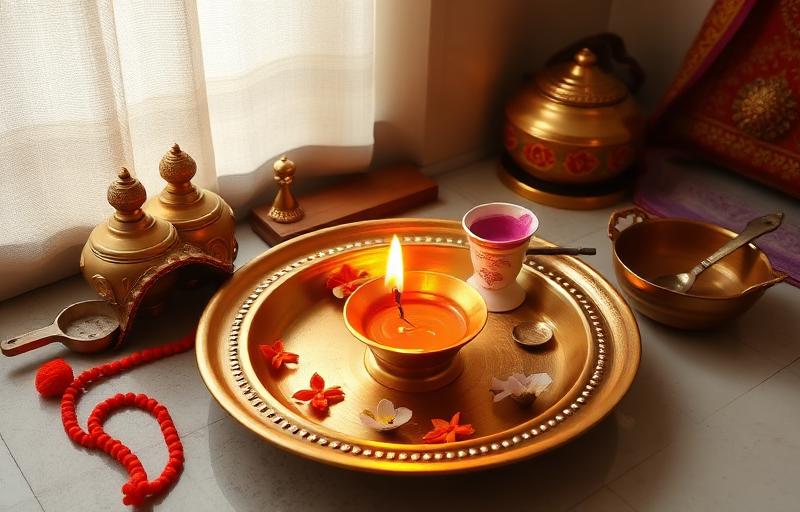
A realistic 15-20 minute version: 1. Bathe and dress in clean clothes; standing for long periods should be avoided, so keep the puja area within easy, comfortable reach. 2. Sit (rather than kneel or stand) in front of a Shivling, photo, or idol at home. 3. Offer water and a small amount of milk with a spoon or small vessel rather than a heavy lota, to avoid strain. 4. Light a diya and offer bel patra and flowers. 5. Chant 'Om Namah Shivaya' 11 or 21 times rather than a full 108 if fatigue is a factor - the number matters far less than the sincerity behind it. 6. Close with a short prayer specifically for the health of both mother and baby; many women use this time to recite the Mahamrityunjaya mantra softly a few times, traditionally associated with protection and wellbeing, though it is not exclusive to any single life stage.
If even this feels like too much on a difficult day, silently repeating 'Om Namah Shivaya' while resting, without any formal puja setup at all, is considered entirely valid. Devotion during pregnancy is measured by intention, not by the elaborateness of ritual.
🙏 The Vandnaa App includes a guided audio puja you can simply listen to while seated, ideal for days when standing through a full ritual is not comfortable.
When to Skip the Fast Entirely
There are specific situations where even a modified, falahar-based fast is not appropriate, and tradition itself, when correctly understood, does not ask anyone to override medical need for ritual observance.
Skip fasting entirely if you have:
- Gestational diabetes - blood sugar needs to stay stable through regular, balanced meals; skipping or delaying meals can cause dangerous fluctuations.
- Low blood pressure or a history of fainting - fasting can worsen dizziness and fainting risk, which carries fall-related danger during pregnancy.
- A high-risk pregnancy - including any diagnosis involving placental issues, preterm labour risk, or multiple babies (twins/triplets) - where energy and nutrient needs are elevated further.
- Severe morning sickness (hyperemesis gravidarum) - a condition where even normal eating is difficult; fasting on top of this is not advisable under any circumstance.
- Your doctor has specifically advised against fasting - this instruction should always override tradition, not the other way around.
A respectful reframe: choosing not to fast during a medically sensitive pregnancy is not a lesser or incomplete form of devotion. Puja, mantra japa, listening to the Shiv Chalisa, or simply setting aside a few quiet minutes for gratitude and prayer each Sawan Somwar carries full spiritual value on its own, entirely separate from food restriction. Many priests explicitly recommend this framing to pregnant women who feel guilty about not fasting - the guilt itself is unnecessary, since the tradition was never meant to endanger the person observing it or the life she is carrying.
What People Ask Most
Is it safe to fast during pregnancy for Sawan Somwar?+
A modified falahar-based fast is generally considered acceptable in healthy pregnancies with a doctor's clearance, but a nirjala (waterless) or food-free fast is not recommended during pregnancy under almost any circumstance.
What should pregnant women eat during a modified Sawan Somwar vrat?+
A midday falahar meal like sabudana khichdi or kuttu paratha, plus regular fruit, milk, nuts and fluids through the day - not just a single evening meal as in a standard fast.
Which trimester needs the most caution with fasting?+
The first trimester, due to nausea and low appetite, and the third trimester, due to rising energy needs and reduced stomach capacity, both need extra caution compared to the relatively stable second trimester.
Should women with gestational diabetes or low blood pressure fast?+
No. These conditions need stable, regular meals and fluid intake, and fasting, even a modified one, is generally not recommended. A doctor's specific guidance should always take priority over ritual observance.
Can I honour Sawan Somwar without fasting at all during pregnancy?+
Yes. Puja, mantra japa, and listening to the Shiv Chalisa carry full spiritual value on their own. Skipping food restriction during a medically sensitive pregnancy is not considered a lesser form of devotion.
What are warning signs to stop fasting immediately during pregnancy?+
Dizziness, fainting, reduced fetal movement, unusual pain, or bleeding are all signs to break the fast immediately, eat and drink, and contact your doctor without delay.
About the author
Pandit Mahesh Trivedi · Festival Traditions & Panchang
Pandit Mahesh leads the festival-date and Panchang content on Vandnaa. He cross-references multiple regional panchangs (Drik, Vaishnava, Bengali, Marathi) for every festival date published on the site.
Meet the Vandnaa editorial team →