
What Makes Bhasma Aarti Unique Among All Twelve Jyotirlingas
Mahakaleshwar in Ujjain is the only one of the twelve Jyotirlingas where Bhasma Aarti, the offering of sacred ash directly to the lingam, is performed as a daily pre-dawn ritual, typically beginning somewhere between 4:00 and 6:00 AM depending on the season. The word Mahakal itself, meaning the great lord of time and, by extension, of death, gives the ritual its particular symbolic weight: the ash offered is a reminder that all things, ultimately, return to ash, and that Shiva as Mahakal presides over that inevitability rather than being subject to it.
The tradition behind the ash itself has evolved. Historically, accounts describe the bhasma used in this ritual as coming from a nearby cremation ground, a practice tied to Mahakal's association with death and impermanence. In the present day, for practical, hygienic and regulatory reasons, the temple administration uses a prepared, regulated substitute ash, commonly derived from dried cow dung cakes burned specifically for this purpose, rather than actual cremation ash, while preserving the ritual's original symbolic meaning.
The aarti itself is a striking visual and sensory experience: priests circle the lingam applying the ash in stages, accompanied by the temple's conch shells, bells and hymns, in a dim, smoke-filled sanctum that feels markedly different from a typical daytime darshan elsewhere. For many pilgrims, witnessing this ritual once is treated as a distinct, separate pilgrimage goal from simply visiting Ujjain, which is exactly why demand for a place inside the sanctum during this aarti climbs so sharply every single Sawan.
Why Sawan Sees the Highest Demand of the Entire Year
Bhasma Aarti has a limited daily capacity, since the sanctum where it takes place can only comfortably and safely accommodate a fixed number of devotees at a time, and this hard limit is precisely what turns an already-popular ritual into one of the most difficult darshans to secure during Sawan specifically.
Several factors stack together during this month:
- Ujjain itself becomes one of the most heavily visited Shiva pilgrimage destinations in the country during Sawan, pulling in devotees who might visit Mahakaleshwar only once a year, specifically choosing this month
- The four Sawan Mondays (3, 10, 17 and 24 August 2026) see demand spike even further above the already-elevated Sawan baseline, as Monday is Shiva's day throughout the year
- Sawan Shivratri (Tuesday, 11 August 2026) compounds this further, being both a Sawan Monday-adjacent high-devotion period and a Shivratri simultaneously in terms of spiritual weight, even though it falls on a Tuesday in 2026
- Many pilgrims specifically plan a Sawan trip around witnessing this exact ritual, rather than treating it as one option among several temple activities, meaning demand is concentrated rather than spread evenly across visitors
The practical consequence is that permits or booking slots for Bhasma Aarti during Sawan, and especially on the four Mondays, are typically exhausted well in advance of the date itself, sometimes days or weeks ahead depending on how far out the temple's booking window opens that year. Waiting until arrival in Ujjain to try securing a slot during Sawan is, realistically, the least reliable approach.
How the Booking Process Generally Works
The Shri Mahakaleshwar temple management operates a structured permission system for Bhasma Aarti entry rather than an open, first-come queue, and understanding the general shape of this process helps enormously even though exact fees, portal names and quota numbers are updated periodically by the temple committee.
The general process typically involves:
- Online advance booking through the temple's official booking channel, which usually opens a set number of days ahead of the date and allocates a limited number of slots per day across different entry categories
- Offline counter booking in Ujjain itself for any remaining quota, though during Sawan this route is far less reliable since online slots typically fill first
- Separate categories sometimes exist for general entry, a paid special or VIP protocol entry, and small additional allocations, with pricing and exact terms subject to periodic revision by the temple trust
- A valid photo ID is generally required at the time of booking and again at physical entry, so carrying original identification, not just a photograph of it, is essential
The single most important piece of practical advice: because exact booking windows, fees and portals are updated by the temple administration from time to time, check the official Shri Mahakaleshwar temple website or its verified booking channel as close to your travel date as possible, rather than relying on older articles or word of mouth, and book the moment your travel dates are confirmed rather than waiting, especially for any Sawan Monday.
What to Expect Inside: Dress Code and Sanctum Rules
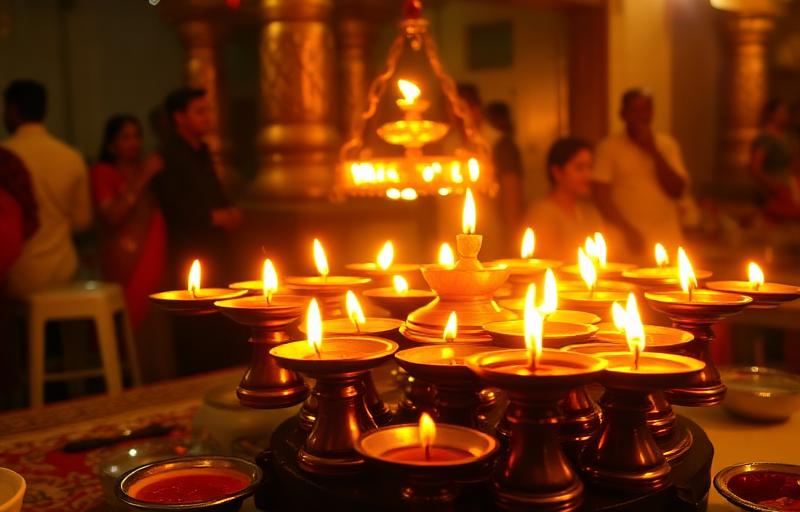
Bhasma Aarti has specific, fairly strictly enforced conduct rules once you are inside, rooted in both tradition and practical crowd management within a relatively small sanctum space.
- Dress code for men: Traditional dhoti is generally required for men who wish to stand closest to the lingam during the ash offering itself, with shirts removed as part of the customary attire in that inner section; this is applied consistently regardless of the visitor's background.
- Dress code for women: Traditional attire such as a saree or salwar kameez is expected, and women are generally seated or positioned slightly further from the immediate ash-offering zone during parts of the ritual as per temple custom.
- Photography and phones: Cameras and mobile phones are generally not allowed inside the sanctum during the aarti; visitors should expect to experience the ritual directly rather than through a screen, and any personal electronics are typically deposited at a locker facility beforehand.
- Physical positioning: Because the space is compact and the ritual involves priests moving around the lingam in sequence, staying seated or standing in your allocated spot rather than moving around during the ceremony is both expected etiquette and a practical safety matter.
- Duration: The full aarti typically runs a little over an hour from start to close, so a degree of physical patience, especially standing or sitting in one place in a crowded, warm sanctum, is part of the experience.
Arriving with these expectations set in advance, rather than discovering them at the entrance, makes the transition into the ritual considerably smoother.
Practical Tips for First-Time Visitors
A first Bhasma Aarti visit during Sawan goes far more smoothly with a handful of practical preparations.
- Arrive at least an hour before the aarti's scheduled start, ideally closer to 2:30 or 3:00 AM for a roughly 4:00 AM aarti, since security screening, locker deposit and settling into position all take time, and this buffer shrinks considerably during Sawan's heavier crowds.
- Book accommodation in Ujjain itself rather than a nearby town if attending a pre-dawn aarti, since travelling in from further away in the middle of the night adds both time pressure and safety concerns.
- Carry only the essentials in a small bag; anything not permitted inside will need to be deposited at a locker, and a lighter load moves through security screening faster.
- If Bhasma Aarti slots are fully booked for your travel dates, the temple still holds regular daytime and evening aartis and darshan hours that remain deeply meaningful even without the pre-dawn ash ritual; during especially high-demand periods like Sawan, some temples also add extra darshan arrangements, so checking with temple authorities on arrival is worthwhile rather than assuming the visit is not possible at all.
- Combine the early start with the rest of the day thoughtfully, since a 3:00 AM start means most visitors will want a rest period back at their accommodation before continuing to sightsee elsewhere in Ujjain.
🔱 The Vandnaa App's 2026 calendar highlights Sawan Shivratri and all four Sawan Mondays, useful for deciding well in advance which date to target for a Mahakaleshwar Bhasma Aarti booking attempt.
After the Aarti: What Else to See in Ujjain
Ujjain offers a full day's worth of meaningful sites for pilgrims who have already made the early-morning effort for Bhasma Aarti and want to make the most of the rest of their visit.
- Kal Bhairav Temple: A short distance from Mahakaleshwar, this temple is dedicated to a fierce protective form of Shiva and is known for a distinctive local custom of offering liquor to the deity, considered a form of prasad in this specific tradition; it is a genuinely different devotional atmosphere from the main Jyotirlinga temple and worth the short trip for the contrast alone.
- Shipra Ghat: The riverbank along the Shipra river, Ujjain's own sacred river and one of the sites of the Simhastha Kumbh Mela, offers a quieter, reflective spot for a morning or evening walk after the intensity of Bhasma Aarti.
- Ram Ghat: Another significant riverside spot in the city, often included in the same walking circuit as Shipra Ghat, with its own evening aarti tradition on the water.
- Rest and pacing: Given the 3:00 AM start most Bhasma Aarti visits require, building in a mid-morning rest window before continuing to these other sites tends to make for a far more enjoyable full day than trying to power through non-stop sightseeing on very little sleep.
Treating the Bhasma Aarti as the anchor of the trip, with everything else built loosely around it rather than tightly scheduled, generally produces the most satisfying overall Ujjain visit during Sawan.
Common Questions From Devotees
How far in advance should I book Bhasma Aarti tickets for a Sawan Monday in 2026?+
As early as your official booking channel allows, ideally the moment your travel dates are confirmed. Slots for Sawan Mondays are among the most sought-after of the entire year and typically fill up well before the date, so waiting until close to your travel date significantly reduces your chances.
What is the actual ash used in Bhasma Aarti today?+
While historical accounts describe cremation ground ash, the temple administration today uses a prepared, regulated substitute, commonly derived from dried cow dung cakes burned specifically for the ritual, for practical and hygienic reasons, while preserving the ceremony's original symbolic meaning tied to impermanence.
Can women attend Bhasma Aarti at Mahakaleshwar?+
Yes, women are welcome to attend Bhasma Aarti. Traditional attire such as a saree or salwar kameez is expected, and as per temple custom, women are generally positioned slightly further from the immediate ash-offering zone during certain parts of the ritual compared to men in traditional dhoti closest to the lingam.
What happens if I could not get a Bhasma Aarti booking for my Sawan dates?+
The temple continues to hold its regular daytime and evening aartis and darshan hours, which remain fully meaningful even without the pre-dawn ash ritual. Checking with temple authorities on arrival about any additional slots or waitlist options, especially during high-demand periods like Sawan, is also worth doing rather than assuming a visit is impossible.
Is Bhasma Aarti held every single day, or only during Sawan?+
Bhasma Aarti is a daily ritual performed year-round at Mahakaleshwar, not something exclusive to Sawan. What changes during Sawan is the level of demand for a place inside the sanctum, which rises to its highest point of the year, making advance booking especially important during this specific month.
About the author
Acharya Vinaya Kapoor · M.A. Sanskrit, Mantra & Stotra Studies
Acharya Vinaya holds an M.A. in Sanskrit from Banaras Hindu University and writes the mantra and stotra commentary on Vandnaa. Her focus is on accurate pronunciation, traditional context, and helping modern readers connect with classical texts.
Meet the Vandnaa editorial team →