Who is Shakambhari Mata
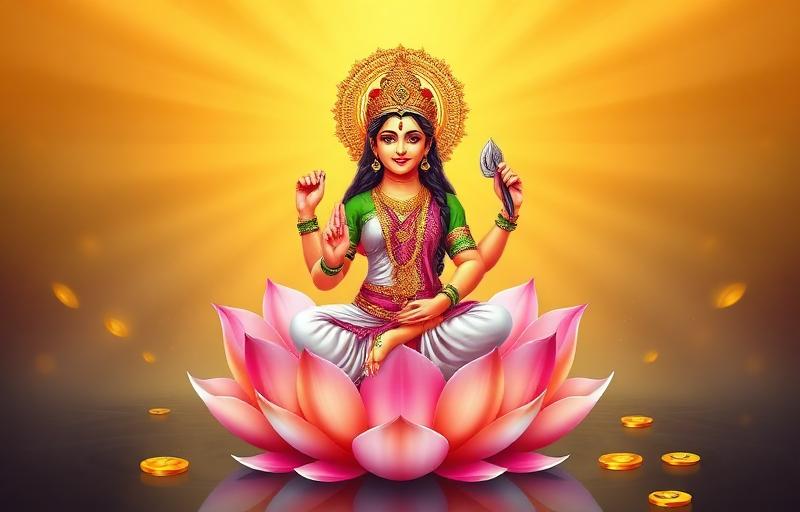
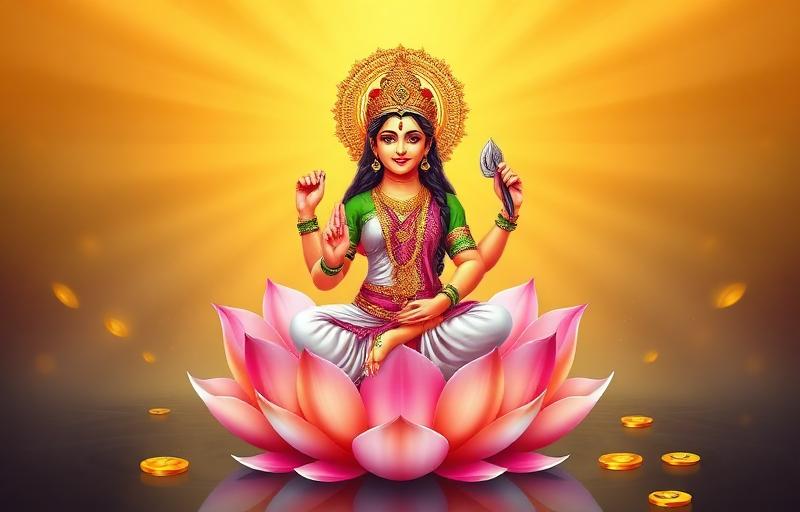
Near the shimmering expanse of Sambhar Lake, Rajasthan's largest salt lake, stands the Shakambhari Mata Temple, dedicated to a form of the Divine Mother deeply connected with vegetation, grain and the sustenance of life. The name Shakambhari itself means 'the one who bears vegetables and herbs', a form of Durga worshipped as the nourisher of all living beings.
For farming communities of this region, Shakambhari Mata is not a distant deity but the very source of the harvest they depend on.
The Katha of the Famine
According to the Devi Mahatmya, when the earth once suffered a prolonged famine and all living beings faced starvation, the Divine Mother took the form of Shakambhari and, out of boundless compassion, produced vegetables, fruits and herbs from her own body to nourish every creature until the rains returned and abundance was restored.
This katha is remembered by devotees as one of the most tender expressions of the Mother Goddess's love, a reminder that she sustains the world not through conquest alone, but through nourishment and care.
Significance and What Devotees Pray For
Devotees pray to Shakambhari Mata for good harvests, abundance in the home, and freedom from hunger and want. Farmers of the region especially hold her close to their hearts, offering the first produce of their fields at her shrine in gratitude.
Her worship is a reminder to all devotees that dependence on the earth's bounty is itself sacred, and that gratitude for food and sustenance is one of the simplest yet deepest forms of devotion.
Darshan Guide and Shakambhari Navratri
The temple observes the general pattern of Devi worship, with morning and evening aarti and a steady flow of devotees, particularly from the farming communities of the Sambhar region. Shakambhari Navratri, observed by many devotees around Magha Purnima, holds special significance for this form of the goddess and is marked with particular devotion here.
The temple's proximity to Sambhar Lake also makes it a stop for travellers drawn to the lake's vast salt flats and migratory bird season.
How to Reach Sambhar
The Shakambhari Mata Temple is located near Sambhar Lake, roughly midway between Jaipur and Ajmer in Rajasthan. Sambhar has its own railway station, and the nearest airport is at Jaipur, making the temple accessible as part of a day trip from either city.
Many visitors combine their darshan with a visit to the salt lake itself, one of the most striking natural landscapes in Rajasthan.
Mantra to Chant and the Takeaway
Devotees chant in reverence to Shakambhari Mata:
"Om Shakambharyai Namah" Meaning: "Salutations to the Mother who bears and nourishes vegetation and life."
The story of Shakambhari reminds devotees that the Divine Mother's love reaches its fullest expression in nourishment and care for every hungry being. Worship here is an act of faith and love, not a transaction, offered as simply and sincerely as a farmer's first harvest.
Quick Answers
What does the name Shakambhari mean?+
It means 'the one who bears vegetables and herbs', referring to the goddess's role in the Devi Mahatmya of nourishing the world during a great famine.
Why do farmers especially revere Shakambhari Mata?+
She is seen as the goddess of harvest and vegetation, and farmers offer the first produce of their fields at her shrine as an act of gratitude.
When is Shakambhari Navratri observed?+
It is observed by devotees around Magha Purnima and holds special significance for this form of the goddess.
About the author
Pandit Mahesh Trivedi · Festival Traditions & Panchang
Pandit Mahesh leads the festival-date and Panchang content on Vandnaa. He cross-references multiple regional panchangs (Drik, Vaishnava, Bengali, Marathi) for every festival date published on the site.
Meet the Vandnaa editorial team →