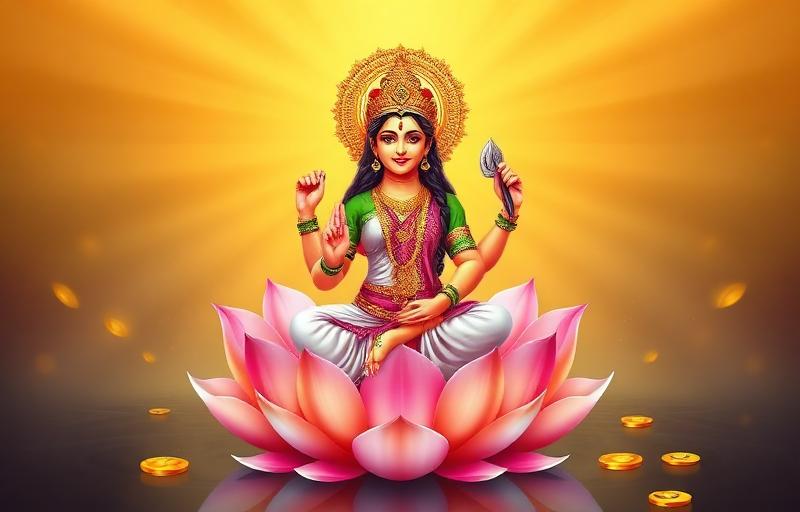
Significance of the Shankh
The shankh (conch) is sacred in Sanatan Dharma and is held by Lord Vishnu in one of his four hands. It is also closely linked to Goddess Lakshmi, as both the shankh and the goddess arose from the Samudra Manthan (churning of the ocean).
Blowing the shankh is believed to purify the surroundings with its sound (the sound of Om), clear negativity and announce the start of worship. Keeping a shankh at home is considered auspicious for peace, positivity and the blessings of Vishnu and Lakshmi. Treat these beliefs as traditional faith, observed with devotion.
Types of Shankh
There are two main types kept at home:
- Dakshinavarti Shankh (right-coiled): Its opening curls to the right. It is rare and considered very auspicious, associated with Goddess Lakshmi and wealth. It is not blown, but kept in the puja place and worshipped.
- Vamavarti Shankh (left-coiled): Its opening curls to the left. This is the common type used for blowing during aarti and puja. Most shankhs used in daily worship are vamavarti.
Other honoured forms include the Ganesha shankh and Gaumukhi shankh. A simple rule: a shankh meant for blowing and a shankh meant for worship (especially Dakshinavarti) are usually kept separate.
Where to Place the Shankh (Vastu)
- Direction: Keep the shankh in the north-east (Ishan kona), the most sacred corner, or in your puja place near the deities.
- On a clean base: Place it on a clean red or yellow cloth, ideally on a small plate or stand, never directly on the bare floor.
- With water: A Dakshinavarti shankh is often kept facing upward and filled with water; this water is sprinkled at home as a blessing.
- Facing the deity: Position the shankh so its opening faces upward or toward the deity, not toward the floor.
- Keep it clean: Wash the shankh with clean water regularly and handle it with washed hands and devotion.
Do's and Don'ts
Do:
- Keep the shankh clean and on a sacred cloth or stand.
- Blow the vamavarti shankh before and after aarti to purify the space.
- Worship the Dakshinavarti shankh with Lakshmi during Diwali and on Fridays.
Avoid:
- Keeping more than one shankh of the same type for blowing - one blowing shankh is generally suggested.
- Using the same shankh both for blowing and for offering water on the deity; keep these uses separate.
- Placing the shankh on the bare floor or in an unclean spot.
- Keeping a broken or cracked shankh in the puja place - respectfully release it in flowing water and replace it.
These are traditional guidelines followed with faith. Devotion and cleanliness matter more than strict perfection.
Quick Answers
Can we keep a shankh at home?+
Yes. Keeping a shankh at home is considered auspicious and is linked to Lord Vishnu and Goddess Lakshmi. Keep it clean, in the puja place or north-east corner, on a sacred cloth or stand, and worship it with devotion.
What is the difference between Dakshinavarti and Vamavarti shankh?+
A Dakshinavarti shankh coils to the right, is rare, linked to Lakshmi and wealth, and is worshipped rather than blown. A Vamavarti shankh coils to the left and is the common type used for blowing during aarti and puja.
Which direction should the shankh face at home?+
Keep the shankh in the north-east (Ishan) corner or the puja place, with its opening facing upward or toward the deity, never toward the floor. Place it on a clean red or yellow cloth or a stand.
Should the same shankh be used for blowing and for puja water?+
Traditionally these uses are kept separate. A vamavarti shankh used for blowing is generally not used to offer water on the deity. Many keep one shankh for blowing and a Dakshinavarti shankh for worship and water.
About the author
Dr. Suresh Iyer · Vastu Shastra & Jyotish, 18+ years
Dr. Suresh has practiced traditional Vastu and basic Vedic Jyotish for over 18 years across South India. He contributes the Vastu, direction, and home-puja layout guides on Vandnaa.
Meet the Vandnaa editorial team →