What Is Shri Suktam?
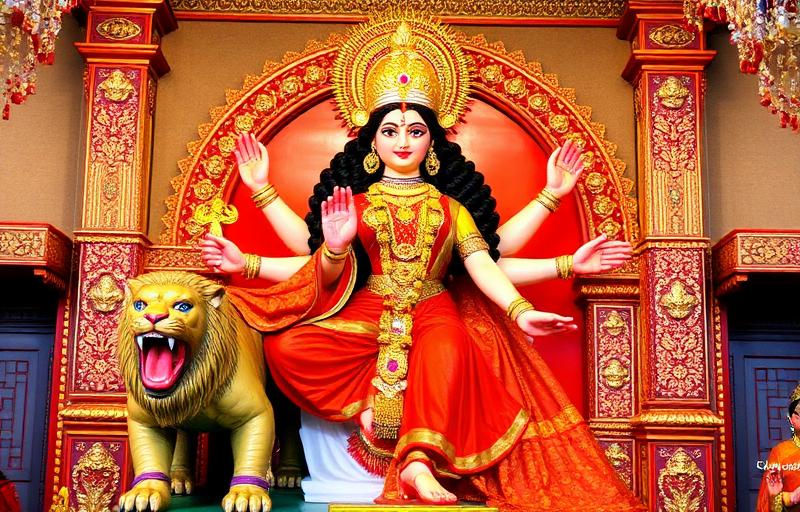
Shri Suktam (also written Sri Suktam) is one of the most revered hymns to Goddess Mahalakshmi, the deity of wealth, abundance and auspiciousness. It is an ancient hymn appended to the Rigveda (the khila portion) and is chanted across India to invoke prosperity in its fullest sense - not only money, but health, grain, cattle, fame, beauty and spiritual richness.
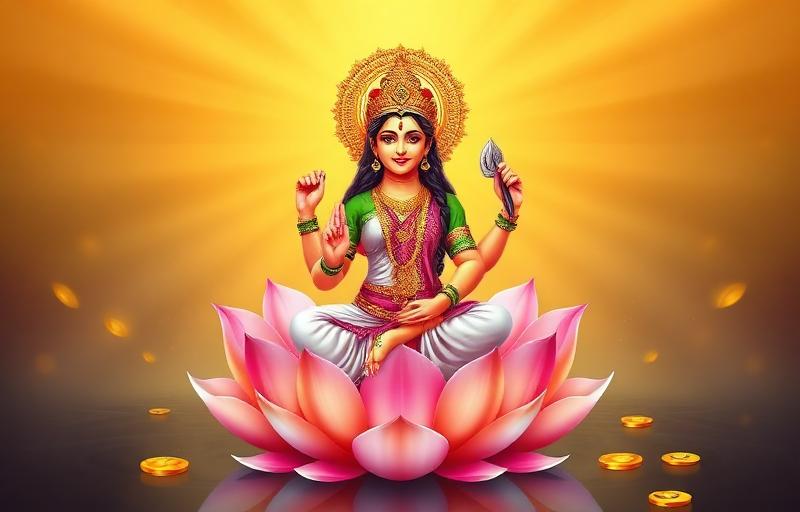
The hymn addresses Lakshmi as Shri - the radiant power of fortune - and calls upon Agni, the fire god, to summon her presence. Each verse paints her as golden, lotus-seated and ever-giving. Because it is a Vedic text, Shri Suktam is held in special esteem and is a core part of Lakshmi puja, Diwali, Navaratri and Friday worship.
Opening Verses with Meaning
Verse 1:
हिरण्यवर्णां हरिणीं सुवर्णरजतस्रजाम्। चन्द्रां हिरण्मयीं लक्ष्मीं जातवेदो म आ वह॥
Hiranya-varnam harinim suvarna-rajata-srajam, Chandram hiranmayim lakshmim jatavedo ma a vaha.
Meaning: O Agni (Jatavedas), summon for me that Lakshmi who is golden-hued, adorned with garlands of gold and silver, radiant like the moon and shining like gold.
Verse 2:
तां म आ वह जातवेदो लक्ष्मीमनपगामिनीम्। यस्यां हिरण्यं विन्देयं गामश्वं पुरुषानहम्॥
Tam ma a vaha jatavedo lakshmim anapagaminim, Yasyam hiranyam vindeyam gam ashvam purushan aham.
Meaning: O Agni, bring to me that Lakshmi who never departs, by whose grace I may obtain gold, cattle, horses and family.
A beloved later verse:
ॐ श्रीर्वर्चस्वमायुष्यमारोग्यमाविधात् पवमानं महीयते। धनं धान्यं पशुं बहुपुत्रलाभं शतसंवत्सरं दीर्घमायुः॥
Meaning: May the goddess grant splendour, long life, health, wealth, grain, cattle, the blessing of children and a long life of a hundred years.
Benefits of Chanting Shri Suktam
- Wealth and prosperity: It is the foremost Vedic prayer to draw Lakshmi's grace for steady, righteous wealth.
- Removal of Alakshmi: A key verse asks the goddess to drive away poverty, misfortune and inauspiciousness (Alakshmi) from the home.
- Health and long life: The hymn explicitly seeks arogya (good health) and a long, full life.
- Abundance beyond money: It blesses grain, cattle, children, fame, beauty and contentment - a complete idea of prosperity.
- Spiritual richness: Lakshmi here is not only material; she is auspiciousness itself, purifying the mind and inviting satvik fortune.
Regular recitation is believed to bring stability to finances, harmony at home and a sense of gratitude that keeps wealth from being misused.
How to Chant Shri Suktam (Vidhi)
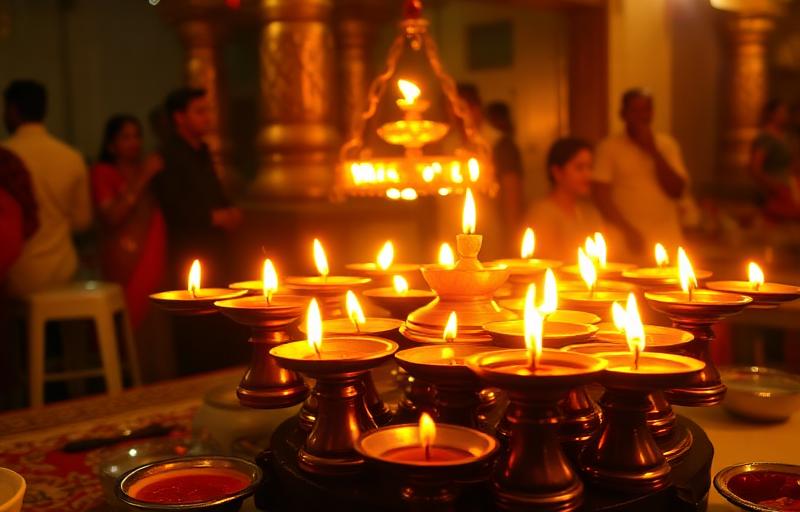
1. Time: Early morning after bath, or on Fridays, Diwali and during Navaratri. Dawn and dusk are ideal. 2. Seat and direction: Sit on a clean asan facing east or north before an image of Mahalakshmi. 3. Setup: Light a ghee lamp, offer red or lotus flowers, kumkum and a little kheer or sweets. A clean, calm space pleases the goddess. 4. Sankalp: Take a moment of resolve, seeking not just riches but the grace to use them well. 5. Recitation: Chant the verses clearly and with feeling. Traditionally it is recited along with offerings of dhoop or while performing a homa with each verse. 6. Frequency: Daily once is excellent; many recite it 3 or 9 times on Fridays. Conclude with Lakshmi aarti and share prasad.
Accuracy of pronunciation matters in Vedic chanting, so learning from an audio guide or a teacher is recommended.
Common Questions From Devotees
What is Shri Suktam for?+
Shri Suktam is a Vedic hymn to Goddess Mahalakshmi to invoke prosperity in its fullest sense - wealth, grain, health, children, fame and auspiciousness - and to drive away poverty and misfortune.
Is Shri Suktam from the Vedas?+
Yes. Shri Suktam is an ancient hymn appended to the Rigveda (its khila or supplementary portion), which is why it is held in special Vedic esteem and chanted in formal Lakshmi worship.
When should Shri Suktam be chanted?+
It is best chanted early morning after bath, and especially on Fridays, during Navaratri and on Diwali. Dawn and dusk are considered the most auspicious times for Lakshmi worship.
Who is the Lakshmi described in Shri Suktam?+
She is Shri-Mahalakshmi, described as golden-hued, moon-radiant, lotus-seated and adorned with gold and silver. The hymn calls Agni to summon her as the ever-present giver of fortune.
About the author
Acharya Vinaya Kapoor · M.A. Sanskrit, Mantra & Stotra Studies
Acharya Vinaya holds an M.A. in Sanskrit from Banaras Hindu University and writes the mantra and stotra commentary on Vandnaa. Her focus is on accurate pronunciation, traditional context, and helping modern readers connect with classical texts.
Meet the Vandnaa editorial team →