The Common Misconception
Within the Trimurti, the trio of Brahma, Vishnu and Shiva, Shiva is often simply labelled "the destroyer," placed alongside Brahma the creator and Vishnu the preserver. Taken at face value, this description can leave newcomers to Hindu tradition with the impression that Shiva represents something negative or fearsome.
Devotees, however, understand this label as an incomplete shorthand. Shiva's role in dissolution is regarded as a necessary and even compassionate part of the universal order, not an act of malice or ruin for its own sake.
What 'Destruction' Actually Means
The Sanskrit term most associated with Shiva's role is Samhara, often translated as destruction but more accurately understood as dissolution or withdrawal. Tradition describes the universe as moving through endless cycles of creation, preservation and dissolution, known as Srishti, Sthiti and Samhara, with Shiva's role marking the necessary close of one cycle before the next can begin.
Much as sleep restores the body before a new day, or as an old structure must sometimes be cleared before something better can be built, Samhara is regarded as a stage of renewal rather than a final end.
Shiva's Role Beyond Destruction
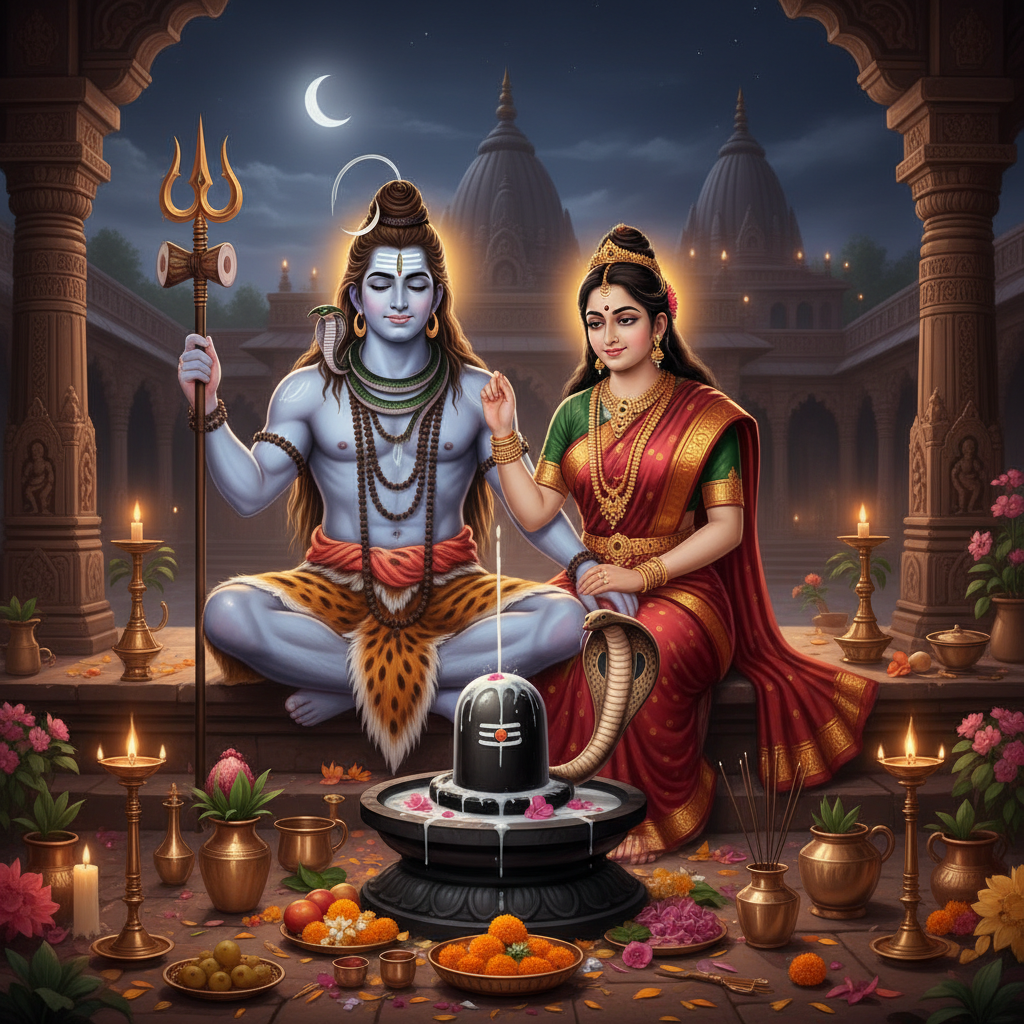
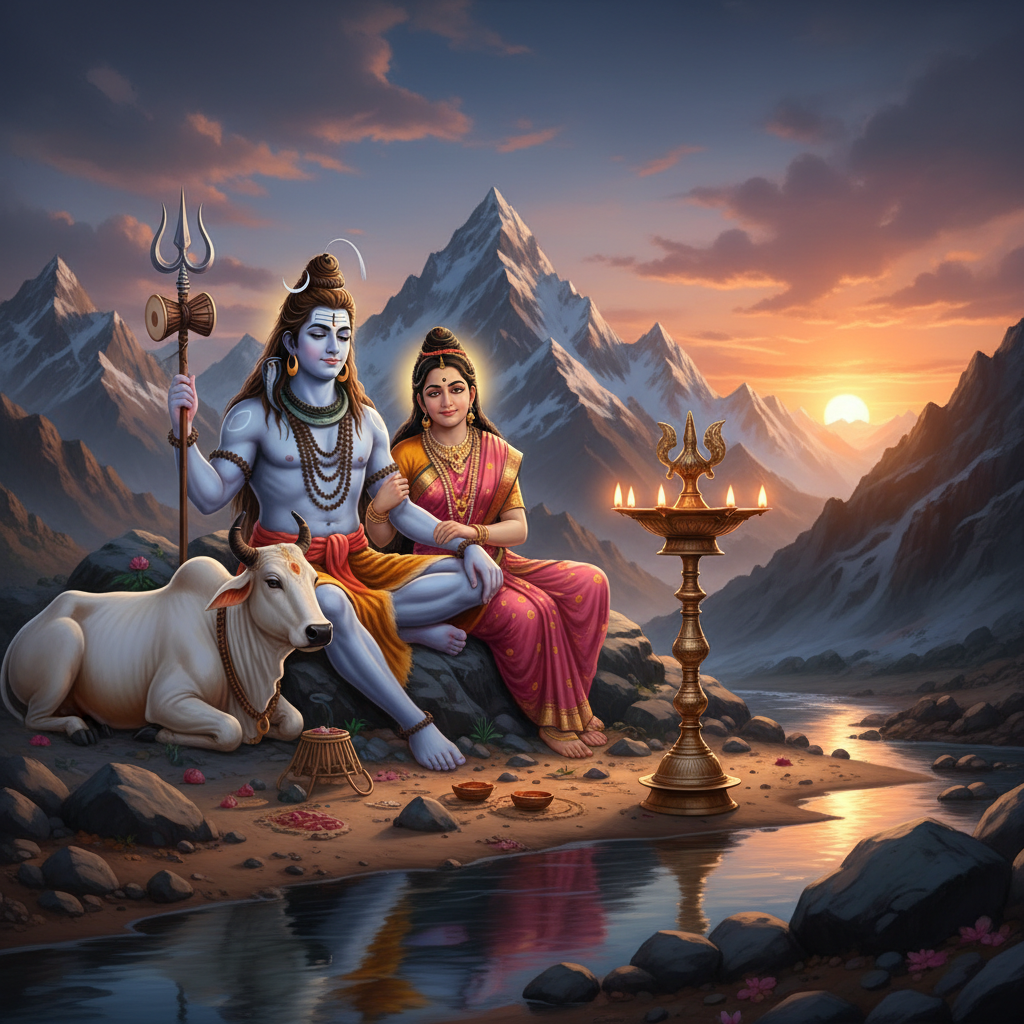
Shiva's own name is said to mean "the auspicious one," a title at odds with any purely destructive character. He is worshipped as Adiyogi, the first yogi, as a devoted husband to Parvati, and as Bholenath, the innocent and easily pleased lord, dimensions that reveal a deity of profound compassion, discipline and simplicity.
Devotees hold that focusing only on Shiva's dissolving aspect misses the fuller picture, one that includes his roles as teacher, protector, ascetic and loving family figure.
How Devotees Understand This Aspect
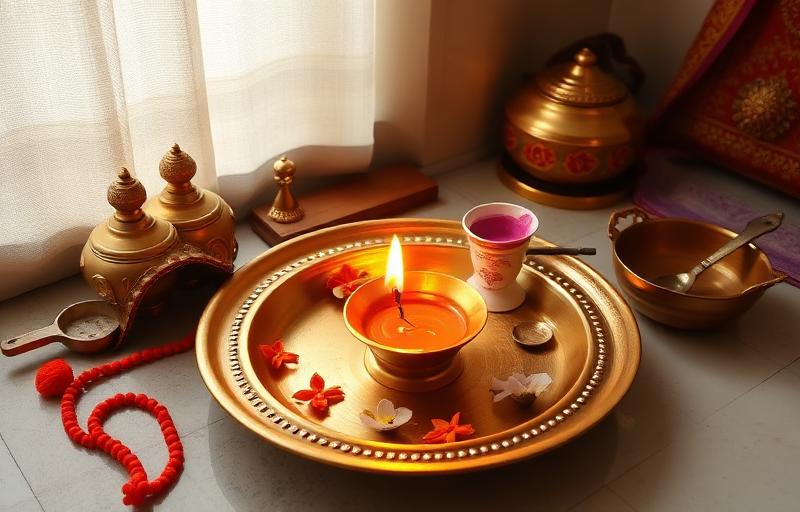
For devotees, Shiva's true 'destruction' is understood to occur within, the dissolving of ego, ignorance and attachment that block spiritual growth. This inner reading is emphasized especially during Maha Shivratri, when devotees chant Om Namah Shivaya not out of fear, but seeking the clearing away of what no longer serves them.
Seen this way, Shiva's association with endings becomes a source of comfort rather than dread, a reminder that letting go is often the beginning of something renewed.
A Practical Takeaway
The lesson devotees draw from this misconception is that endings, whether small daily changes or larger life transitions, are not to be feared but understood as part of a natural, necessary rhythm. Just as Shiva's dissolution makes way for renewal, letting go of what no longer serves us can open space for growth.
Understanding Shiva in this fuller light is an act of faith and love, not a transaction, inviting devotees to see change as sacred rather than something to dread.
Frequently Asked Questions
Is Shiva only a god of destruction?+
No, tradition regards Shiva's role in dissolution as one part of a larger, compassionate cosmic function, alongside his roles as ascetic, teacher and devoted family figure.
What does Samhara actually mean?+
Samhara refers to the dissolution or withdrawal stage of the cosmic cycle, understood as necessary renewal rather than final destruction.
Why does Shiva's name mean 'auspicious' if he is called the destroyer?+
Shiva's name meaning 'the auspicious one' reflects tradition's view that his dissolving role serves the greater good of renewal, not harm.
About the author
Anjali Mehta · Editor, M.A. Religious Studies
Anjali is the managing editor for Vandnaa and oversees the festival and vrat coverage. She holds an M.A. in Religious Studies and reviews every published article for accuracy, accessibility, and tradition-fidelity.
Meet the Vandnaa editorial team →