Who Is Rudra?
Rudra is a name found in the earliest Vedic hymns, including the Rigveda, describing a fierce, powerful deity associated with storms, wilderness and untamed forces of nature. The name is often understood to mean "the roarer" or "the fierce one," reflecting the intensity with which this deity was invoked and revered by early sages.
Over the centuries, tradition holds that this Vedic figure gradually became identified with the deity later known widely as Shiva, whose worship expanded greatly through the Puranas and continues to this day.
From Vedic Rudra to Puranic Shiva
The Shri Rudram, a revered Vedic hymn still chanted in temples today, praises Rudra in both his fierce and benevolent aspects, addressing him as one who brings both storms and healing, destruction and protection. This dual nature, tradition holds, laid the foundation for Shiva's later Puranic identity as a deity who embodies both the terrifying and the deeply compassionate.
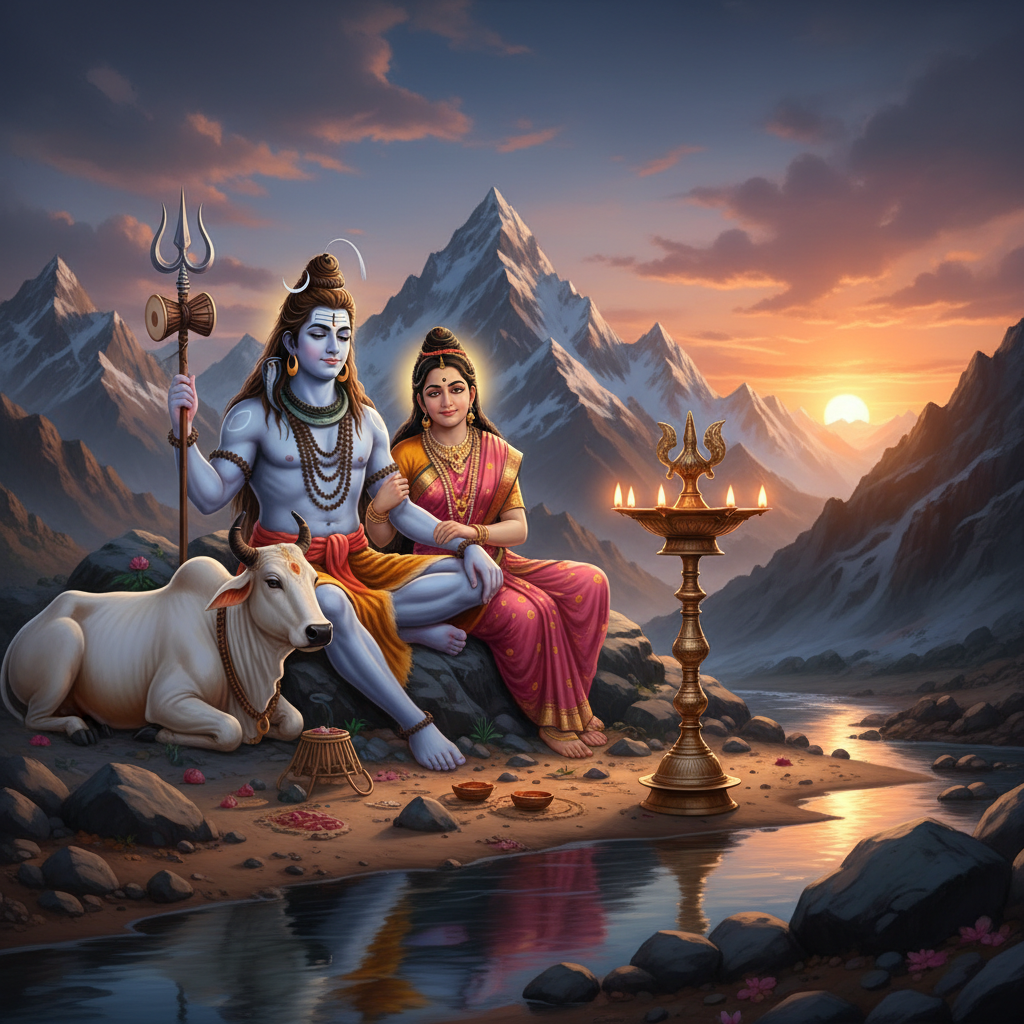
As Puranic literature developed, Rudra's attributes merged with and expanded into the richer mythology of Shiva, including his family life with Parvati, his role in the Trimurti, and his many forms across regional traditions.
Significance of Understanding Both Names
Devotees today generally regard Rudra and Shiva as the same divine reality, with Rudra representing the ancient, elemental face of that reality and Shiva representing its fuller, more personal and devotional expression. Understanding this connection deepens appreciation for the continuity of Hindu tradition across thousands of years.
Many of Shiva's thousand names (Shiva Sahasranama) include Rudra among them, affirming that this is not considered a separate deity, but an earlier name for the same eternal presence.
How Devotees Honour Both Aspects
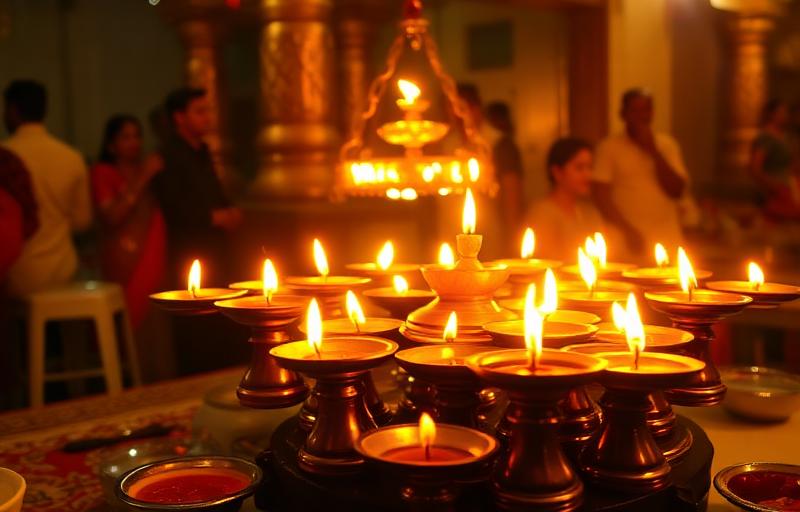
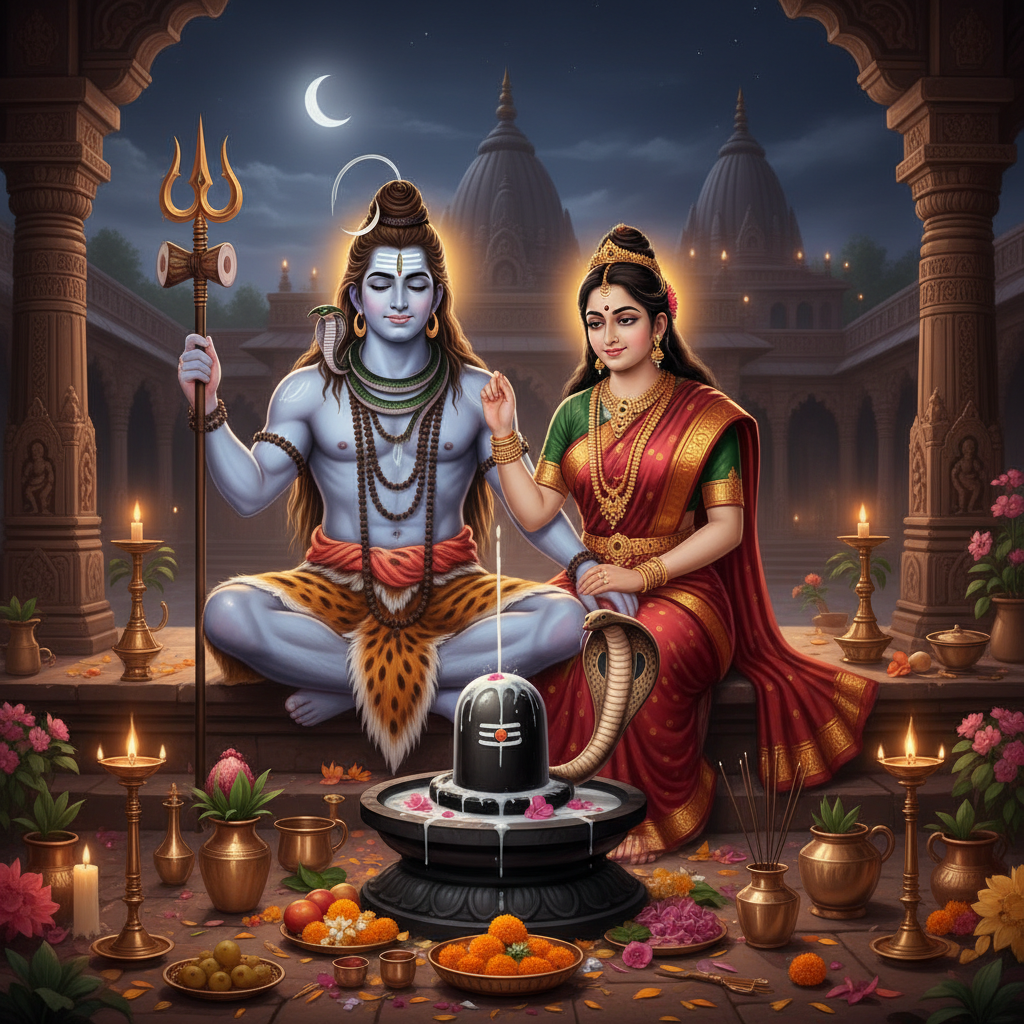
The Rudrabhishek ritual, performed in many Shiva temples, directly honours this Vedic connection, involving the chanting of the Rudram while offering sacred substances to the Shiva lingam. Devotees performing this ritual believe it invokes both Rudra's primal power and Shiva's compassionate grace together.
Chanting Om Namah Shivaya remains the simplest way devotees connect with this unified form, regardless of which name tradition uses in a given hymn or ritual.
A Practical Takeaway
Understanding Rudra and Shiva as one continuous tradition teaches devotees that faith evolves in expression but remains constant in essence. Fierce moments and gentle moments in life, much like Rudra and Shiva, can both be part of the same sacred journey.
Honouring this connection is an act of faith and love, not a transaction, deepening one's appreciation for the depth of Hindu devotional history.
Reader Questions Answered
Are Rudra and Shiva the same deity?+
Yes, devotees and tradition generally regard Rudra as the earlier Vedic name for the same divine reality later known widely as Shiva.
What is the Shri Rudram?+
The Shri Rudram is a revered Vedic hymn praising Rudra's fierce and benevolent aspects, still chanted today in Shiva temples during rituals like Rudrabhishek.
Why does the Shiva Sahasranama include the name Rudra?+
The Shiva Sahasranama includes Rudra because it is considered one of Shiva's own names, reflecting the continuity between the Vedic and Puranic understanding of this deity.
About the author
Anjali Mehta · Editor, M.A. Religious Studies
Anjali is the managing editor for Vandnaa and oversees the festival and vrat coverage. She holds an M.A. in Religious Studies and reviews every published article for accuracy, accessibility, and tradition-fidelity.
Meet the Vandnaa editorial team →