
What Is the Shiva Mahimna Stotram?
The Shiva Mahimna Stotram (Mahimnah Stotram) is a celebrated hymn praising the mahima - the boundless glory - of Lord Shiva. It was composed by Pushpadanta, the king of the Gandharvas, and is counted among the greatest devotional poems in Sanskrit.
The stotram opens with a humble confession: that even Brahaspati, the guru of the gods, cannot adequately describe Shiva's glory, so how can an ordinary devotee? Yet the poet offers his praise anyway, knowing that the Lord accepts sincere devotion however imperfect the words. This blend of soaring poetry and deep humility is what makes the hymn so beloved.
The Opening Verse & Its Meaning
Sanskrit: महिम्नः पारं ते परमविदुषो यद्यसदृशी स्तुतिर्ब्रह्मादीनामपि तदवसन्नास्त्वयि गिरः। अथावाच्यः सर्वः स्वमतिपरिणामावधि गृणन् ममाप्येष स्तोत्रे हर निरपवादः परिकरः॥
Transliteration: Mahimnah param te paramavidusho yadyasadrishi Stutirbrahmadinamapi tadavasannastvayi girah Athavachyah sarvah svamatiparinamavadhi grinan Mamapyesha stotre hara nirapavadah parikarah
Meaning: O Hara (Shiva), if the praise of one who does not know the limit of your glory is unworthy, then even the words of Brahma and the gods fall short of you. But since each may praise you to the limit of his own understanding, my effort in this hymn is also free of blame. The verse sets the tone of the whole stotram - reverent, honest and utterly devoted.
Themes of the Hymn
Across its verses the Mahimna Stotram celebrates several great truths about Shiva:
- The limitless glory that no scripture, sound or mind can fully measure.
- The unity of all paths - the famous verse declaring that whatever path people follow, straight or winding, all lead to the one Lord, as rivers reach the sea.
- Shiva as the source of all - the syllable Om, the Vedas, the three worlds and the three gunas all rest in him.
- His cosmic acts - the swallowing of the halahala poison, the burning of the three cities (Tripura), the holding of the Ganga and the dance of destruction and grace.
The poet shows that Shiva is at once the terrifying destroyer and the most compassionate refuge, beyond words yet reachable by love.
Benefits of Reciting It
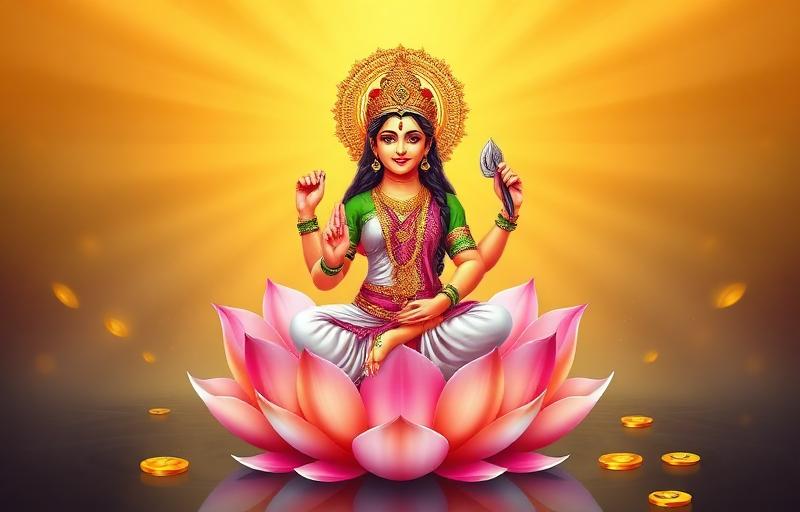
Reciting the Shiva Mahimna Stotram with devotion is believed to bring:
- The grace of Lord Shiva and freedom from sins and faults.
- Peace of mind and removal of fear, as the heart fills with the Lord's glory.
- Strength in difficulty - it is often read on Mondays, Pradosh, Shivratri and during Shravan.
- Spiritual upliftment, drawing the seeker toward the inner stillness Shiva represents.
How to recite: Sit facing a Shivling or image of Shiva after a bath, light a lamp, offer bilva leaves and water, and recite the stotram calmly. Even reading the opening verses daily, with sincere feeling, is held to be deeply auspicious.
Quick Answers
Who composed the Shiva Mahimna Stotram?+
The Shiva Mahimna Stotram was composed by Pushpadanta, the king of the Gandharvas. By tradition he composed it in praise of Lord Shiva to regain the Lord's grace after an offence.
What does the opening line 'Mahimnah param te' mean?+
It means 'the limit of your glory'. The verse says that even Brahma and the gods fall short of describing Shiva's glory, yet anyone may praise him to the best of their understanding, and such sincere praise is never at fault.
When should the Shiva Mahimna Stotram be recited?+
It can be recited any day, but is especially favoured on Mondays, Pradosh, Maha Shivratri and through the month of Shravan. Reciting it after a morning bath before a Shivling is considered most auspicious.
What is the famous 'all paths lead to one' verse?+
It is the verse declaring that whatever path people follow - straight or winding, by different scriptures and faiths - all ultimately reach the one Lord, just as rivers flowing by different routes finally merge in the ocean.
About the author
Acharya Vinaya Kapoor · M.A. Sanskrit, Mantra & Stotra Studies
Acharya Vinaya holds an M.A. in Sanskrit from Banaras Hindu University and writes the mantra and stotra commentary on Vandnaa. Her focus is on accurate pronunciation, traditional context, and helping modern readers connect with classical texts.
Meet the Vandnaa editorial team →