What Is Ardhanarishvara
Ardhanarishvara is one of Hindu tradition's most striking devotional images, a single form that is half Shiva and half Parvati, split down the centre. The right half typically shows Shiva, with matted hair, a trishul and ash-smeared skin, while the left half shows Parvati, adorned with jewellery, a sari and gentle grace.
Rather than depicting two separate beings placed side by side, Ardhanarishvara presents them as one unified whole, a single body carrying both energies at once, worshipped in select temples and widely recognised across Shaiva tradition.
Stories Behind This Form
Several Puranic stories describe how this form came to be. In some tellings, a sage or devotee sought a vision of God that would reveal the totality of creation, and Shiva and Parvati merged into one body to answer this wish, showing that neither masculine nor feminine energy stands complete without the other.
Other accounts describe Parvati requesting that she never be separated from Shiva, even in form, leading to this eternal union being depicted in stone and bronze. Across these variations, the underlying message remains consistent, that Shiva and Shakti are two expressions of one truth.
The Deeper Meaning of the Form
Ardhanarishvara is understood philosophically as the union of Purusha, consciousness, and Prakriti, nature or creative energy. Hindu thought holds that creation itself only becomes possible when these two principles come together, making this form a profound statement about how the universe functions.
- It teaches that masculine and feminine energies are equal and interdependent, not opposed
- It reflects the idea that Shiva without Shakti is incomplete, and Shakti finds full expression only through Shiva
- It has been read by devotees and scholars alike as an image affirming the presence of both energies within every being
- It reinforces that Parvati is not separate from Shiva's power but is that power itself
How Devotees Approach This Form
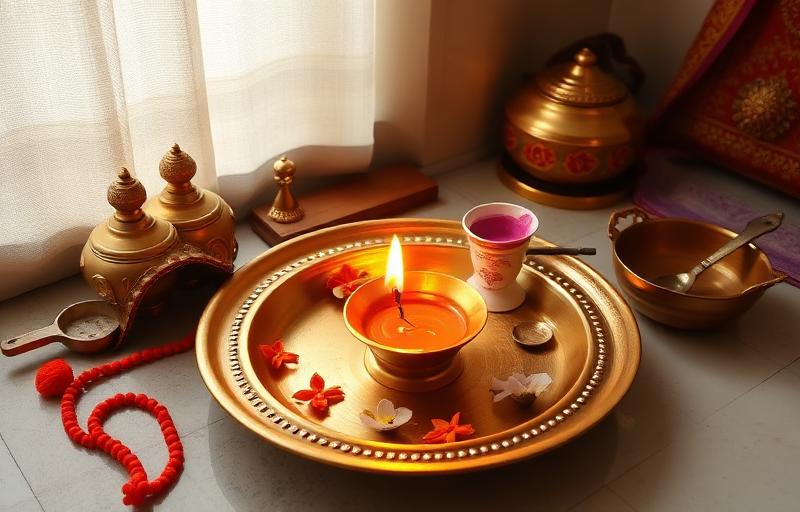
Ardhanarishvara is worshipped in select temples across India, with notable depictions found in ancient cave temples and Shiva shrines that include this form among their sculptures. Devotees offer prayers to this form especially when seeking harmony, balance and the blessing of a united, complete household.
Chanting Om Ardhanarishvaraya Namah is one way devotees invoke this form, often on occasions tied to Shiva-Parvati worship such as Maha Shivratri, when the union of the divine couple is remembered with particular devotion.
A Lesson in Wholeness
Ardhanarishvara offers devotees a lasting lesson, that true strength and true creation come from balance rather than from one force alone. It gently challenges any notion that masculine and feminine energies are separate or unequal, presenting them instead as two halves of a single, complete truth.
Reflecting on this form, in a temple or in quiet thought, is an invitation to seek that same balance within oneself. As with all worship, honouring Ardhanarishvara is an act of faith and love, not a transaction.
Common Questions From Devotees
What does Ardhanarishvara literally mean?+
The name combines 'ardha' (half), 'nari' (woman) and 'ishvara' (lord), describing the form as half woman, half lord, representing Parvati and Shiva united in one body.
Why is Shiva shown on the right and Parvati on the left?+
This arrangement follows traditional iconographic convention, though devotees focus less on the placement itself and more on what the united form represents, the inseparability of the divine couple.
Is Ardhanarishvara worshipped as a separate deity?+
It is generally understood as a devotional form representing the union of Shiva and Parvati rather than a wholly separate deity, and is worshipped within Shaiva tradition especially for balance and harmony.
About the author
Anjali Mehta · Editor, M.A. Religious Studies
Anjali is the managing editor for Vandnaa and oversees the festival and vrat coverage. She holds an M.A. in Religious Studies and reviews every published article for accuracy, accessibility, and tradition-fidelity.
Meet the Vandnaa editorial team →