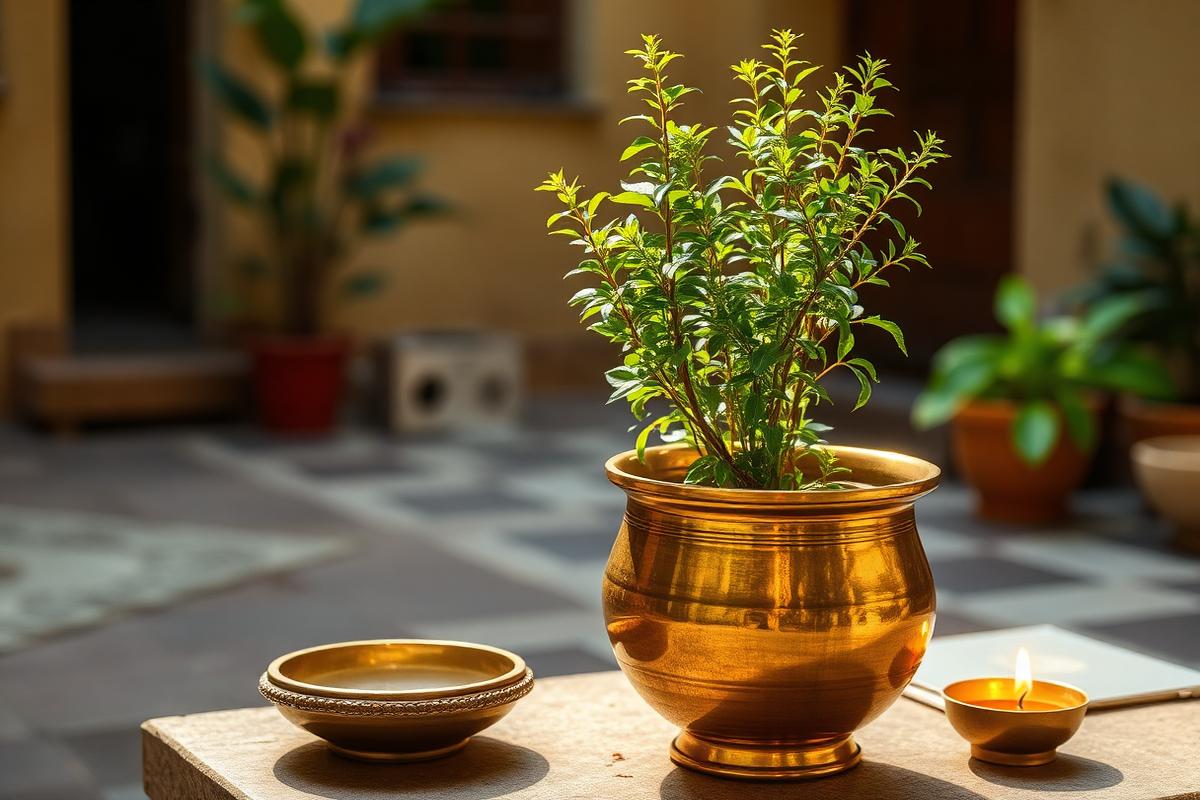
What Is Shodashopachar Puja?
Shodashopachar (shodash = sixteen, upachara = service or offering) is the classical, complete form of puja described in the shastras. In it the deity is treated as a beloved, honoured guest who has come to our home, and we serve them through sixteen acts of devotion - from inviting them, to seating, bathing, dressing and feeding them, to a loving farewell.
The beauty of this vidhi is that it is not mere ritual. Each upachara is a small act of love, a way of saying, 'You are most welcome; let me serve you as I would serve the dearest guest.' Whether you offer all sixteen steps or a simpler version, the feeling of bhakti is what makes the puja complete.
The First Eight Upacharas (Welcoming the Deity)
The first half of the puja welcomes and seats the deity:
1. Avahan - Inviting the deity into the image or murti with folded hands and mantra. 2. Asana - Offering a seat (a flower or akshat placed before the deity). 3. Padya - Washing the feet with water. 4. Arghya - Offering water for the hands, a gesture of welcome. 5. Achamana - Offering water to sip, for purity. 6. Snana - The sacred bath; often panchamrit (milk, curd, ghee, honey, sugar) followed by clean water. 7. Vastra - Offering clothes (a cloth, mauli or sacred thread). 8. Yajnopavita - Offering the sacred thread (janeu), where applicable.
The Last Eight Upacharas (Honouring & Farewell)
The second half honours, feeds and bids farewell to the deity:
9. Gandha (Chandan) - Applying sandalwood paste and roli/kumkum. 10. Pushpa - Offering flowers and a mala. 11. Dhup - Offering fragrant incense. 12. Deep - Offering the ghee lamp (showing light to the deity). 13. Naivedya - Offering food (bhog) and water. 14. Tambula - Offering paan (betel leaf), supari and fruit. 15. Dakshina & Aarti - Offering a token dakshina and performing aarti with the lamp; many add pradakshina (circumambulation) and namaskar here. 16. Visarjan - The loving farewell, gently asking the deity to forgive any error and to remain in our heart until we meet again.
The puja closes with kshama prarthana - asking forgiveness for any mistake in mantra, action or devotion.
A Simpler Way to Offer It at Home
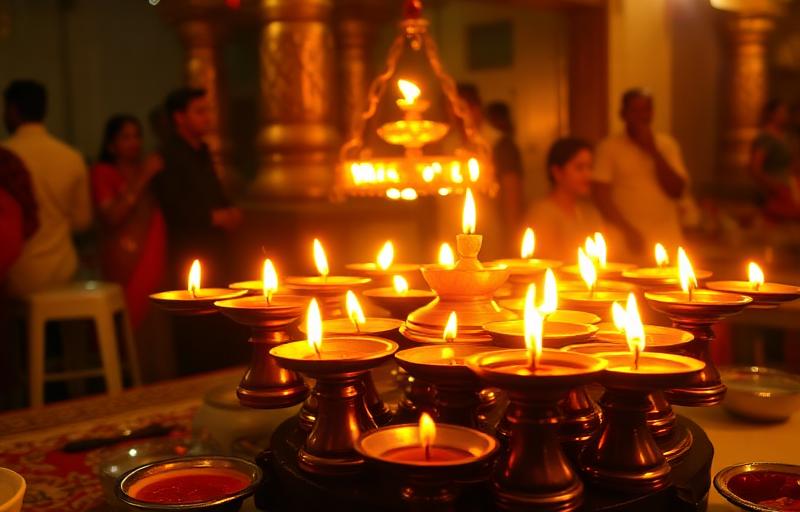
You do not need elaborate materials to honour the full vidhi. The shastras say that where some upachara is not possible, it can be offered mentally (manas puja) with the same devotion.
- Keep it simple: A small lamp, water, a flower, akshat, chandan, incense, a fruit and a clean cloth are enough for a complete shodashopachar at home.
- Manas puja: For anything you cannot offer physically, fold your hands and offer it in your mind, saying 'I offer this to you with love.'
- Order matters less than feeling: If you forget a step or change the order, do not worry. The deity receives bhakti, not perfection.
- End with aarti and visarjan every time, asking forgiveness for any error.
Done daily, even a short shodashopachar turns the morning into a quiet, loving conversation with the divine.
Quick Answers
What does shodashopachar mean?+
Shodashopachar means 'sixteen offerings' (shodash = sixteen, upachara = service). It is the classical complete puja in which the deity is honoured through sixteen acts, from avahan (invitation) to visarjan (farewell).
What are the 16 upacharas in order?+
In the common order they are avahan, asana, padya, arghya, achamana, snana, vastra, yajnopavita, gandha, pushpa, dhup, deep, naivedya, tambula, dakshina/aarti and visarjan. Slight regional variations exist.
Can I do shodashopachar puja at home daily?+
Yes. With a lamp, water, flower, akshat, chandan, incense and a fruit you can offer a complete shodashopachar. Anything you cannot offer physically can be offered mentally (manas puja) with the same devotion.
What if I make a mistake during the puja?+
It is traditionally believed that sincere devotion outweighs procedural error. The puja ends with kshama prarthana, asking the deity to forgive any mistake in mantra, action or order. Bhakti, not perfection, completes the worship.
About the author
Pandit Mahesh Trivedi · Festival Traditions & Panchang
Pandit Mahesh leads the festival-date and Panchang content on Vandnaa. He cross-references multiple regional panchangs (Drik, Vaishnava, Bengali, Marathi) for every festival date published on the site.
Meet the Vandnaa editorial team →