
What the Mango-Leaf Toran Symbolizes
A toran, also called bandhanwar, is the string of fresh mango leaves hung across the main doorway during festivals and pujas. It is a threshold of welcome that marks the home as ready for an auspicious occasion. Mango leaves are regarded as sacred and auspicious, associated with abundance, fertility, and good fortune. By framing the entrance with green leaves, the family signals to Goddess Lakshmi and other deities that they are invited inside, while ill fortune is asked to stay out. The toran also greets every guest with a living symbol of prosperity. In essence, the bandhanwar transforms an ordinary doorway into a sacred archway, a boundary between the everyday world and the celebration within.
Why Mango Leaves Specifically
The mango tree holds a special place in Hindu tradition. Its leaves and wood appear in havan, kalash sthapana, and wedding rituals, and the fruit is linked with Lord Ganesha and with sweetness and plenty. Mango leaves are chosen for the toran because they stay green and fresh for several days, are easily strung, and carry strong auspicious associations. Their tapering, glossy shape is pleasing and they are believed to radiate positive energy. Tradition also values them as a natural air-freshener that keeps the entrance pleasant, a piece of household wisdom rather than a medical claim. Because the mango is seen as a tree of life and abundance, hanging its leaves at the door naturally invites the same qualities of growth and prosperity into the home.
How to Make and Hang a Toran
Making a mango-leaf toran is a simple, joyful task often done on the morning of a festival: 1. Pluck or buy fresh, undamaged mango leaves, ideally an odd number, and rinse them gently. 2. Take a strong cotton thread and pass it through the base of each leaf with a needle. 3. String the leaves so they overlap neatly, sometimes alternating with marigold flowers or small mango sprigs. 4. Add an auspicious touch at the centre, such as a swastik hanging, bell, or extra flowers. 5. Hang the finished bandhanwar across the top of the main doorframe so it greets everyone entering.
Many families fix it before sunrise on the festival day, so the home is welcoming from the very start of the celebration.
Occasions When the Toran Is Hung
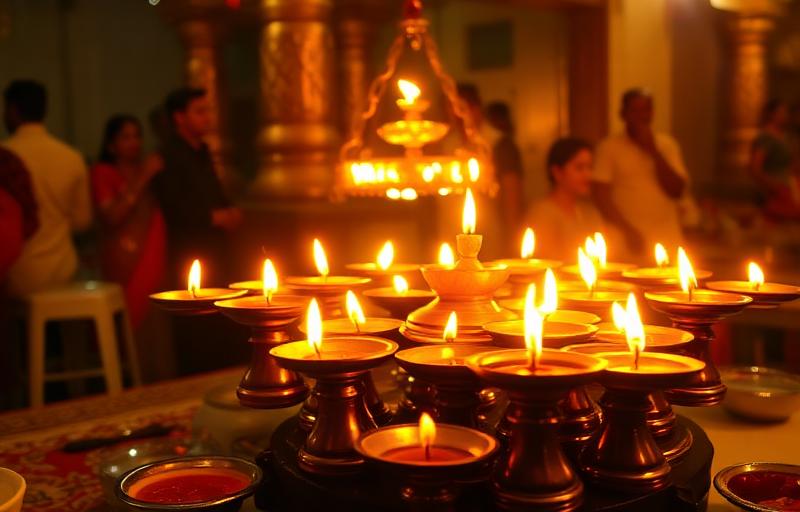
The mango-leaf toran appears at every major auspicious moment. It is hung during Diwali to welcome Goddess Lakshmi, on Ugadi, Gudi Padwa, and other new-year celebrations, and at weddings, grah pravesh (housewarming), and naming ceremonies. Families also put it up for festivals like Ganesh Chaturthi, Navratri, and Pongal, and whenever a special puja is held at home. The common thread is that the toran marks a threshold of auspiciousness - any time the household is set apart for celebration or worship. Its presence tells visitors and the divine alike that something sacred and joyful is taking place within, turning the entrance into the first and most visible sign of festivity.
The Traditional Wisdom Behind Mango Leaves
Generations of householders have valued mango leaves for keeping the doorway fresh and pleasant. Folk wisdom holds that the green leaves help keep the entrance cool and clean and lend a gentle natural fragrance to the home, which is why they have been used at thresholds for so long. We share this as traditional and cultural knowledge passed down through families, not as a health or medical claim. What matters most in the ritual is the symbolism: the living, breathing greenery represents freshness, renewal, and the welcoming of positive energy. When you hang fresh leaves rather than artificial ones, you honour this old wisdom and keep the toran a genuine, living offering at the entrance to your home.
When to Replace the Toran
Because the toran is meant to be a fresh, living offering, it should be replaced once the leaves dry and turn brown. A few simple guidelines help: 1. Do hang a fresh toran for each major festival rather than reusing a dried one. 2. Do remove withered leaves promptly, since dry, drooping leaves are considered inauspicious. 3. Do dispose of the old leaves respectfully, for example by placing them under a tree or in a clean natural spot rather than ordinary waste. 4. Don't leave a brittle, faded toran hanging for weeks; refresh it for the next occasion. 5. Don't replace fresh leaves with plastic imitations if you wish to keep the traditional meaning.
A bright, green toran keeps the doorway auspicious; a dried one is gently retired with gratitude.
What People Ask Most
Why do we hang mango leaves at the door during festivals?+
Mango leaves are auspicious and associated with abundance. Hanging them as a toran welcomes Goddess Lakshmi, marks the home as ready for celebration, and is believed to keep negative energy out.
What is the difference between toran and bandhanwar?+
They refer to the same thing - a decorative string of leaves and flowers hung across the doorway. Toran is the more Sanskritic term and bandhanwar is a common Hindi name for the same auspicious hanging.
Can I use leaves other than mango for a toran?+
Mango leaves are most traditional and auspicious, but ashoka leaves and marigold flowers are also commonly used. Mango remains the preferred choice for its strong auspicious associations and freshness.
How often should I replace the mango-leaf toran?+
Replace it once the leaves dry and turn brown, and hang a fresh one for each major festival. Dry, drooping leaves are considered inauspicious, so a fresh green toran is preferred.
Should the number of mango leaves be odd or even?+
Many families prefer an odd number of leaves, considering it auspicious, though the exact count varies by regional custom. The most important point is that the leaves are fresh and undamaged.
How should I dispose of an old toran?+
Dispose of dried leaves respectfully, such as placing them under a tree or in a clean natural spot, rather than throwing them in ordinary waste, since they were part of an auspicious offering.
About the author
Pandit Mahesh Trivedi · Festival Traditions & Panchang
Pandit Mahesh leads the festival-date and Panchang content on Vandnaa. He cross-references multiple regional panchangs (Drik, Vaishnava, Bengali, Marathi) for every festival date published on the site.
Meet the Vandnaa editorial team →