
What the Betel Leaf Means in Worship
The betel leaf, known as paan or nagavalli, is one of the most respected offerings in Hindu ritual. Its broad, heart-shaped form is seen as a symbol of freshness, prosperity, and hospitality. Offering paan to a deity is a gesture of welcome and honour, much like serving a respected guest. The leaf is rarely offered alone; it is usually paired with supari (areca nut), and sometimes with cloves, cardamom, or a coin, making a complete unit known as tambula. In many traditions, presenting tambula signals the joyful conclusion of a ritual, the way a host offers paan to a guest after a meal. Thus the paan stands for graciousness, completion, and the warm relationship between devotee and deity.
The Belief That Paan Holds the Trinity
A cherished tradition holds that the betel leaf is home to the divine. According to this belief, the three parts of the leaf are occupied by the Trimurti: Brahma resides at the top, Vishnu in the middle, and Shiva at the base or stalk. Some accounts also place Lakshmi and other deities within the leaf, which is why it is treated with such reverence. Because of this, devotees are careful about how they pluck, place, and offer paan, and the tip and stalk are often trimmed before offering. This belief elevates a simple leaf into a seat of the gods, reminding the worshipper that the divine can dwell in the most ordinary of things when approached with devotion and respect.
Paan in Sankalp and Kalash Rituals
The betel leaf plays a structural role in major rituals. During sankalp - the vow taken at the start of a puja where the devotee states their intention - a leaf with supari and a coin is often held in the hand or placed before the deity to seal the resolve. In kalash sthapana, the sacred pot is crowned with mango leaves and a coconut, and betel leaves are frequently arranged around the rim or offered alongside as part of the tambula. These uses show that paan is not decorative but functional: it marks the seriousness of the vow and the sanctity of the consecrated vessel. By including the leaf, the worshipper invokes the trinity believed to reside in it, asking the divine to witness and bless the ceremony from its very beginning.
How and When to Offer Paan
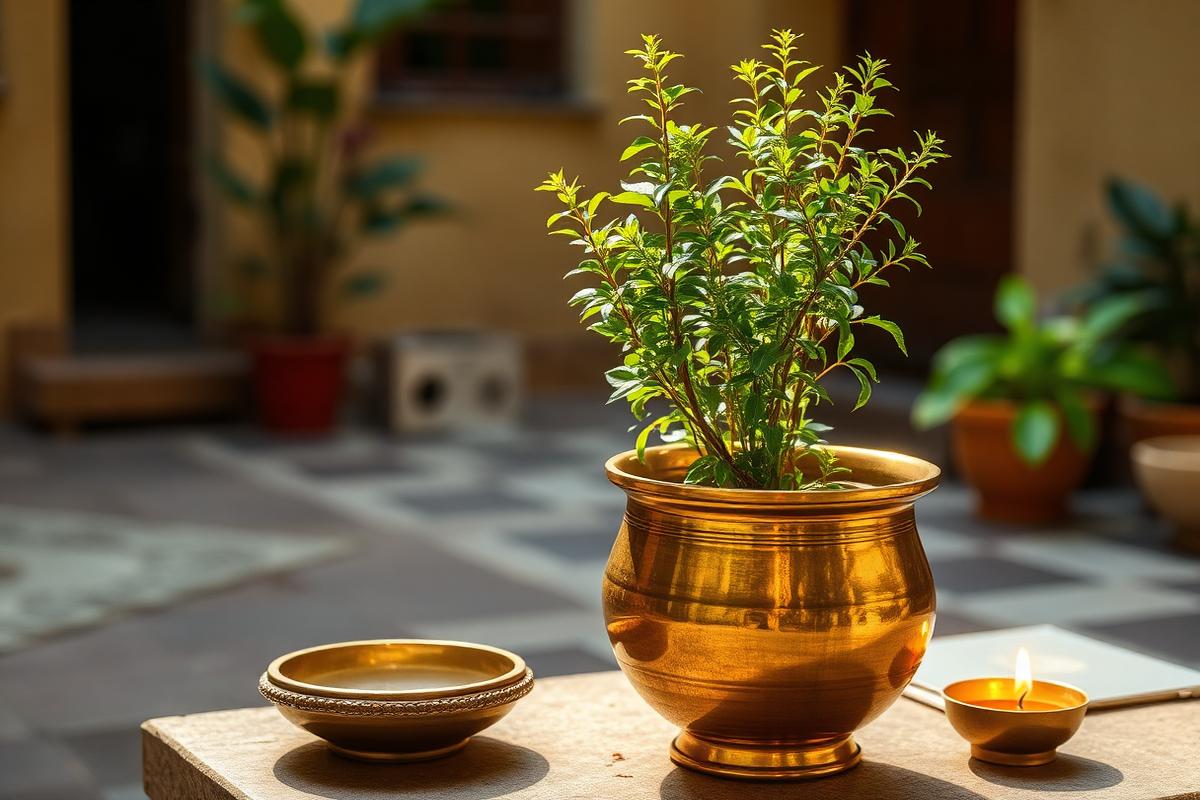
Offering paan correctly is simple if you follow a few traditional steps: 1. Choose fresh, unbroken, deep-green leaves without holes or yellowing. 2. Gently wash and pat them dry, then trim the pointed tip and the hard stalk. 3. Place the leaf with its smooth side up, since the back is considered the underside. 4. Set a whole supari on the leaf, and add cloves, cardamom, or a coin if your tradition does so. 5. Offer the tambula to the deity, usually toward the end of the puja or during aarti.
Paan is offered in most auspicious pujas, vrat ceremonies, Satyanarayan katha, and weddings. After the worship, the tambula may be shared as prasad, honouring both the deity and the gathered devotees.
Paan in Weddings and Hospitality
Beyond the shrine, the betel leaf is woven into Indian celebration and courtesy. In weddings, tambula is exchanged between families as a token of acceptance and goodwill, and offering paan to elders and guests is a long-standing mark of respect. The leaf appears in grah pravesh (housewarming), naming ceremonies, and festival feasts, always signalling auspicious beginnings and warm welcome. This cultural role mirrors its ritual meaning: just as paan honours the deity, it honours people. We share these customs as cultural and traditional wisdom. The recurring presence of the betel leaf - in the temple, at the wedding mandap, and in the home - shows how a single offering can bind worship, family, and community into one gesture of grace.
Do's and Don'ts with Paan
A few respectful habits keep the offering proper: 1. Do use fresh, washed leaves and trim the tip and stalk before offering. 2. Do keep the smooth side facing upward when placing the leaf. 3. Do pair the leaf with supari to complete the tambula. 4. Don't offer torn, wilted, or insect-eaten leaves. 5. Don't offer paan smeared with tobacco, lime, or commercial fillings; the puja offering is the plain leaf with pure ingredients. 6. Don't discard the offered leaf carelessly; treat the prasad with respect.
The value of the offering lies in its freshness and the devotee's sincerity. A single clean leaf placed with faith honours the trinity believed to dwell within it far more than a hurried, careless presentation.
Frequently Asked Questions
Why is the betel leaf offered in Hindu puja?+
The betel leaf symbolizes freshness, prosperity and hospitality, and is offered as a gesture of welcome to the deity. It is also believed to be a seat of the divine, which makes it a respected offering.
Why is paan believed to hold Brahma, Vishnu and Shiva?+
Tradition holds that the three parts of the leaf are occupied by the Trimurti - Brahma at the top, Vishnu in the middle and Shiva at the stalk - which is why the leaf is treated with great reverence.
What is tambula in puja?+
Tambula is the complete offering of a betel leaf together with supari (areca nut), and sometimes cloves, cardamom or a coin. It is offered to the deity and often shared afterward as prasad.
How is paan used in sankalp?+
During sankalp, the vow at the start of a puja, a betel leaf with supari and a coin is held in the hand or placed before the deity to formalize and seal the devotee's intention.
When during the puja is paan offered?+
Paan is usually offered toward the later part of the puja, often around aarti or as the ritual concludes, much like offering paan to a guest after hospitality and a meal.
Should the betel leaf for puja contain tobacco or lime?+
No. The puja offering is a plain, fresh leaf with pure ingredients like supari and cloves. Tobacco, lime and commercial fillings are not used for the offering to the deity.
About the author
Pandit Mahesh Trivedi · Festival Traditions & Panchang
Pandit Mahesh leads the festival-date and Panchang content on Vandnaa. He cross-references multiple regional panchangs (Drik, Vaishnava, Bengali, Marathi) for every festival date published on the site.
Meet the Vandnaa editorial team →