The Humble Nut in Every Puja Thali
Ask any priest for a puja samagri list - for Satyanarayan katha, griha pravesh, Navratri or a simple havan - and supari (the betel or areca nut) will be on it without fail. It sits quietly in the thali beside haldi, kumkum and akshat, so familiar that most devotees never ask what it is doing there. Yet supari is one of the most versatile articles in Hindu ritual. It can become the seat of a deity, anchor the sankalp that begins every puja, ride atop the kalash, seal a wedding promise and stand in for an idol when none is available. The nut earns these roles through its nature: it is hard, whole, long-lasting, without smell and without decay - a small, incorruptible sphere that the tradition found worthy of holding the divine. Understanding supari turns a routine checklist item into one of puja's most meaningful objects.
Supari as a Deity - The Ganesh-Supari Tradition
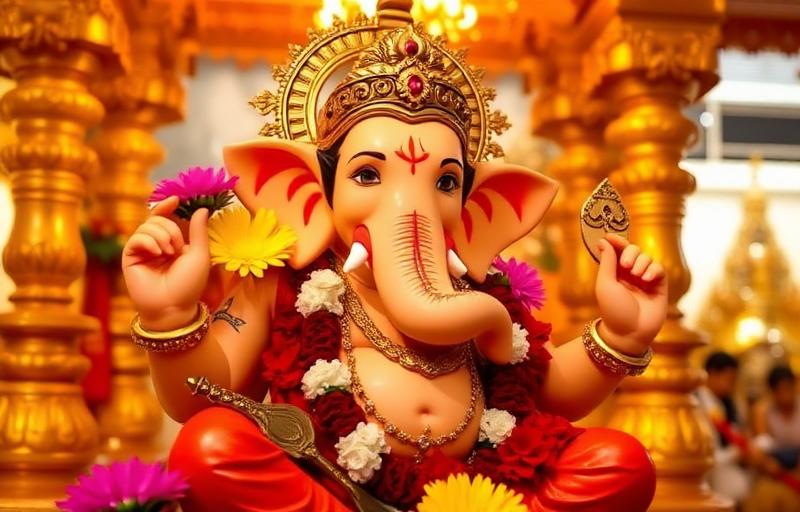
The most striking use of supari is as a deity substitute. Hindu ritual requires Ganesha's presence at the start of every auspicious work, but a murti is not always available - at a building site, in a rented home, at a roadside ceremony. Tradition's elegant answer is the Ganesh supari: a whole betel nut, wrapped in a thread of mauli (kalava), placed on a small heap of unbroken rice or on a betel leaf, into which Ganesha is formally invited through avahan (invocation). From that moment until visarjan, the nut is treated exactly as a murti - bathed, marked with haldi and kumkum, offered flowers and naivedya. The same method extends to other deities: in many rites, including vivah and kalash sthapana, supari nuts serve as seats for Gauri, the navagrahas or the kuldevta. The teaching is profound - divinity needs no grand form; it needs only a clean, whole vessel and a sincere invitation.
Supari in Sankalp - The Vow Taken With Paan and Nut
Every formal puja begins with sankalp - the spoken vow in which the devotee states their name, gotra, the place and time, and the purpose for which the worship is performed. Tradition asks that this vow not float in air but be anchored in matter. So the devotee holds, in the right palm, a betel leaf with a supari, along with unbroken rice, a flower, water and often a coin, while reciting the sankalp mantra. When the vow is complete, the contents are released before the deity or into the worship plate - the words have been handed over, sealed in substance. The supari is the firm core of this little bundle: durable and unsplittable, it represents the devotee's resolve, which must remain as hard and whole as the nut until the vow is fulfilled. Without sankalp a puja is considered incomplete, and without supari, the sankalp itself lacks its anchor.
What Supari Symbolizes - Firmness and the Ego Offered to God
Why this nut, of all things? Tradition reads supari as a portrait of the human self. Its outer shell is hard and unyielding - like the ego (ahankara), the stubborn crust of "I and mine" that resists every softening. To place a supari at the deity's feet is to enact the hardest offering of all: surrendering one's own hardness, laying the unbreakable self before the one who can hold it. At the same time, the nut's qualities are read positively as firmness of devotion. Supari does not rot, shrink or bend with seasons; a devotee's vow, tradition says, should be just as steadfast. Some teachers add a third layer: beneath the rough shell lies a pale, patterned kernel - the pure self hidden inside the hardened exterior, revealed only when the outer covering is finally given up. One small nut, and the whole journey of surrender is told.
Supari in Weddings and Kalash Sthapana
Supari's ritual life shines brightest at weddings and in the kalash. In vivah ceremonies across regions, supari appears at nearly every step: deities are invoked on supari nuts during the Gauri-Ganesh puja that opens the rituals, supari is exchanged between families when the match is confirmed - many communities even call fixing the engagement supari phodna or breaking the supari - and the nut travels inside the bride's shagun, tied in cloth with haldi and coins as a blessing of firmness for the new bond. In kalash sthapana, performed at Navratri, griha pravesh and most major pujas, a supari with a coin is dropped into the kalash water along with durva and mango leaves; the nut sanctifies the water-body of the kalash as a living seat of the divine. Wherever a promise needs permanence - a marriage, a vow, a new beginning - tradition reaches for the nut that does not decay.
How to Place and Offer Supari in Puja
Setting up a puja supari takes only a few mindful steps. 1. Choose a whole, unbroken, well-shaped nut - never one that is cracked, hollow or worm-touched. 2. Wash it in clean water and wipe it dry. 3. Place it on a betel leaf or a small heap of unbroken rice (akshat), with the pointed end facing up. 4. If a deity is to be invoked, wrap the nut with a few rounds of mauli thread. 5. Invite the deity with an avahan mantra - for Ganesha, Om Gam Ganapataye Namah, followed by avahayami sthapayami - and offer haldi, kumkum, akshat and a flower exactly as you would to a murti. 6. Through the puja, treat the supari as the deity's seat: offer naivedya before it and perform aarti facing it. The care is simple, but it is precisely this care that turns a market-bought nut into a throne.
What to Do With Puja Supari Afterwards
What happens to the supari when the puja ends depends on the role it played. If a deity was formally invoked into it, perform a simple visarjan - fold your hands, thank the deity and request their return (punaragamanaya cha) - after which the nut may be immersed in flowing water or placed at the base of a peepal or tulsi along with other nirmalya. Many families, however, keep the Ganesh supari or kalash supari through the year as a vessel of blessing: it rests on the puja altar, or famously inside the cash box or locker, especially the supari from Diwali Lakshmi puja, invited again at the next major worship. Sankalp supari is usually left in the puja plate and later immersed. Only two things are ruled out by tradition: throwing a sanctified supari in the trash, and chewing it - puja supari is a sacrament, never refreshment. Handled with this small courtesy, the nut completes its journey as gracefully as it began.
Frequently Asked Questions
Why is supari used to represent Ganesha in puja?+
Tradition asks for a vessel that is whole, hard, odourless and free of decay before a deity is invoked into it, and supari has all these qualities. Wrapped in mauli and placed on rice or a betel leaf, the nut becomes the Ganesh supari through avahan, serving as the deity's seat wherever a murti is not available.
Can a broken or cracked supari be used in puja?+
No. The supari for puja must be whole and unblemished - never cracked, hollow or worm-touched - because wholeness is the very quality for which it is chosen. Inspect the nut before the puja, wash it in clean water, and keep one or two spare whole nuts in the samagri in case of doubt.
Is supari always offered with a betel leaf (paan)?+
Very often, yes - the paan-supari pair is the classic combination in sankalp, tambulam offerings and wedding rites, the leaf serving as the nut's seat. But supari also stands alone on a heap of rice when used as a deity, and inside the kalash with the coin. Follow the vidhi of your specific puja and family tradition.
What should be done with the supari after the puja ends?+
If a deity was invoked into it, perform a simple visarjan and then immerse the nut in flowing water or place it under a peepal or tulsi. Many families instead keep the Ganesh or kalash supari on the altar or in the cash box through the year as a blessing. Never throw a sanctified supari in the trash and never chew it.
Is puja supari related to the habit of chewing betel nut?+
No. The two uses share only the nut itself. In puja, supari is a sacrament - a seat for the deity and an anchor for the sankalp - and is never eaten. Tambulam (paan-supari) is offered to the deity as a ritual courtesy, but the sanctified puja nut itself is kept or immersed, not consumed.
How should the supari be placed - pointed end up or down?+
By common tradition the supari is placed with its pointed end facing up, resting steady on a betel leaf or a small heap of unbroken rice. The upright posture mirrors a seated deity. Regional customs vary in small details, so where your family or priest follows a specific way, that vidhi takes precedence.
About the author
Pandit Mahesh Trivedi · Festival Traditions & Panchang
Pandit Mahesh leads the festival-date and Panchang content on Vandnaa. He cross-references multiple regional panchangs (Drik, Vaishnava, Bengali, Marathi) for every festival date published on the site.
Meet the Vandnaa editorial team →