What Is a Sarpa Kavu?
A Sarpa Kavu is a small sacred grove, traditionally maintained within the grounds of many old Kerala homes, particularly those belonging to Nair and other traditional tharavadu, or ancestral joint family, households, set aside for the worship of snake deities. Left largely undisturbed across generations, these groves preserve a patch of natural vegetation where snake images, usually representing Nagaraja and Nagayakshi, are installed and worshipped.
For the families who maintain them, a Sarpa Kavu is treated as inviolable ground, a small corner of the property that belongs, in effect, to the deities rather than to the household, and is approached with particular care and reverence.
The Wider Tradition of Naga Worship
Naga worship holds a distinctive place across Hindu tradition, with serpents regarded as sacred beings connected to fertility, protection and the unseen forces of nature. Lord Shiva is depicted wearing the serpent Vasuki around his neck, Lord Vishnu is described reclining upon Ananta Shesha, and festivals such as Naga Panchami honour serpent deities in many parts of India.
Kerala's Sarpa Kavu tradition is a distinctly regional, home-centred expression of this wider devotional theme, bringing naga worship out of temple courtyards and into the everyday sacred geography of the family home.
Rituals and Offerings at a Sarpa Kavu
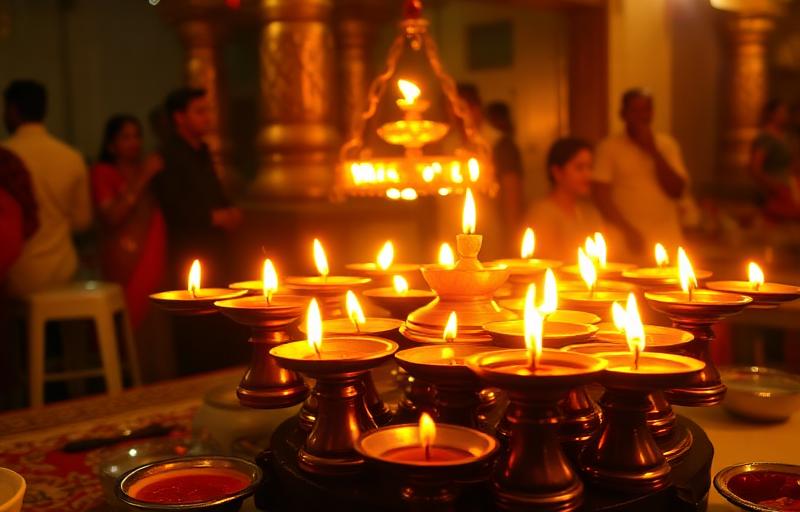
Worship at a Sarpa Kavu is typically simple, involving offerings such as turmeric powder, milk and lit lamps placed before the snake images within the grove. Many families also periodically invite a ritual specialist to perform Sarpam Thullal, a traditional ceremonial dance-worship believed to invoke and honour the presence of the snake deities.
Families who maintain a kavu often speak of a deep, generational sense of responsibility toward it, understanding its upkeep as part of the household's broader devotional duty rather than a task to be neglected.
Mannarasala: Kerala's Best-Known Naga Shrine
Beyond individual home kavus, Kerala is also home to Mannarasala Temple in Alappuzha district, widely regarded as the state's most prominent full-fledged Naga shrine. Its grounds hold an extensive forest of snake images accumulated over many generations, said to be among the largest such collections found at any single Hindu shrine.
Devotees visit Mannarasala particularly to pray for progeny and for the wellbeing of their families, and it remains closely connected in spirit to the same tradition of reverence that sustains the smaller Sarpa Kavus found across the state.
Faith That Preserves Nature
Because a Sarpa Kavu is treated as sacred and largely untouched ground, these small groves have, over generations, come to shelter patches of natural vegetation that might otherwise have been cleared. This is not the purpose behind the tradition, which remains firmly devotional, but it stands as a quiet reminder of how reverence for the divine can naturally leave the land it touches a little more whole.
For devotees, this is simply an extension of faith, honouring a sacred space because it belongs to the deities, with any wider benefit flowing from that devotion rather than from it.
The Takeaway
The Sarpa Kavu tradition reminds devotees that sacred space does not always require grand architecture, sometimes a small, undisturbed corner tended with faith across generations is enough to hold a family's devotion.
Worship here, whether at a home kavu or at Mannarasala, is an act of quiet reverence and continuity, not a transaction.
Frequently Asked Questions
What is a Sarpa Kavu?+
A Sarpa Kavu is a small sacred grove maintained within many traditional Kerala homes, set aside for the worship of snake deities and left largely undisturbed across generations.
Which deities are typically worshipped in a Sarpa Kavu?+
Snake images representing Nagaraja and Nagayakshi are the most commonly worshipped forms within a Sarpa Kavu, honoured with offerings such as turmeric, milk and lit lamps.
What is Mannarasala known for?+
Mannarasala Temple in Alappuzha is Kerala's most prominent full-fledged Naga shrine, holding an extensive forest of snake images and drawing devotees who pray for progeny and family wellbeing.
About the author
Pandit Ravindra Sharma · Vedic Rituals & Bhakti, 22+ years
Pandit Ravindra is the Vandnaa editorial team's resident specialist on aarti, chalisa, and daily devotion. He has performed home and temple pujas across Varanasi and Delhi for over two decades and contributes the bhakti-focused articles on this site.
Meet the Vandnaa editorial team →