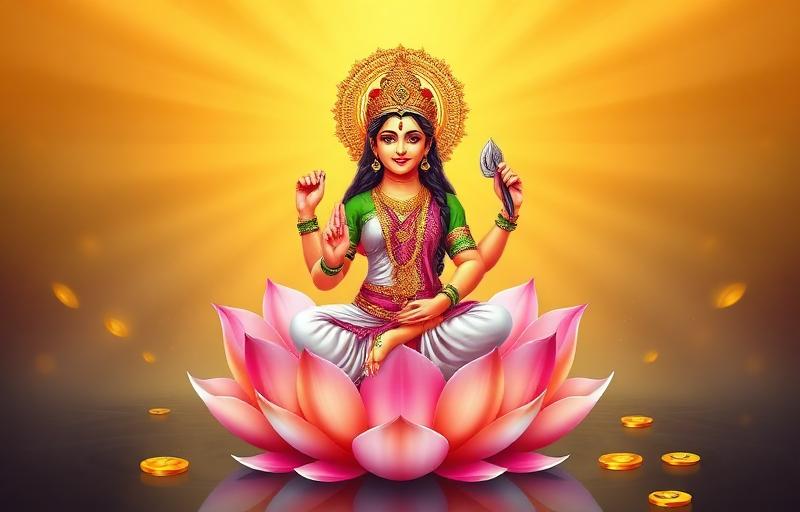
Who Is Srikalahasteeswara?
Srikalahasteeswara is Lord Shiva as worshipped at Srikalahasti in Andhra Pradesh, on the banks of the Swarnamukhi river, one of the five Pancha Bhoota Sthalams and the shrine associated with the element of air, or Vayu.
Devotees say the sanctum flame here flickers gently though no draft ever reaches it, a quiet sign of Shiva's presence as the wind itself. His consort at this temple is worshipped as Gnanaprasunambika.
The temple's very name is drawn from a devotional legend of three humble creatures, a spider, a snake and an elephant, whose unwavering devotion to Shiva is remembered here to this day.
The Legend of the Spider, Snake and Elephant
According to tradition, three devoted creatures once worshipped a lingam at this spot in their own humble ways. A spider, called Sri, spun a web over the lingam each day to shield it from falling leaves and dust, offering the only shelter it could weave.
A snake, called Kala, would come daily to place a precious gem upon the lingam as its offering, while an elephant, called Hasti, faithfully brought water from the river each day to bathe the lingam, only to tear away the spider's web and the snake's gem in the process without meaning any harm.
When the snake and elephant, unaware of each other, met one day and fought, both perished, and the spider too gave up its life in grief. Moved by their sincere devotion despite their limited understanding, Shiva granted them liberation, and the temple came to be named Srikalahasti in honour of the three, Sri, Kala and Hasti.
Significance and the Rahu-Ketu Puja Tradition
Srikalahasti is widely known among devotees for the Rahu-Ketu puja, performed here as a temple worship tradition, where devotees seek Shiva's blessings for peace and relief from long-standing troubles through prayer and ritual, rather than any prediction of the future.
Many families visit specifically to perform this puja together, treating it as an act of shared faith and reverence, guided respectfully by the temple's priests.
The temple's air lingam symbolism also draws pilgrims completing the Pancha Bhoota Sthalam circuit, who consider this shrine essential to that devotional journey.
Darshan Guide and Festivals
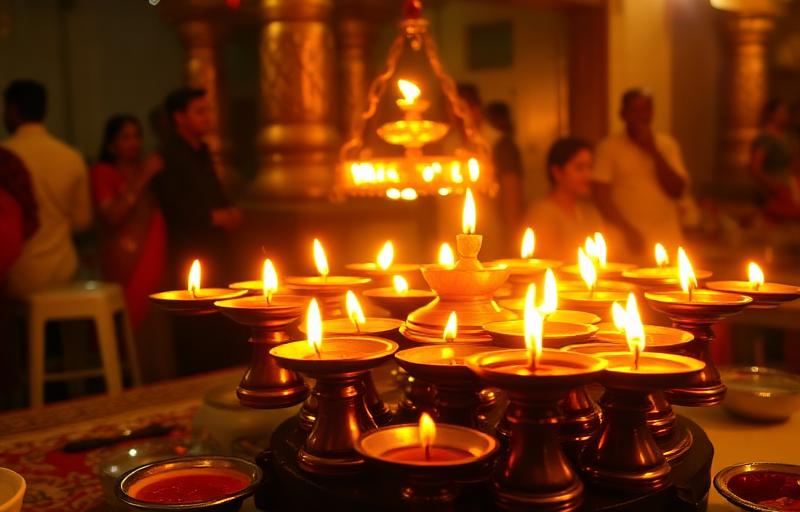
The temple follows a set daily pattern of rituals from early morning through the evening, and devotees are advised to confirm current timings locally, especially before undertaking the Rahu-Ketu puja, which typically requires advance booking.
Maha Shivratri is celebrated here with great fervour, along with the annual Rathotsavam, when the deities are taken out in procession, drawing large crowds of devotees from across the region.
The temple's hillside setting above the Swarnamukhi river also offers pilgrims a peaceful spot for quiet reflection after darshan.
How to Reach Srikalahasti
Srikalahasti lies close to Tirupati in Andhra Pradesh, and many pilgrims combine their visit with the Tirumala temple.
Srikalahasti Railway Station connects the town to nearby cities, while Tirupati, roughly half an hour away, offers wider rail connectivity.
The nearest airport is Tirupati Airport, from where taxis and buses are readily available to Srikalahasti.
Mantra to Chant and a Devotee's Takeaway
Devotees at Srikalahasti often chant 'Om Kalahasteeswaraya Namah', meaning 'salutations to the lord of Kalahasti', along with the universal 'Om Namah Shivaya'.
The katha of the spider, snake and elephant teaches every devotee that Shiva does not measure devotion by understanding or capability, but by sincerity of heart. Worship here, in whatever humble form it takes, is an act of faith and love, not a transaction.
Quick Answers
Why is Srikalahasti called the Vayu lingam temple?+
Srikalahasti is one of the five Pancha Bhoota Sthalams, and its sanctum lingam is associated with the element of air. Devotees say the sacred flame there flickers gently even without any draft reaching it.
What is the Rahu-Ketu puja at Srikalahasti?+
It is a temple worship tradition where devotees pray to Shiva for peace and relief from long-standing troubles, performed with the guidance of temple priests as an act of shared faith, not as any prediction of future events.
What is the legend behind the temple's name?+
The name comes from three devoted creatures, a spider (Sri), a snake (Kala) and an elephant (Hasti), who each worshipped a lingam here in their own way and were granted liberation for their sincere devotion.
About the author
Pandit Ravindra Sharma · Vedic Rituals & Bhakti, 22+ years
Pandit Ravindra is the Vandnaa editorial team's resident specialist on aarti, chalisa, and daily devotion. He has performed home and temple pujas across Varanasi and Delhi for over two decades and contributes the bhakti-focused articles on this site.
Meet the Vandnaa editorial team →