Who Is Ekambareswarar?
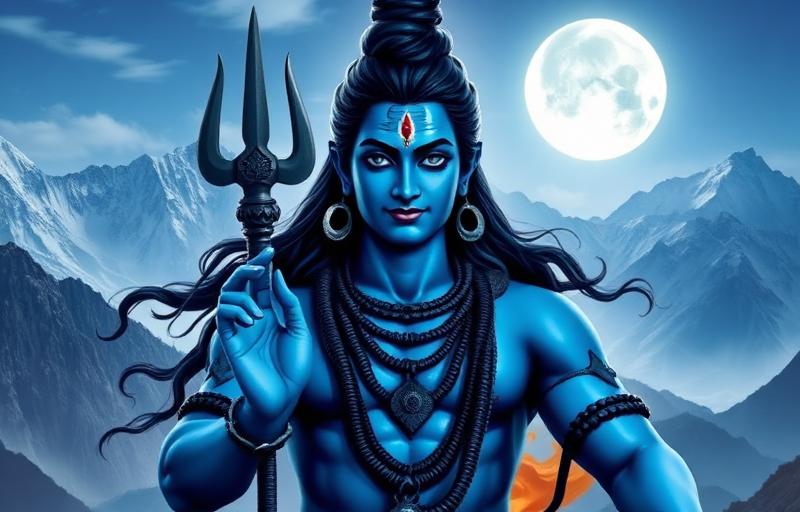
Ekambareswarar, also called Ekambaranathar, is Lord Shiva as worshipped in Kanchipuram, Tamil Nadu, one of the five Pancha Bhoota Sthalams and the shrine associated with the element of earth, or Prithvi.
The sacred lingam here is traditionally believed to be formed of sand, moulded by Goddess Parvati herself, making it distinct from the stone or metal lingams found at most Shiva temples.
His consort at this temple is worshipped as Kamakshi, and the temple complex, with its towering gopuram and vast pillared halls, is considered one of the great Shiva temples of Tamil Nadu's ancient temple city of Kanchipuram.
The Legend of Parvati and the Mango Tree
According to tradition, Goddess Parvati once performed intense penance beneath a mango tree on the banks of the Kampa river at Kanchipuram, moulding a lingam of sand to worship Shiva with unwavering devotion.
To test her devotion, it is said that Shiva sent the river in flood and also a great fire toward her, yet Parvati embraced the sand lingam close to her heart, protecting it even as the flames drew near, unwilling to let harm come to the form of her Lord.
Moved by her devotion, Shiva appeared before her and united with her at that very spot, an event devotees believe is why the temple and its ancient mango tree are considered eternally sacred to this day.
Significance and the Sacred Mango Tree
The mango tree within the temple grounds, said to be centuries old, remains a focal point of devotion, and pilgrims regard the fruits from its different branches as symbolic of the four Vedas, each said to carry a distinct flavour.
Devotees pray here for marital harmony, given the temple's association with Shiva and Parvati's union, and many newly married couples visit seeking blessings for their life together.
- The temple's Panchabhuta symbolism draws pilgrims completing the wider Pancha Bhoota Sthalam circuit
- The vast thousand pillared hall is admired for its ancient Dravidian architecture
- The temple tank and mango tree together are treated as sacred, and devotees offer prayers while walking around them
Darshan Guide and Festivals
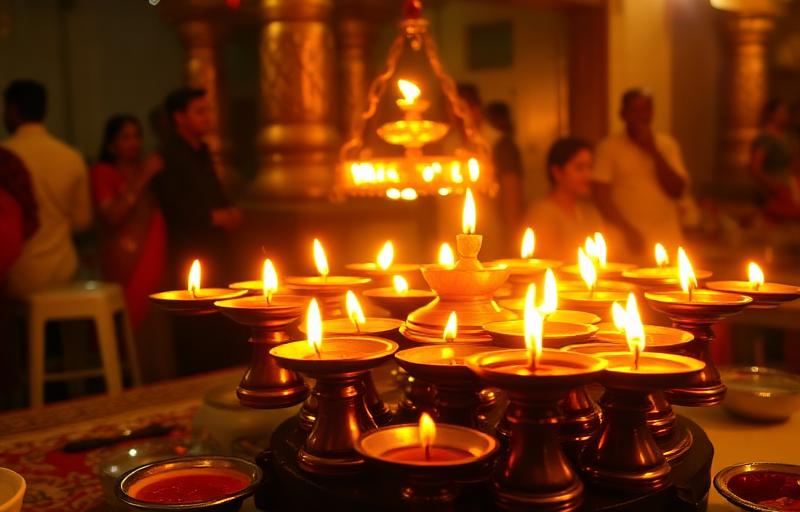
The temple follows a set daily pattern of rituals from early morning through to the evening, with timings that devotees are advised to confirm locally, as they may shift around festivals.
Panguni Uthiram, celebrating the divine wedding of Shiva and Parvati, is observed here with great devotion, along with the annual Brahmotsavam and Maha Shivratri, both drawing large gatherings of pilgrims.
Devotees visiting Kanchipuram often combine their trip with the nearby Kamakshi Amman temple and the Varadaraja Perumal temple, since the city is home to numerous ancient shrines.
How to Reach Kanchipuram
Kanchipuram is well connected by road to Chennai, roughly a couple of hours away, with frequent buses and taxis plying the route.
Kanchipuram Railway Station connects the town to several cities in Tamil Nadu and beyond.
The nearest major airport is Chennai International Airport, from where the temple town is easily reachable by road.
Mantra to Chant and a Devotee's Takeaway
Devotees at Kanchipuram often chant 'Om Ekambareshwaraya Namah', meaning 'salutations to the lord of the mango tree', along with the universal 'Om Namah Shivaya'.
The story of Parvati embracing the sand lingam through flood and fire reminds every devotee that true devotion holds firm regardless of the trials it faces. Worship here, whether at the ancient mango tree or before the earth lingam, is an act of faith and love, not a transaction.
Quick Answers
Why is Ekambareswarar's lingam special?+
The lingam here is traditionally believed to be made of sand, moulded by Goddess Parvati herself during her penance, making the temple the earth shrine among the five Pancha Bhoota Sthalams.
What is the significance of the mango tree at the temple?+
The centuries old mango tree marks the spot of Parvati's penance and her union with Shiva. Its branches are said to bear fruit symbolic of the four Vedas, and it remains a revered part of the temple grounds.
Which festival is celebrated most grandly at Ekambareswarar Temple?+
Panguni Uthiram, marking the divine wedding of Shiva and Parvati, along with the annual Brahmotsavam and Maha Shivratri, are celebrated here with great devotion and draw large crowds.
About the author
Pandit Ravindra Sharma · Vedic Rituals & Bhakti, 22+ years
Pandit Ravindra is the Vandnaa editorial team's resident specialist on aarti, chalisa, and daily devotion. He has performed home and temple pujas across Varanasi and Delhi for over two decades and contributes the bhakti-focused articles on this site.
Meet the Vandnaa editorial team →