What is the Stambeshwari Tradition
Stambeshwari takes her name from stambha, the Sanskrit word for pillar, and the name is used by devotees across Odisha for a wider tradition of worshipping the Divine Mother in the form of a sacred post rather than a sculpted idol. In everyday speech this same worship is often called Khambeswari, from khamba, the Odia word for pillar.
Rather than describing a single shrine, Stambeshwari is best understood as a devotional thread running through several temples and villages of Odisha, each honouring the goddess in this same simple, unadorned form.
For devotees, this shared way of worship, found under different local names across the region, is a reminder that faith itself, not any single site, is what truly connects them.
Origins and Place in the Hindu Fold
As per tradition, worship of the goddess in pillar form is believed to be older than many of the sculpted temple traditions found elsewhere in India, rooted in the everyday devotion of the local communities of this region long before it was recorded in any formal text.
Over time, this local reverence was gently absorbed into the wider Shakti and Puranic tradition, much like many regional forms of the Divine Mother across India, without ever losing its original, unadorned character.
Devotees see nothing lesser in this simplicity. In Hindu tradition, the formless and the abstract have always been held as sacred as the iconic, and Stambeshwari is a living example of that principle.
Regional Forms - Where This Tradition is Found
The most prominent living example of this tradition is the Khambeswari Temple of Sonepur, in Odisha's Subarnapur district, where the sacred pillar draws devotees from across the region. Similar pillar shrines, smaller in scale, are found in villages and towns across western and coastal pockets of Odisha, each cared for by local devotees under a related name.
What unites these scattered shrines is not a shared architecture or a single legend, but the same underlying devotion, a belief that Shakti can be present in the simplest, most primal form a community chooses to honour.
Significance and How Devotees Worship

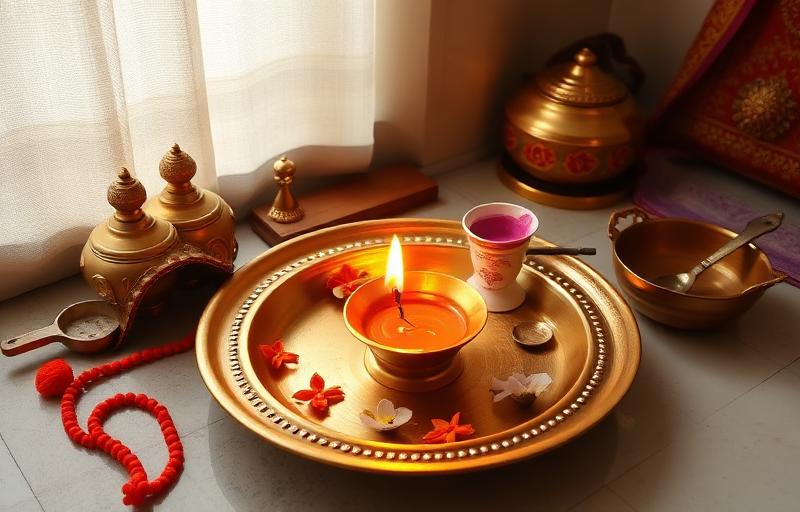
Devotees who follow this tradition pray to Stambeshwari for the same reasons they would approach any form of Shakti, protection, prosperity and the wellbeing of family and land. Offerings are simple, often just flowers, vermilion and a lit lamp placed respectfully before the pillar.
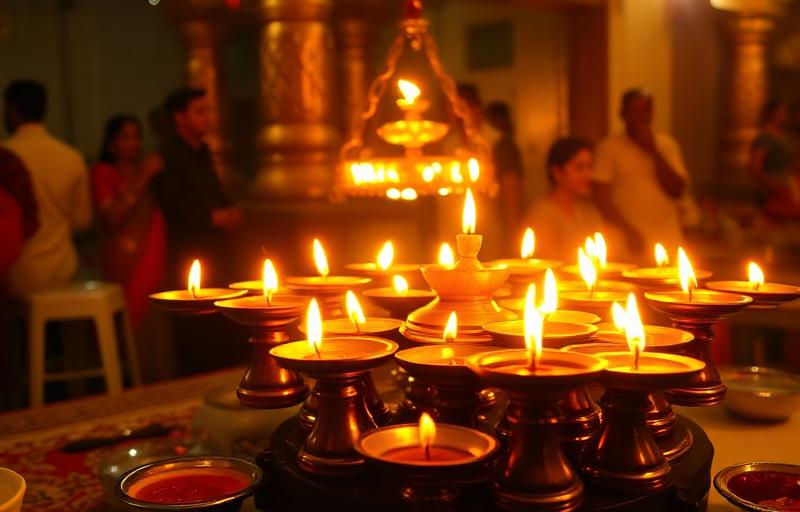
Durga Puja and Navratri bring special observance to these shrines, when local communities gather for collective worship, and the goddess's pillar form is honoured with the same festivity as any richly adorned idol elsewhere.
What devotees take from this practice is a quiet lesson, that sincerity of devotion matters far more than the form it is offered to.
A Devotional Takeaway
Stambeshwari's enduring lesson is one of humility, that the Divine Mother's presence does not depend on grandeur, only on the sincerity of those who seek her. A simple pillar, tended with faith across generations, carries as much sanctity as any elaborately carved shrine.
As always, this worship is offered as an act of faith and love, not a transaction, a devotion as old and unadorned as the very land it grew from.
Quick Answers
What does the name Stambeshwari mean?+
The name comes from stambha, meaning pillar, referring to the Divine Mother's worship in the form of a sacred post rather than a sculpted idol, also known regionally as Khambeswari.
Is Stambeshwari a single temple?+
No, it refers to a wider tradition found across several shrines and villages in Odisha, with the Khambeswari Temple of Sonepur as its most prominent living example.
Why is the goddess worshipped as a pillar rather than an idol?+
Devotees see this aniconic form as an ancient and primal expression of Shakti, reflecting the Hindu principle that the formless can be held as sacred as the iconic.
About the author
Pandit Ravindra Sharma · Vedic Rituals & Bhakti, 22+ years
Pandit Ravindra is the Vandnaa editorial team's resident specialist on aarti, chalisa, and daily devotion. He has performed home and temple pujas across Varanasi and Delhi for over two decades and contributes the bhakti-focused articles on this site.
Meet the Vandnaa editorial team →