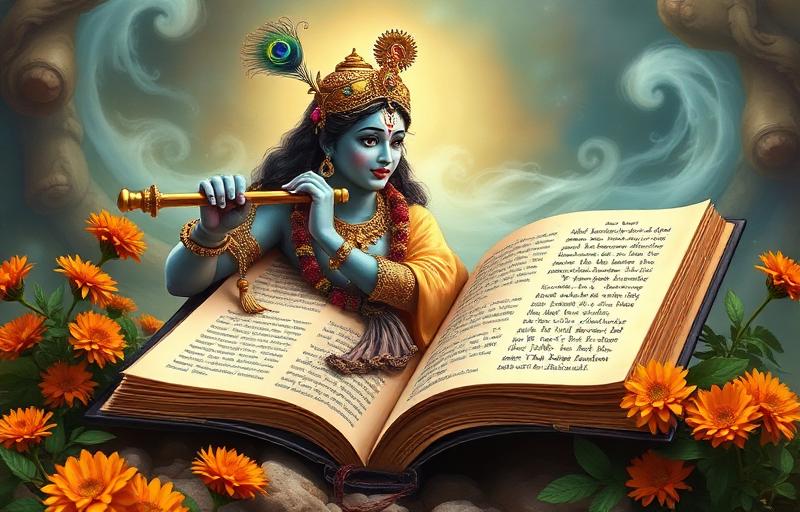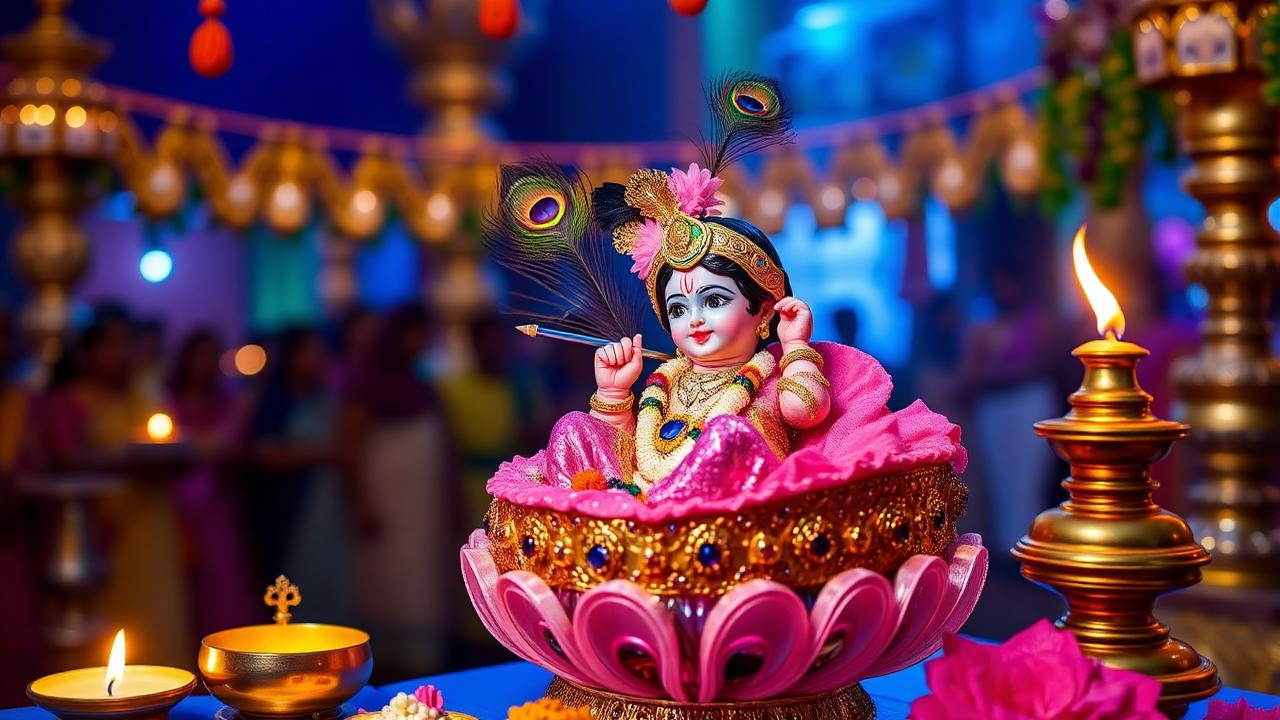
Who Was Sudama - The Poor Brahmin Friend of Krishna
Sudama, lovingly called Kuchela in southern traditions, was a poor Brahmin who lived in a small village with his wife Susheela and their children. The Bhagavata Purana describes him as a man of deep learning and even deeper contentment. He owned almost nothing, accepted whatever food came unasked, and spent his days in study and remembrance of God. What made Sudama extraordinary was not his scholarship but his friendship - he had once been the closest companion of Shri Krishna, who now ruled the golden city of Dwarka. While Krishna lived as a king, Sudama struggled to feed his family. Yet in all those years of hardship, he never once approached his friend for help. This quiet dignity is the heart of the Sudama charitra, one of the most beloved stories of Krishna bhakti, retold in homes across India for centuries.
Childhood Friends at Sandipani's Gurukul
Krishna and Sudama met as boys at the gurukul of Rishi Sandipani in Ujjain. There, the prince of the Yadavas and the poor Brahmin boy lived as equals - sleeping on the same floor, eating the same simple food, gathering firewood for the guru's household. One famous episode from their student days is remembered with great affection. The guru's wife once sent the two boys into the forest to collect firewood. A fierce storm broke out, night fell, and the boys stood holding their bundles through rain and darkness until Sandipani found them at dawn. The rishi, moved by their endurance, blessed their learning to be fruitful. In the gurukul, friendship had no labels of rich and poor. That early bond - formed in shared hardship and shared seva - is what Krishna remembered decades later when a tired traveller appeared at the gates of Dwarka.
Sudama's Poverty and Susheela's Gentle Push
Years passed. Sudama's poverty deepened until his children went hungry. His wife Susheela never complained about her own suffering, but a mother cannot watch her children starve. One day she said gently, 'Your dearest friend is the lord of Dwarka. He is known as Dinabandhu, the friend of the poor. Go and meet him - not to beg, only to see him. Will he not understand?' Sudama hesitated. To ask anything of a friend felt like putting a price on love. But the thought of simply seeing Krishna again, after so many years, melted his resistance. He agreed to go - on one condition that he made silently with himself - he would ask for nothing. He would carry his love, his memories, and whatever small gift the house could offer. That inner vow, to meet the Lord without a demand, is what makes Sudama a model of nishkama bhakti, devotion without expectation.
Three Handfuls of Poha - The Journey to Dwarka
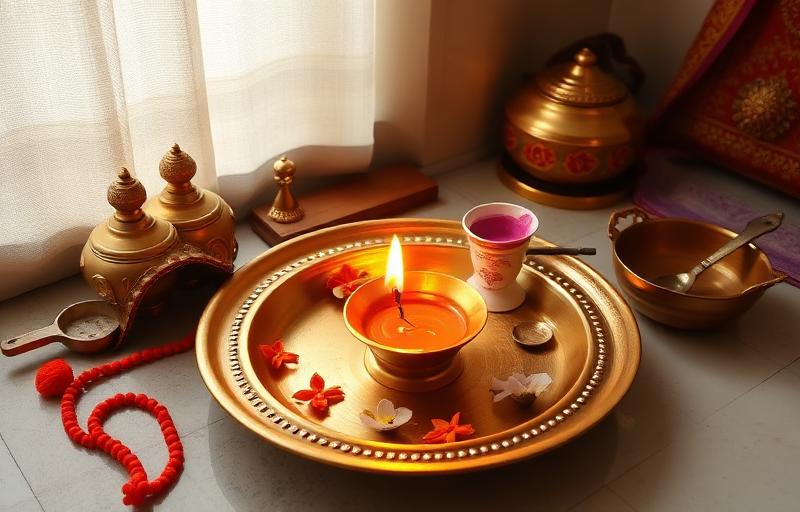
What does a poor man take as a gift for a king? Susheela went to the neighbours and borrowed a little poha - flattened rice - the humblest food there is. She tied three handfuls of poha in a torn piece of cloth, and Sudama set out on foot for Dwarka. The journey was long, his feet bare, his clothes patched. When he finally reached the golden city, the guards at the palace gate looked doubtfully at the thin Brahmin who claimed to be the king's friend. But the moment word reached Krishna that 'Sudama' was at the gate, everything changed. The Bhagavata Purana paints the scene unforgettably - Krishna rose from his seat mid-conversation and ran barefoot through the palace, his royal robes trailing, calling his friend's name. The court watched in astonishment as the Lord of Dwarka embraced a dusty traveller with tears streaming down his face.
Krishna Washes Sudama's Feet - The Welcome at Dwarka
Krishna led Sudama into the palace and seated him on his own royal couch. Then the king of Dwarka did what stuns every listener of this katha - he brought water with his own hands and washed the feet of his poor friend, while Queen Rukmini fanned the travel-worn Brahmin like a servant. Tradition says Krishna's tears fell into the water as he washed those cracked, blistered feet. The two friends talked late into the night, laughing over gurukul memories - the storm, the firewood, the guru's lessons. Not once did Krishna ask, 'Why are you so poor?' and not once did Sudama say, 'I need help.' Between true friends, explanation is unnecessary and dignity is preserved. This scene - God washing the feet of a devotee - reverses every worldly idea of status, and is why painters and poets have returned to it for a thousand years.
The Unasked Gift - Two Handfuls and Two Worlds
All evening, Sudama hid his little bundle, ashamed to offer poha to a king. But Krishna, smiling, snatched it from under his arm - 'What have you brought for me? You know I love whatever comes from a friend's heart!' He opened the torn cloth and ate one handful of poha with delight, then a second. As he reached for the third, Rukmini caught his hand - in eating two handfuls, the Lord had already granted Sudama the wealth of both worlds; a third, she said, would leave nothing for the Lord's own household to give. Sudama left the next morning having asked for nothing and, he believed, received nothing - except his friend's love, which was everything to him. When he reached home, his hut had become a palace and his family was dressed in fine clothes. Krishna had given everything, unasked, and stayed invisible in the giving.
Lessons in True Friendship and Devotion

The Sudama katha is told not just for its sweetness but for what it teaches. 1. True friendship ignores status - Krishna saw his gurukul brother, not a beggar at the gate. Position changed; love did not. 2. There is dignity in devotion - Sudama never asked. Bhakti is not a transaction; it is a relationship. 3. Give what you have, with love - three handfuls of poha outweighed royal treasures, exactly as the Gita promises: patram pushpam phalam toyam - a leaf, a flower, a fruit, water offered with love, the Lord accepts (Gita 9.26). 4. Give without being asked - Krishna never made Sudama say the humiliating words. The deepest generosity anticipates need and protects the receiver's self-respect. 5. Wealth follows grace quietly - the reward came at home, unannounced, so the friendship itself stayed pure. For devotees, Sudama remains proof that the Lord counts love, not the price tag of the offering.
Quick Answers
Who was Sudama and how did he know Krishna?+
Sudama was a poor, learned Brahmin who had studied alongside Krishna as a boy at Rishi Sandipani's gurukul in Ujjain. There they lived as equals, sharing chores and lessons, and became the closest of friends. Their story appears in the Bhagavata Purana, in the tenth skandha.
Why did Sudama take poha (flattened rice) to Krishna?+
Tradition holds that one should never visit a loved one empty-handed. Sudama's household had nothing, so his wife Susheela borrowed a little poha from neighbours and tied three handfuls in a torn cloth. It was the humblest gift possible, but it carried his whole heart - which is exactly why Krishna treasured it.
Why did Krishna eat only two handfuls of poha?+
As Krishna reached for the third handful, Queen Rukmini stopped his hand. The traditional explanation is that with two handfuls Krishna had already granted Sudama the prosperity of both worlds; a third would have given away even the wealth of the Lord's own house. The detail shows how completely Krishna repays pure love.
Did Sudama ever ask Krishna for wealth?+
No. This is the soul of the story. Despite crushing poverty, Sudama asked for nothing in Dwarka and returned believing he had received nothing but his friend's love. Krishna gave everything unasked - Sudama found his hut transformed into a palace when he reached home. The story models devotion without expectation, nishkama bhakti.
What does the Sudama story teach about friendship?+
It teaches that true friendship is untouched by status, time, or distance. Krishna, a king, ran barefoot to embrace a poor Brahmin and washed his feet with his own hands. It also teaches the giver's side - help a friend in need without making them ask, so their dignity stays intact.
Where is the story of Sudama found in the scriptures?+
The primary source is the Bhagavata Purana, tenth skandha, chapters 80 and 81. The episode is also retold in regional devotional literature, including Narsinh Mehta's Gujarati padas. A famous Sudama temple stands in Porbandar, Gujarat, traditionally identified as his home town, called Sudamapuri.
About the author
Pandit Ravindra Sharma · Vedic Rituals & Bhakti, 22+ years
Pandit Ravindra is the Vandnaa editorial team's resident specialist on aarti, chalisa, and daily devotion. He has performed home and temple pujas across Varanasi and Delhi for over two decades and contributes the bhakti-focused articles on this site.
Meet the Vandnaa editorial team →