Two Practices, One Sun: Clearing Up a Common Mix-Up
Mention "Surya" to a room of practicing Hindus and you will likely hear two completely different things described as the same practice: a set of yoga postures done on a mat each morning, and a ritual of pouring water toward the rising sun while standing in it. Both are real, both are widely practiced, both are genuinely connected to sun worship, and they are, despite frequently being conflated in casual conversation, two distinct practices with different origins, different purposes, and different traditions behind them.
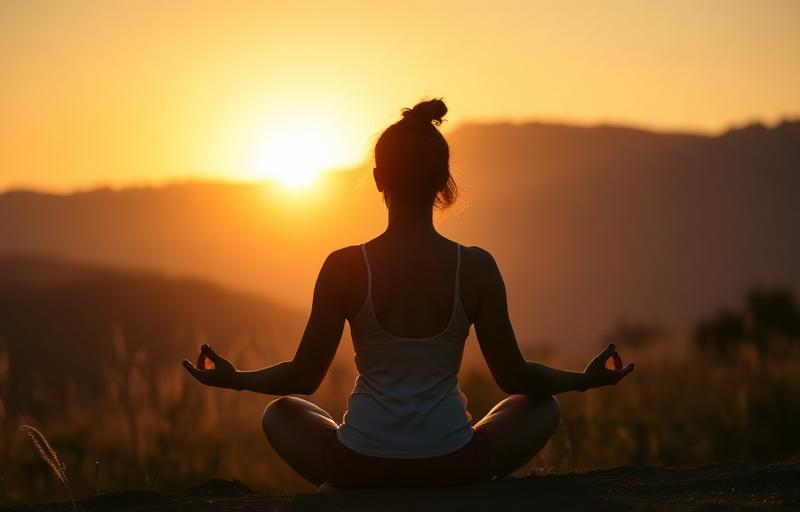
Surya Namaskar, the Sun Salutation, is a sequence of twelve linked yoga postures (asanas) performed in a flowing, coordinated series, rooted in the Hatha Yoga tradition. It is primarily a physical and breath-based practice, though one carried out with devotional intent toward the sun, that has become globally recognized largely through the modern yoga movement.
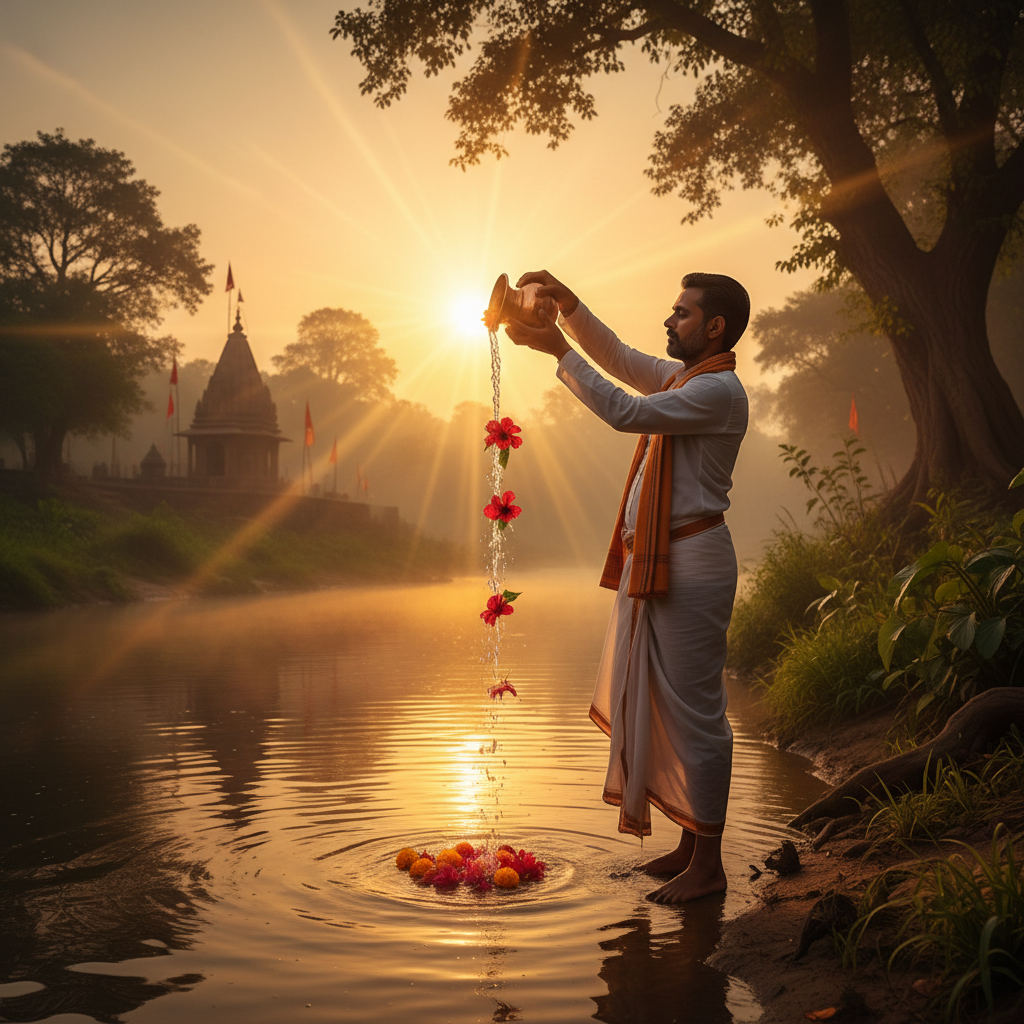
Surya Arghya, the sun water offering, is a purely devotional ritual involving standing before the rising sun and offering water from a copper vessel while reciting a mantra, rooted in Vedic ritual practice and Sandhyavandanam traditions that predate the codified yoga asana sequences by a considerable margin. It requires no physical exertion beyond standing and pouring, and its entire purpose is the act of reverent offering itself.
The confusion between them is understandable, both happen at sunrise, both face the sun, both are described using words like "surya puja" in casual speech, and many devotees who practice one have never been clearly told how it differs from the other. This guide untangles the two properly, so you know exactly what you are doing and why, whichever one you practice, or if, as many devotees do, you practice both.
What Surya Namaskar Actually Is
Surya Namaskar consists of twelve postures performed in a continuous, flowing sequence, typically repeated multiple rounds, moving through forward bends, backward bends, plank-like positions, and prostration-like poses, each synchronized with a specific inhale or exhale. Traditionally, each of the twelve postures is paired with one of the twelve names of Surya, recited either mentally or aloud as the posture is held: Mitraya, Ravaye, Suryaya, Bhanave, Khagaya, Pushne, Hiranyagarbhaya, Marichaye, Adityaya, Savitre, Arkaya, and Bhaskaraya, each name capturing a different quality or aspect of the sun.
This pairing of physical movement with recited names is what keeps Surya Namaskar from being purely secular exercise, even as it has been widely adopted internationally as general fitness practice stripped of its devotional layer. In its traditional form, practiced as part of a morning sadhana, it is understood as a complete practice combining physical discipline, breath control (pranayama), and devotion in a single flowing sequence, ideally performed facing the rising sun, though this is adapted indoors or at other times when necessary.
The physical benefits are well documented and part of why the practice has spread so widely beyond explicitly religious contexts: it stretches and strengthens the major muscle groups, improves flexibility and circulation, and builds a steady rhythm between breath and movement that many practitioners describe as meditative in itself. But it is worth remembering, from a devotional standpoint, that Surya Namaskar in its original context was never meant as exercise alone. The recitation of the twelve names, the facing of the actual rising sun rather than an arbitrary direction, and the intention behind the practice are what distinguish a devotional Surya Namaskar practice from a purely physical yoga sequence borrowed for fitness, even though the postures themselves look identical either way.
What Surya Arghya Actually Is
Surya Arghya is considerably simpler in physical terms and entirely devotional in character. The practice involves standing facing the rising sun, holding a copper vessel (lota) filled with water, sometimes mixed with a few grains of rice, red flowers, or a little roli, and slowly pouring the water in a thin stream while looking through the falling water toward the sun, reciting a mantra such as "Om Suryaya Namah" or the longer Gayatri Mantra dedicated to Surya.
The copper vessel is not incidental. Copper is traditionally considered to interact favourably with sunlight and water in a way that enhances the ritual's significance, and the specific technique, pouring the water while looking at the sun through the stream, is described in tradition as allowing the devotee to receive the sun's energy directly while performing the offering, rather than the water and the viewing being separate, disconnected acts.
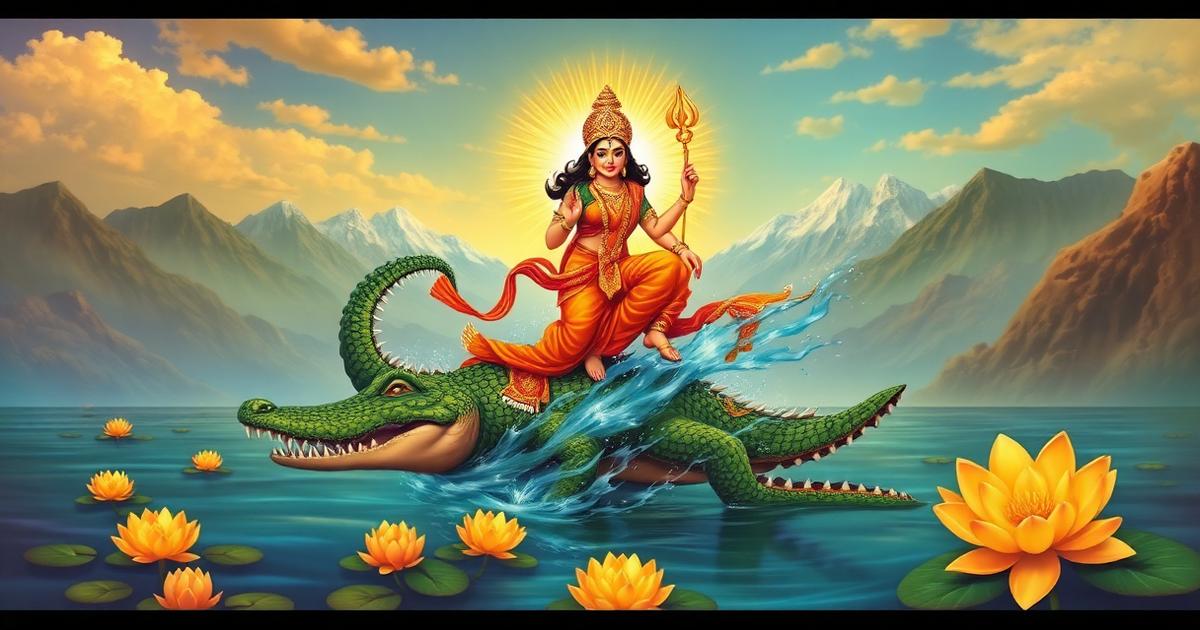
This practice is deeply embedded in several major devotional contexts: it forms a core part of daily Sandhyavandanam, the thrice-daily prayer ritual observed particularly within Brahmin tradition, and it is the single most visually iconic element of Chhath Puja, the major festival dedicated to Surya and Chhathi Maiya, where devotees stand in water bodies to offer arghya to both the setting and the rising sun across the festival's four days. It also appears as a simpler, standalone daily practice in many households unconnected to any specific festival, performed each morning as a brief act of gratitude to the sun for sustaining life.
Unlike Surya Namaskar, Surya Arghya requires no physical flexibility, strength, or particular fitness, which is part of why it remains accessible to devotees of any age or physical condition, from young children to elderly grandparents, in a way a full round of yoga postures does not.
Key Differences at a Glance
Laid out directly against each other, the practical and traditional differences become clear:
- Nature of practice: Surya Namaskar is physical, a sequence of yoga postures with breath coordination. Surya Arghya is purely ritual, a stationary water offering.
- Physical exertion: Surya Namaskar requires flexibility, strength, and stamina, built up gradually. Surya Arghya requires only the ability to stand and pour water, suitable for nearly anyone.
- Tools needed: Surya Namaskar needs a yoga mat and enough open space to move through the sequence. Surya Arghya needs only a copper vessel and water, plus optionally rice, flowers or roli.
- Scriptural and traditional roots: Surya Namaskar developed within the Hatha Yoga tradition, formalized and popularized significantly in more recent centuries alongside the broader development of asana practice. Surya Arghya traces to ancient Vedic ritual, part of Sandhyavandanam practice with roots extending back to Vedic-era sun worship.
- Mantras used: Surya Namaskar traditionally pairs each of twelve postures with one of the twelve names of Surya. Surya Arghya typically uses a single mantra, "Om Suryaya Namah" or the Surya Gayatri, repeated as the water is poured.
- Primary association: Surya Namaskar is closely associated with yoga practice and physical wellbeing alongside devotion. Surya Arghya is closely associated with Chhath Puja and daily Sandhyavandanam, purely devotional contexts.
- Who typically practices it: Surya Namaskar is more common among those with an active yoga practice or fitness routine. Surya Arghya is practiced far more broadly across ages and physical abilities, including by those who would never attempt a yoga sequence.
Neither practice is "more devotional" or "more correct" than the other, they simply serve different purposes and draw on different traditions, both converging on the same underlying reverence for the sun as a source of life and energy.
Can You Do Both? A Practical Morning Sequence
Yes, and many devotees with an active morning practice do exactly this, treating the two as complementary rather than as alternatives to choose between. A common sequence followed by devotees who maintain both practices runs roughly as follows: wake before or around sunrise, complete a round or several rounds of Surya Namaskar as the physical and breath-based portion of the morning practice, then, once the sun has fully risen and is safely visible, perform Surya Arghya as the closing devotional offering, standing still after the physical exertion of the asana sequence to pour water and recite the mantra with a settled, focused mind.
There is a practical logic to this order beyond convenience. Surya Namaskar, performed first, warms the body, steadies the breath, and settles a busy morning mind through focused physical movement, arguably putting the practitioner in a better state for the quieter, more contemplative act of Surya Arghya that follows. Performing the water offering after the physical sequence, rather than before, means the devotee approaches that quieter ritual moment already calm rather than rushing into it directly from sleep or the busyness of getting ready for the day.
That said, there is no requirement to do both, and doing just one consistently is considered far more valuable than doing both irregularly. A devotee without the time, space or physical ability for a full Surya Namaskar sequence loses nothing devotionally by practicing Surya Arghya alone, since the ritual water offering has always stood as a complete, sufficient practice in its own right, not a stripped-down version of something bigger. Similarly, someone drawn primarily to the physical and breath-based aspects of morning practice can perform Surya Namaskar with sincere devotional intent, reciting the twelve names, without necessarily adding the water offering.
✨ The Vandnaa app's daily panchang shows the exact sunrise time for your location, useful for timing either practice, or both, precisely.
Getting Started With Either Practice
For a beginner drawn to Surya Namaskar, the most important starting advice is to prioritize correct form over speed or round count. A single, slow, mindful round with attention to breath and alignment offers more benefit, and considerably less risk of strain, than several rushed rounds performed carelessly. Most teachers recommend starting with two to four rounds and building up gradually over weeks, learning the twelve postures and their accompanying names one at a time rather than attempting to memorize the full sequence with mantras on the first day. It is worth learning the sequence from a qualified teacher or a reliable guided resource initially, since several of the postures, particularly the backward and forward bends, are easy to perform with poor form if self-taught purely from static images.
For a beginner drawn to Surya Arghya, the practice is considerably simpler to begin correctly. A clean copper vessel, plain water, and a few minutes standing outdoors facing the rising sun are all that is required. The mantra can be as simple as "Om Suryaya Namah" repeated quietly while pouring; there is no requirement to master a longer Sanskrit hymn before beginning. Timing matters more than elaborate preparation here: the practice is traditionally performed as the sun is actually rising or shortly after, rather than at an arbitrary point in the morning, and checking accurate local sunrise time makes a meaningful difference to doing this correctly.
Whichever practice you begin with, or if you eventually build toward both, the underlying devotional intention, gratitude toward the sun as a sustaining source of life and light, matters more than achieving a technically perfect sequence from day one. Both practices reward patient, consistent beginners far more than ambitious, inconsistent ones.
What People Ask Most
Is Surya Namaskar a form of worship or just exercise?+
It can be either, depending on how it is practiced. In its traditional form, reciting the twelve names of Surya while performing the postures with devotional intent, it is a combined physical and devotional practice. Practiced purely for fitness without the names or intent, it functions as exercise.
Do I need to be a yoga practitioner to do Surya Arghya?+
No. Surya Arghya requires no yoga practice or particular physical fitness at all, only the ability to stand and pour water. It is a separate, purely ritual practice accessible to anyone regardless of physical condition or yoga experience.
What is the correct mantra for Surya Arghya?+
"Om Suryaya Namah" is a simple, widely used mantra for this practice. Some devotees use the longer Surya Gayatri Mantra instead, particularly during Sandhyavandanam or Chhath Puja, but the shorter mantra is entirely acceptable for daily practice.
Can Surya Namaskar be done without reciting any mantras?+
Yes, physically the sequence can be performed silently. However, traditionally each of the twelve postures pairs with one of Surya's twelve names, and reciting these, even mentally, is what connects the physical sequence to its devotional roots rather than treating it as exercise alone.
What's the best time for both practices?+
Both are traditionally practiced at or shortly after sunrise. Surya Namaskar can begin slightly before full sunrise as a physical warm-up, while Surya Arghya is best performed once the sun is fully risen and safely visible, checking accurate local sunrise timing for precision.
Is Surya Arghya only done during Chhath Puja?+
No. While Chhath Puja is its most visually prominent occasion, Surya Arghya is also a core part of daily Sandhyavandanam practice and is performed by many households as a simple standalone daily ritual, unconnected to any specific festival.
About the author
Pandit Mahesh Trivedi · Festival Traditions & Panchang
Pandit Mahesh leads the festival-date and Panchang content on Vandnaa. He cross-references multiple regional panchangs (Drik, Vaishnava, Bengali, Marathi) for every festival date published on the site.
Meet the Vandnaa editorial team →