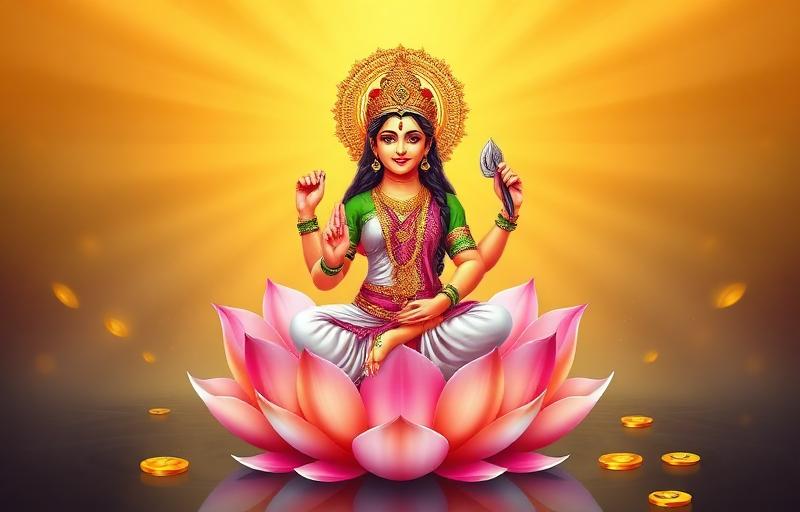
Rahu and Lord Naganathaswamy
Thirunageswaram, near Kumbakonam, is home to a temple dedicated to Lord Shiva worshipped here as Naganathaswamy, alongside his consort Girigujaambika. Within the temple stands the shrine of Rahu, one of the two shadow deities described in Puranic tradition, closely linked to serpent worship at this site.
As the eighth stop of the Navagraha circuit, this temple draws large numbers of devotees, many of whom consider its Rahu shrine among the most memorable stops of the entire pilgrimage in terms of devotional experience.
History and the Legend of Rahu
According to the Puranas, Rahu and Ketu originated from a single being, the demon Svarbhanu, who disguised himself among the gods during the churning of the ocean to drink a share of the nectar of immortality. When Surya and Chandra alerted Lord Vishnu, he severed the demon's head from his body with the Sudarshan Chakra before the nectar could take full effect, but since the nectar had already touched his throat, both parts remained immortal, the head becoming Rahu and the body becoming Ketu.
At Thirunageswaram, Rahu is closely associated with serpent imagery, and the temple's connection to Naganathaswamy, whose name itself relates to serpents, is regarded by devotees as deeply significant to this legend.
The Milk Abhishekam and Its Significance
One of the most striking devotional experiences at this temple is the milk abhishekam offered to the Rahu idol, during which pilgrims describe watching the milk poured over the deity appear to change hue as it flows down, a sight that has drawn devotees from across the country for generations. Temple priests perform this ritual with great reverence, and devotees regard witnessing it as a deeply moving moment of darshan.
Rahu is approached by devotees not with fear but with respect, as one of the celestial deities whose worship is believed to bring a sense of calm and balance when approached with sincere faith.
Darshan Guide
The temple observes a regular daily schedule, and given its popularity, devotees should expect crowds, particularly during the milk abhishekam rituals.
- Devotees are advised to check local timings for the milk abhishekam schedule specifically
- This particular shrine tends to see a steady flow of devotees throughout each day, drawn by its distinctive ritual
- This temple is typically visited toward the latter part of the single-day Navagraha circuit
How to Reach Thirunageswaram
Thirunageswaram lies close to Kumbakonam, which is well connected by rail, with Kumbakonam Railway Station being the nearest major station. The nearest airport is at Tiruchirappalli.
Most devotees include this temple as part of the wider single-day Navagraha circuit, traveling by hired taxi from Kumbakonam.
Mantra and a Devotee's Reflection
Devotees chant 'Om Rahave Namah', meaning 'salutations to Rahu', seeking calm and balance of mind.
The legend of Rahu, born from a moment of overreach at the churning of the ocean, offers devotees a quiet reflection on the value of honesty and restraint. Worship at Thirunageswaram is an act of faith and love, not a transaction.
Reader Questions Answered
What is special about the Rahu shrine at Thirunageswaram?+
The shrine is known for its milk abhishekam ritual, during which pilgrims describe the milk appearing to change hue as it flows over the deity, a sight devotees find deeply moving.
How are Rahu and Ketu connected in Puranic legend?+
According to the Puranas, both originated from the demon Svarbhanu, whose head became Rahu and whose body became Ketu after Vishnu severed them during the churning of the ocean.
Why is this temple associated with serpent worship?+
The presiding deity Naganathaswamy has a name directly connected to serpents, and this association is regarded by devotees as significant to the temple's Rahu shrine.
About the author
Pandit Ravindra Sharma · Vedic Rituals & Bhakti, 22+ years
Pandit Ravindra is the Vandnaa editorial team's resident specialist on aarti, chalisa, and daily devotion. He has performed home and temple pujas across Varanasi and Delhi for over two decades and contributes the bhakti-focused articles on this site.
Meet the Vandnaa editorial team →