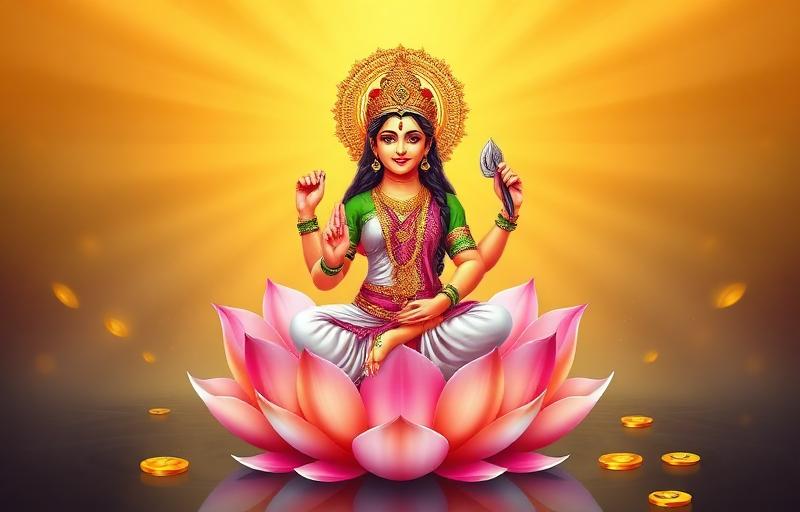
Who is Tripura Sundari
In the tribal heartland of Banswara district in southern Rajasthan stands the ancient Tripura Sundari Temple, affectionately known to local devotees as Turtiya Mata. Tripura Sundari is one of the Dus Mahavidyas, the ten great wisdom forms of the Divine Mother, representing supreme beauty and cosmic power.
Here in Banswara, her worship blends classical Devi tradition with the deep devotion of the region's Bhil and tribal communities, making this temple a rare meeting point of many streams of Shakti worship.
History and Katha
According to tradition, the temple has stood in this region for centuries, its origins tied to the broader worship of Tripura Sundari found across India as part of the Shakta tradition. Local legend holds that the goddess chose this land to bless its people, and her presence here has, over generations, grown into a shared devotion for tribal and non-tribal communities alike.
The temple's continuity through the ages is itself seen by devotees as proof of the goddess's enduring grace over this part of Rajasthan.
Significance and What Devotees Pray For
Devotees come to Turtiya Mata seeking blessings for good health, prosperity and protection of their families. The temple holds particular significance for the tribal communities of the Banswara region, for whom she is a central figure of faith and identity.
As one of the Mahavidyas, Tripura Sundari's worship is also understood in the broader Shakta tradition as a path to spiritual beauty and inner harmony, a reminder that devotion to the Divine Mother uplifts both the outer life and the inner self.
Darshan Guide and Festivals
The temple follows a steady daily rhythm of aarti and darshan, welcoming devotees from the surrounding villages and towns throughout the year. Navratri is celebrated here with particular fervour, drawing large gatherings from across the Banswara region and neighbouring areas due to its proximity to the tri-state border.
Local fairs held through the year add to the temple's lively devotional calendar, often blending classical rituals with regional folk traditions.
How to Reach Banswara
The temple is located in Banswara district of southern Rajasthan, close to the borders of Gujarat and Madhya Pradesh. Banswara town, well connected by road, is the nearest base for travellers, with the nearest railway station and airport located at Udaipur.
The journey to Banswara takes visitors through the scenic hills and lakes of southern Rajasthan, often called the 'city of a hundred islands' for the many small isles dotting its Mahi river reservoirs.
Mantra to Chant and the Takeaway
Devotees chant the beloved mantra of the Mahavidya at her shrine:
"Om Hreem Shreem Kleem Aim Sauh Om Hreem Shreem Kleem Sarva Vashamkari Tripura Sundari" Meaning: A sacred invocation of Tripura Sundari's beauty and power, chanted for grace, harmony and protection.
The blended devotion seen at this temple, where tribal faith and classical Shakta tradition meet, reminds devotees that the Divine Mother welcomes every sincere heart equally. Worship here is an act of faith and love, not a transaction, uniting many communities under one grace.
Reader Questions Answered
Who is Tripura Sundari, worshipped at Banswara as Turtiya Mata?+
She is one of the ten Mahavidyas of the Divine Mother, representing supreme beauty and cosmic power, worshipped here as Turtiya Mata by both tribal and classical devotional traditions.
Why is she called Turtiya Mata locally?+
This is the local, affectionate name devotees of the Banswara region use for Tripura Sundari, reflecting generations of regional devotion.
When is the best time to visit this temple?+
Navratri is celebrated with great fervour here, though the temple welcomes devotees throughout the year with daily aarti and darshan.
About the author
Pandit Ravindra Sharma · Vedic Rituals & Bhakti, 22+ years
Pandit Ravindra is the Vandnaa editorial team's resident specialist on aarti, chalisa, and daily devotion. He has performed home and temple pujas across Varanasi and Delhi for over two decades and contributes the bhakti-focused articles on this site.
Meet the Vandnaa editorial team →