The Goddess and Her Form
Tulja Bhavani is a fierce yet motherly form of Goddess Durga, worshipped as the slayer of demons and the protector of her devotees. Her main idol (murti) is a swayambhu (self-manifested) granite image, shown with eight arms holding weapons and the severed head of the demon Mahishasura. She is the kuldevi (family deity) of countless Maratha families and is invoked for courage, victory and protection.
Location - Tuljapur
The temple stands at Tuljapur in the Osmanabad (Dharashiv) district of Maharashtra, set on a hill in the Balaghat ranges. It is one of the Shakti Peethas and is counted among the three-and-a-half (saade teen) Shakti Peethas of Maharashtra. The town is well connected by road, with Solapur being the nearest major railway and air link, and lakhs of pilgrims climb its steps each year.
History and the Shivaji Katha
According to tradition, the goddess appeared to subdue the demon Kukur (Matanga) who troubled the sage Kardama's family, and she stayed at Tuljapur as Bhavani. The temple is most famous for its bond with Chhatrapati Shivaji Maharaj, whose family worshipped Bhavani as their kuldevi. It is believed the goddess blessed him with the legendary Bhavani Talwar (sword) and guided his mission to establish Swarajya, making the temple a symbol of Maratha valour.
What Makes the Temple Special

A rare feature is that the idol is movable and is taken from its place for ritual nidra (sleep) three times a year - the Ghornidra, Shramnidra and Sukhnidra - a tradition seen at very few shrines. Devotees also receive prasad of turmeric (bhandara) and red cloth, symbols of the warrior goddess. The atmosphere blends fierce Shakti worship with the deep devotion of pilgrim families returning to honour their kuldevi.
Darshan and Timing Tips
The temple usually opens early, around 5 am, with morning and evening aartis, and closes late at night after the final aarti. Weekdays and early mornings are far less crowded than Tuesdays, Fridays and the Navratri season. Carry minimal belongings, follow the queue discipline, and keep footwear and leather items outside, as the climb and the crowds during festivals can be demanding.
Bhavani Mantra
Devotees invoke the goddess with simple, powerful chants:
Om Aim Hreem Kleem Bhavanyai Namah
Many also recite Jai Tulja Bhavani and the Durga mantras and aarti before her. Chanting with a clean heart, especially during Navratri, is believed to grant courage, protection and the strength to overcome difficulties.
Festivals at Tuljapur
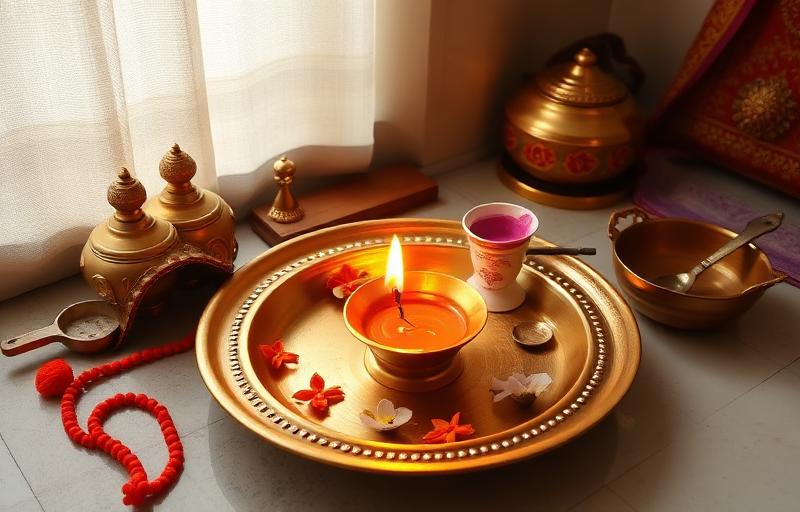
The grandest celebration is Navratri, when the goddess is worshipped for nine nights and lakhs of devotees throng Tuljapur. Vijayadashami (Dussehra) marks her victory over evil and is observed with great fervour. The ritual nidra ceremonies, Gudi Padwa and Chaitra Purnima are also important occasions when the temple comes alive with devotion and traditional festivity.
Common Questions From Devotees
Who is Tulja Bhavani?+
Tulja Bhavani is a fierce form of Goddess Durga worshipped at Tuljapur, Maharashtra. She is a Shakti Peeth deity and the kuldevi of Chhatrapati Shivaji Maharaj and many Maratha families.
What is the Shivaji connection with the temple?+
Bhavani was Shivaji Maharaj's kuldevi. Tradition holds that the goddess blessed him with the famous Bhavani Talwar and guided his mission to establish Swarajya, making the temple a symbol of Maratha valour.
Where is the Tulja Bhavani temple located?+
The temple is at Tuljapur in the Osmanabad (Dharashiv) district of Maharashtra, on a hill in the Balaghat ranges. Solapur is the nearest major rail and air link.
What is special about the idol?+
The idol is a self-manifested granite image and is movable. It is taken for ritual nidra (sleep) three times a year - Ghornidra, Shramnidra and Sukhnidra - a rare tradition seen at very few shrines.
When is the best time to visit?+
Early mornings on weekdays are least crowded. Navratri and Vijayadashami are the most vibrant but extremely busy. The temple opens around 5 am and closes late after the final aarti.
Which mantra is chanted for Tulja Bhavani?+
A common mantra is 'Om Aim Hreem Kleem Bhavanyai Namah'. Many devotees also recite Jai Tulja Bhavani and the Durga mantras and aarti, especially during Navratri.
About the author
Pandit Ravindra Sharma · Vedic Rituals & Bhakti, 22+ years
Pandit Ravindra is the Vandnaa editorial team's resident specialist on aarti, chalisa, and daily devotion. He has performed home and temple pujas across Varanasi and Delhi for over two decades and contributes the bhakti-focused articles on this site.
Meet the Vandnaa editorial team →Explore on Vandnaa
Related Articles
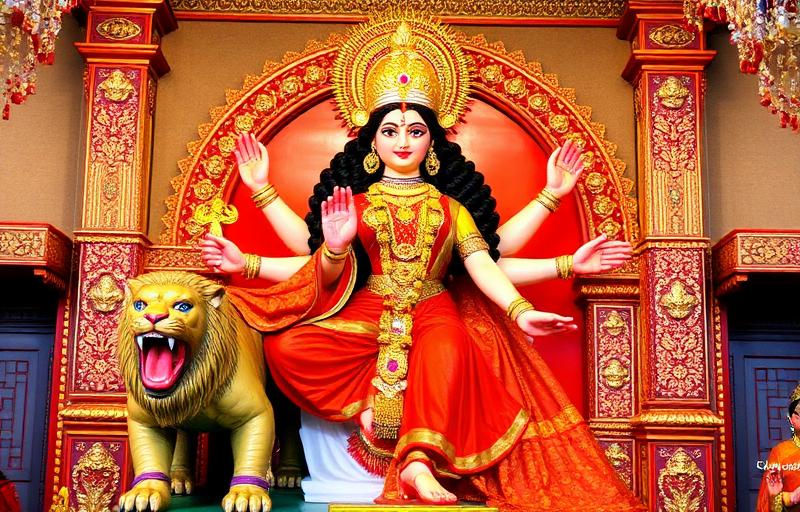
Durga Aarti Lyrics – Ambe Tu Hai Jagdambe Kali (दुर्गा आरती)
8 min read
Vaishno Devi Aarti & Mantra - Significance, Yatra & Puja Vidhi
9 min read
Sharad Navratri 2026: 9 Days Colors, Puja Vidhi, Vrat Rules & Kanya Pujan Guide
10 min read
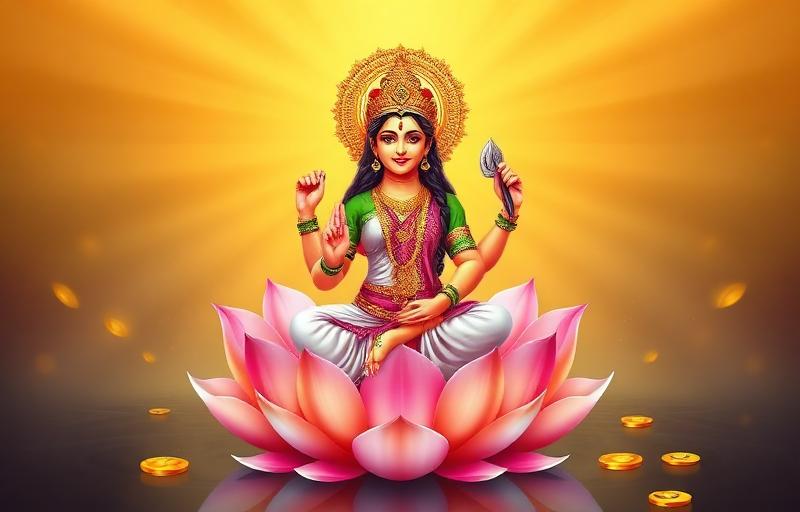
Kolhapur Mahalakshmi Temple - Significance & Darshan
9 min read
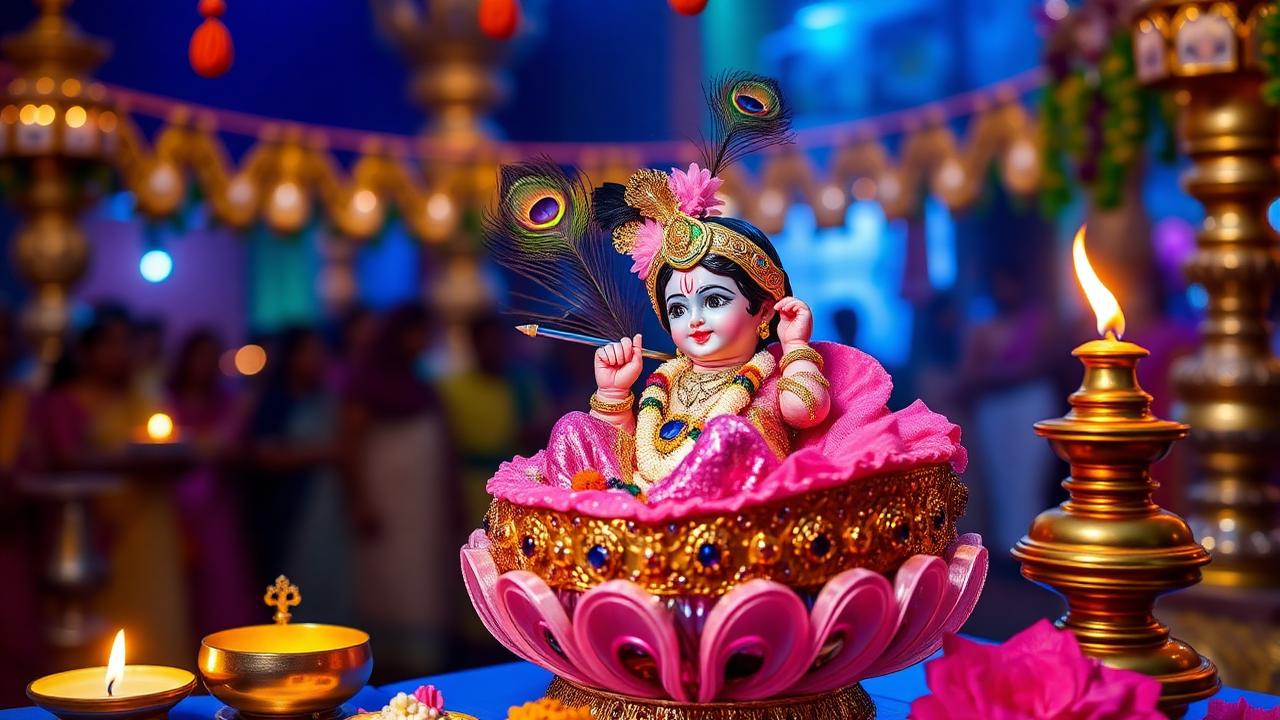
Guruvayur Krishna Temple - Significance & Darshan
9 min read
Srirangam Ranganathaswamy Temple - Significance
10 min read