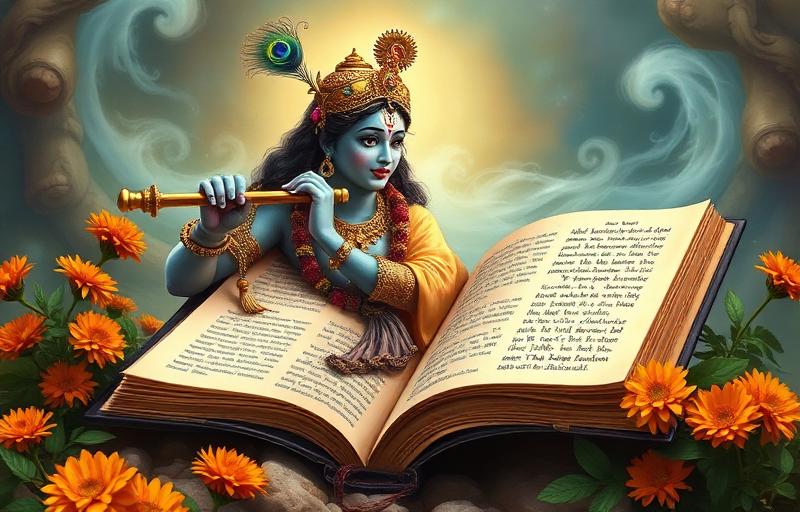
About Tulsidas & His Dohe
Goswami Tulsidas (16th century) was one of the greatest saint-poets of the Bhakti movement, best known for composing the Ramcharitmanas, the beloved retelling of the Ramayana in Awadhi that brought the story of Lord Rama into every home. Beyond this epic, he composed works like the Dohavali, Vinaya Patrika and Kavitavali, rich with dohe - short two-line couplets.
A doha packs deep wisdom into just two lines, easy to remember and recite. Tulsidas's dohe speak of devotion to Rama, humility, the value of good company, the power of the divine name, and how to live with virtue in a difficult world. Written with a devotee's heart, they remain part of everyday speech in the Hindi-speaking world, quoted to teach, comfort and guide. Here we share a few well-loved couplets with their meaning.
Famous Dohe & Their Meaning
- 'Tulsi saathi vipatti ke, vidya vinay vivek. Sahas sujasu sunritta sam, sahay dharam ki tek.' - Tulsidas says our true companions in times of trouble are knowledge, humility, discernment, courage, good repute, truthfulness and the support of dharma. Lesson: cultivate inner virtues, for they stand by us when nothing else does.
- 'Tulsi meethe vachan te, sukh upjat chahu or. Vashikaran ik mantra hai, parihu bachan kathor.' - Sweet words bring happiness all around and are a mantra that wins hearts; so give up harsh speech. Lesson: kind words are a simple power that heals and unites.
- 'Dhira dhira re mana, dhira sab kuchh hoy. Mali seenche sau ghara, ritu aaye phal hoy.' (in Tulsi's spirit) - Be patient, O mind; all things happen in their time. A gardener may pour a hundred pots of water, but fruit comes only in its season. Lesson: patience and faith in divine timing.
- 'Ram naam mani deep dharu, jeeh dehari dwaar. Tulsi bhitar baaharahun, jaun chahasi ujiyaar.' - Place the jewel-lamp of Rama's name on the threshold of your tongue; then, Tulsi says, there will be light both within and without. Lesson: the divine name illumines the whole of life.
Living the Wisdom of Tulsidas
The beauty of Tulsidas's dohe is that their wisdom fits gently into everyday life:
- Speak sweetly: His teaching on kind words reminds us that gentleness costs nothing yet wins hearts and spreads peace at home and work.
- Stay humble and virtuous: He praises vidya, vinay and vivek - learning, humility and discernment - as the qualities that truly protect us.
- Be patient: Like the gardener waiting for fruit in season, we learn to do our duty and trust the timing of the Divine.
- Remember the name: Above all, Tulsidas points to Ram naam - the remembrance of God - as the lamp that lights the whole of life, a simple and powerful practice for anyone.
- Keep good company: Many of his dohe praise satsang, the company of the good, as the surest way to grow in virtue.
Reciting and reflecting on even one doha a day can quietly shape the heart. These couplets are a treasured part of our devotional heritage, offered to inspire a life of faith, kindness and wisdom.
Reader Questions Answered
Who was Tulsidas and what are his dohe?+
Goswami Tulsidas was a 16th-century saint-poet of the Bhakti movement, best known for the Ramcharitmanas. His dohe are short two-line couplets, found in works like the Dohavali and Vinaya Patrika, that convey deep wisdom on devotion to Rama, humility, good company and virtuous living.
What is the meaning of Tulsidas's doha on sweet words?+
The doha 'Tulsi meethe vachan te, sukh upjat chahu or...' means that sweet, kind words bring happiness all around and are like a mantra that wins hearts, so one should give up harsh speech. Its lesson is that gentle speech is a simple power that heals relationships and spreads peace.
Why are Tulsidas ke dohe still popular today?+
They pack deep, practical wisdom into just two easy-to-remember lines, on themes like kind speech, humility, patience, good company and remembrance of God. This timeless guidance fits everyday life, which is why the dohe remain part of everyday speech and are quoted to teach, comfort and inspire.
About the author
Anjali Mehta · Editor, M.A. Religious Studies
Anjali is the managing editor for Vandnaa and oversees the festival and vrat coverage. She holds an M.A. in Religious Studies and reviews every published article for accuracy, accessibility, and tradition-fidelity.
Meet the Vandnaa editorial team →