What Is Dhyana (Meditation)
Dhyana is the seventh limb of Patanjali's Ashtanga Yoga - the uninterrupted flow of attention toward a single object, thought or the inner Self. It is not about emptying the mind by force but about gently training it to rest in one place until stillness arises on its own. Regular dhyana is believed to calm restless thoughts, steady the breath and slowly reveal the peace that lives within. Different temperaments suit different methods, so the tradition offers many doorways into the same inner silence.
Mantra Japa Meditation
In mantra japa, the mind rests on the repetition of a sacred sound or name. Common choices are Om, Om Namah Shivaya, the Gayatri Mantra or Hare Krishna. How to practise:
1. Sit comfortably with a straight spine and close your eyes. 2. Hold a japa mala of 108 beads, or simply count silently. 3. Repeat the mantra slowly, in tune with your breath. 4. When the mind wanders, gently return to the sound.
The steady vibration anchors attention and fills the mind with calm devotion.
Trataka - Steady Gazing
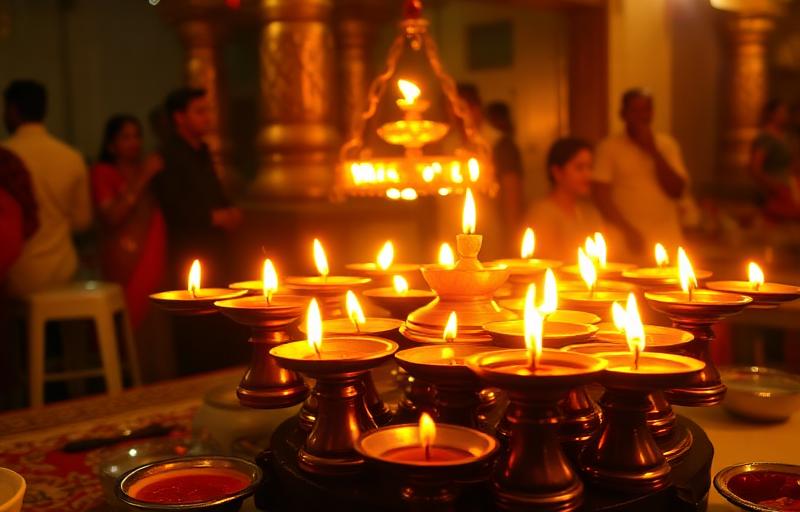
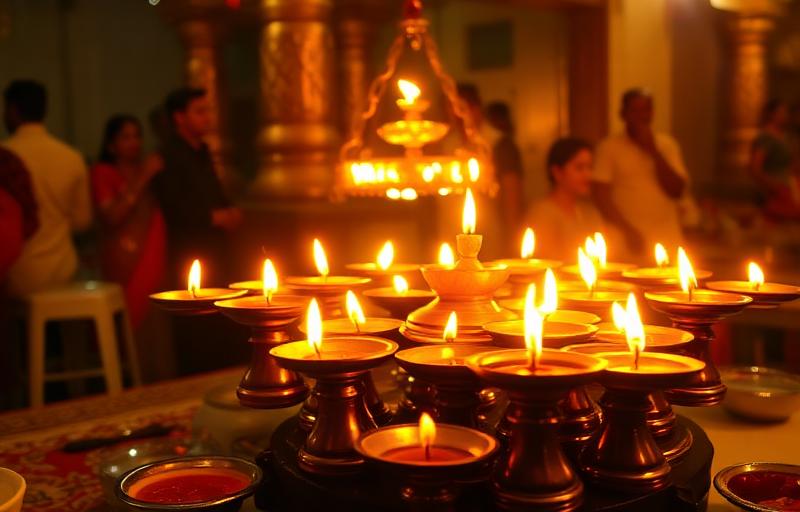
Trataka is meditation through unwavering gaze, often upon a ghee lamp flame, a dot, or an image of one's ishta devata. Sit in a darkened room, place the flame at eye level about an arm's length away, and gaze softly without blinking for as long as is comfortable. Then close your eyes and watch the after-image at the brow centre. Practised gently, trataka is traditionally said to sharpen concentration and steady the wandering mind. Stop if the eyes feel strained.
Breath Awareness (Anapana)
Anapana is the simple, universal practice of watching the natural breath. Sit quietly and bring your attention to the gentle touch of air at the nostrils, or to the rise and fall of the belly. Do not control the breath - only observe it as it flows in and out. Each time the mind drifts, return to the next breath without judgement. This method needs no props and is one of the safest and most accessible doorways into meditation for beginners.
Mindfulness and Chakra Meditation
Mindfulness (sakshi bhava) is the practice of witnessing thoughts, feelings and sensations as they arise, without clinging or pushing away - watching the mind like a calm observer. Chakra meditation turns attention to the body's energy centres, from the muladhara at the base to the sahasrara at the crown, often with a seed sound such as Lam, Vam, Ram, Yam, Ham and Om. Both deepen self-awareness and bring a sense of inner balance when practised regularly and gently.
Guided Meditation
In guided meditation, a teacher's voice or a recording leads you step by step - relaxing the body, settling the breath, and gently directing the mind through visualisation or remembrance of the divine. This is ideal for beginners who find it hard to sit alone, as the guidance keeps attention from wandering. Choose a calm, devotional recording, sit comfortably, and simply follow the instructions with a relaxed and trusting heart.
Choosing a Method and Daily Tips
There is no single best method - choose the one your heart settles into most easily. Start with 5 to 10 minutes at the same time and place each day, ideally early morning or before sleep. Keep the spine upright, the body relaxed, and be patient and kind with a wandering mind, as drifting is natural. Consistency matters far more than duration, and over weeks the stillness deepens on its own.
Frequently Asked Questions
What is dhyana in Hinduism?+
Dhyana is meditation, the seventh limb of Patanjali's Ashtanga Yoga. It is the steady, uninterrupted flow of attention toward a single object, sound or the inner Self until stillness arises naturally.
Which type of meditation is best for beginners?+
Breath awareness (anapana) and mantra japa are the gentlest and safest for beginners. They need no props, calm the mind quickly, and can be practised in just 5 to 10 minutes a day.
How long should I meditate each day?+
Begin with 5 to 10 minutes daily and increase slowly as you feel comfortable. Consistency at a fixed time matters far more than a long but irregular session.
What is trataka meditation?+
Trataka is meditation through steady, soft gazing at a fixed point such as a ghee lamp flame or an image, then closing the eyes to watch the after-image. It is traditionally said to sharpen concentration.
Is it normal for the mind to wander during meditation?+
Yes, a wandering mind is completely natural. The practice is simply to notice the drift and gently return to the breath, mantra or object - without frustration. This gentle return is meditation itself.
What is the best time to meditate?+
Early morning (brahma muhurta) is considered ideal, when the mind is calm and the surroundings quiet. Before sleep is also good. The key is to keep a fixed, regular time each day.
About the author
Acharya Vinaya Kapoor · M.A. Sanskrit, Mantra & Stotra Studies
Acharya Vinaya holds an M.A. in Sanskrit from Banaras Hindu University and writes the mantra and stotra commentary on Vandnaa. Her focus is on accurate pronunciation, traditional context, and helping modern readers connect with classical texts.
Meet the Vandnaa editorial team →Explore on Vandnaa
Related Articles

How to Start Your Spiritual Journey - Beginners Guide
9 min read
Sattvic, Rajasic & Tamasic Food (3 Gunas Diet)
9 min read
Gayatri Mantra Meaning, Benefits & How to Chant (गायत्री मंत्र)
12 min read
Om Namah Shivaya Mantra Benefits & Meaning (ॐ नमः शिवाय)
9 min read
Maha Mrityunjaya Mantra: Meaning & Benefits (महा मृत्युंजय मंत्र)
9 min read
Types of Karma - Sanchit, Prarabdha & Kriyaman
9 min read