What Is Upanayanam
Upanayanam, meaning "leading near" or "bringing close", is the samskara in which a young student is formally brought to a guru and initiated into the study of the Vedas. It is best known for the giving of the yagnopaveet or sacred thread, worn diagonally across the chest, which is why the ceremony is popularly called the "sacred thread ceremony" or Janeu sanskar.
Traditionally performed in childhood or early youth, Upanayanam is regarded as a kind of second birth, a spiritual one, after which the student is called "dwija" or twice-born, recognising that this initiation opens a new life of learning and discipline alongside the physical birth already received.
Origin and Tradition
The Vedas and Grihya Sutras describe Upanayanam as the gateway to formal Vedic education, when a boy left the comfort of home to live with and learn from a guru, a period known as gurukul vasa. The sacred thread's three strands are traditionally understood to represent debts or duties owed to the sages, ancestors and the divine, worn as a constant reminder of these responsibilities.
Many revered teachers and sages in tradition are described undergoing Upanayanam before beginning their long years of study, underscoring how central this rite was considered to a life of learning and dharma.
Significance and Symbolism
As per tradition, Upanayanam marks the point where a child is considered ready to take on responsibility, discipline and the pursuit of knowledge. The sacred thread is not decorative but a daily reminder of one's duties, to study, to live truthfully and to honour one's teachers and ancestors.
The ceremony also includes the whispering of the Gayatri Mantra by the guru or father into the student's ear, a mantra devotees consider among the most sacred, invoking the light of wisdom. This moment is often considered the spiritual heart of the whole ceremony.
- The thread has three strands, understood as representing duties to sages, ancestors and the divine
- The Gayatri Mantra initiation is central to the rite
- The student may symbolically request alms (bhiksha) from relatives, a lesson in humility
- A staff (danda) is sometimes given, symbolising the discipline of a spiritual seeker
How It Is Observed Today
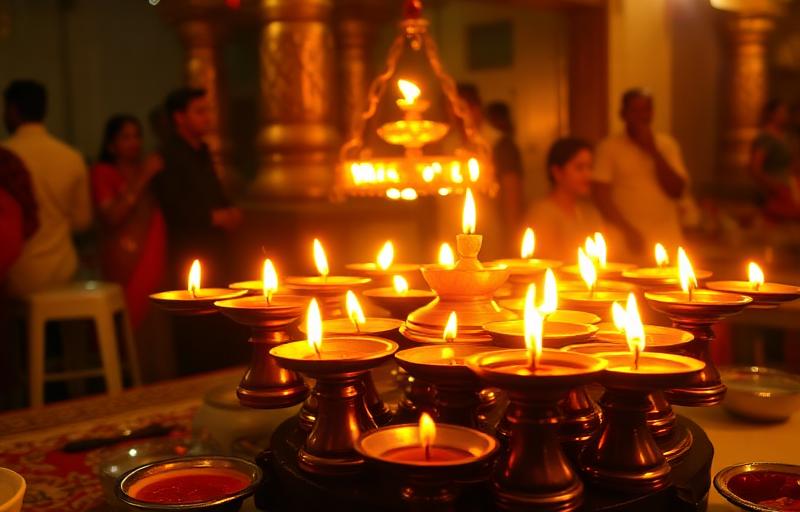
Upanayanam continues to be observed in many communities, particularly in South India, often combined today with other family celebrations for convenience. The ceremony typically involves a priest, close family and sometimes the wider community, with the sacred thread renewed periodically thereafter, especially on occasions like Rakshabandhan or before major rituals.
While the rite historically marked boys entering gurukul education, some modern families choose to adapt or extend similar blessing ceremonies for daughters as well, reflecting evolving family customs alongside the core tradition.
A Devotional Takeaway
Upanayanam reminds devotees that true education begins with humility and reverence for knowledge as sacred. The Gayatri Mantra, Om Bhur Bhuvah Swah, Tat Savitur Varenyam, Bhargo Devasya Dhimahi, Dhiyo Yo Nah Prachodayat (we meditate on the glory of the divine light, may it illumine our minds), offered at this rite, remains a prayer for wisdom that devotees continue to chant throughout life.
This sanskar, like all others, is ultimately an act of faith and love, not a transaction, a family's way of dedicating a child's mind to the pursuit of truth and light.
Common Questions From Devotees
What is the significance of the sacred thread in Upanayanam?+
The sacred thread's three strands are traditionally understood as a reminder of duties owed to sages, ancestors and the divine, worn as a daily symbol of discipline and responsibility.
What mantra is given during Upanayanam?+
The Gayatri Mantra is traditionally whispered into the student's ear by the guru or father, considered a central and deeply sacred part of the ceremony.
Is Upanayanam still practiced today?+
Yes, it continues in many communities, particularly in South India, often adapted to modern family life while retaining its core devotional meaning.
About the author
Anjali Mehta · Editor, M.A. Religious Studies
Anjali is the managing editor for Vandnaa and oversees the festival and vrat coverage. She holds an M.A. in Religious Studies and reviews every published article for accuracy, accessibility, and tradition-fidelity.
Meet the Vandnaa editorial team →