What Is Vidyarambha
Vidyarambha, meaning "the beginning of knowledge", is the samskara that marks a child's first formal introduction to learning, letters and numbers. In many regions it is also called Aksharabhyasam, when a child traces their first letters, often in a tray of rice or sand, guided by an elder's hand.
Unlike Upanayanam, which is tied to Vedic study, Vidyarambha is a broader, gentler rite observed for children of all backgrounds as they take their earliest steps into formal education, usually performed around the age of three to five.
Origin and Saraswati's Blessing
This samskara is deeply tied to the worship of Goddess Saraswati, the deity of knowledge, music and wisdom, whose blessing is invoked before the child writes a single letter. Many families choose Basant Panchami, the festival dedicated to Saraswati, as the day for a child's Vidyarambha, believing that beginning education under her direct grace sets a fortunate path for learning.
Sages held that knowledge itself is sacred, not merely a tool for worldly success, and that a child's education should therefore begin with humility and reverence rather than pressure or ambition.
How the Ceremony Is Performed
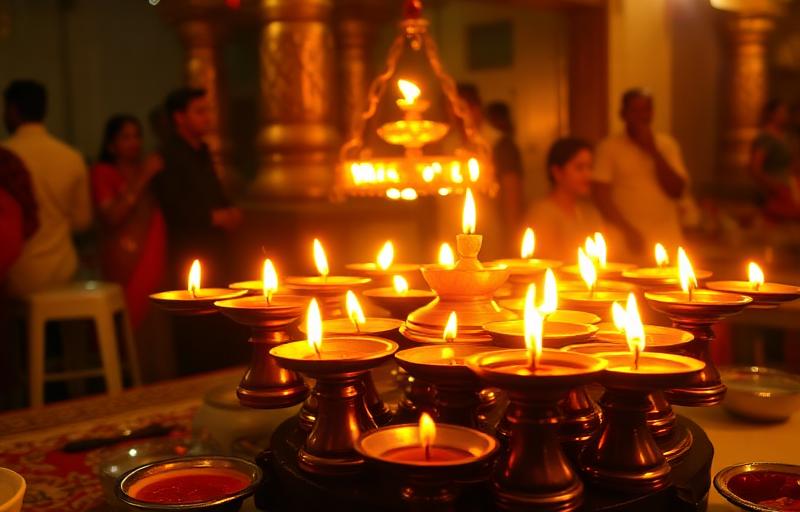
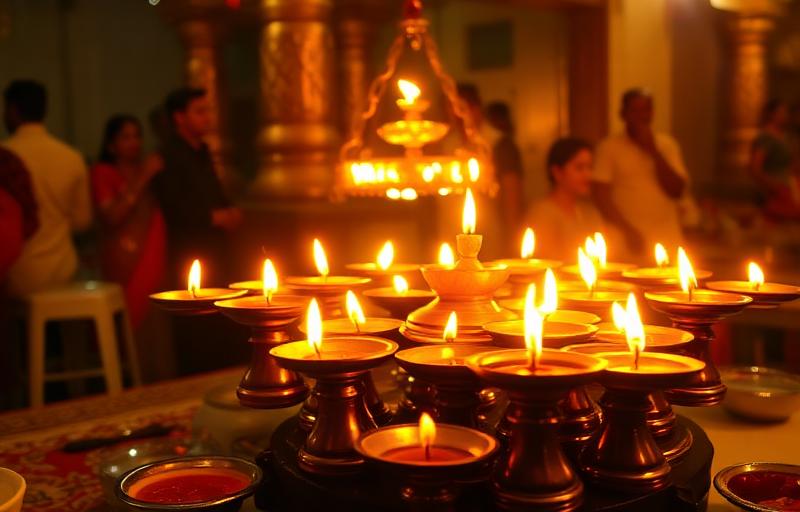
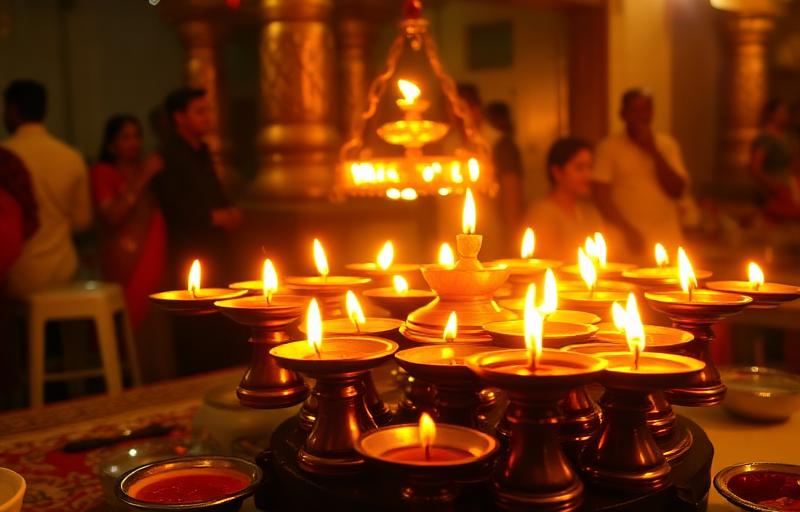
The ceremony usually begins with a small puja to Ganesha, remover of obstacles, followed by prayers to Saraswati. An elder guides the child's finger to trace the first letters, often "Om" or the opening syllables of the child's mother tongue, in a plate of rice, turmeric-coloured grain or sand.
- Ganesha is invoked first, for an obstacle-free start
- Saraswati is prayed to for wisdom and clarity of mind
- The child traces the first letters with a guiding hand
- Sweets and small gifts often mark the happy occasion
Many schools and families today still perform a simple version of this ceremony when a child begins preschool, showing how this ancient sanskar continues quietly in modern life.
Significance for the Child's Journey

As per tradition, Vidyarambha plants the seed of a lifelong respectful relationship with knowledge, learning is treated as a gift, not merely an obligation. The ceremony reminds parents too, that a child's education is a shared spiritual responsibility, best begun with blessing rather than anxiety.
Devotees believe that a child who begins learning under Saraswati's grace carries that quiet blessing through years of schooling, exams and beyond, a comforting thought many parents hold onto during a child's academic life.
A Devotional Takeaway
Vidyarambha teaches that the first step in any child's education can be an act of devotion. The simple prayer Saraswati Namastubhyam, Varade Kama Rupini, Vidyarambham Karishyami, Siddhir Bhavatu Me Sada (salutations to Saraswati, granter of wishes, I begin my learning, may it always be fruitful) is often recited at this rite.
This sanskar, like all others, is ultimately an act of faith and love, not a transaction, a family's way of placing a child's mind in the light of wisdom from the very first day.
Frequently Asked Questions
Which deity is invoked during Vidyarambha?+
Goddess Saraswati, the deity of knowledge and wisdom, is invoked, along with Ganesha at the start for an obstacle-free beginning.
Why is Basant Panchami a popular day for Vidyarambha?+
Basant Panchami is dedicated to Goddess Saraswati, and families believe beginning a child's education on this day invokes her direct blessing for learning.
At what age is Vidyarambha usually performed?+
It is typically performed when a child is around three to five years old, marking their first formal step into learning letters and numbers.
About the author
Pandit Mahesh Trivedi · Festival Traditions & Panchang
Pandit Mahesh leads the festival-date and Panchang content on Vandnaa. He cross-references multiple regional panchangs (Drik, Vaishnava, Bengali, Marathi) for every festival date published on the site.
Meet the Vandnaa editorial team →