What is Utpanna Ekadashi? The Birth of the Ekadashi Vrat
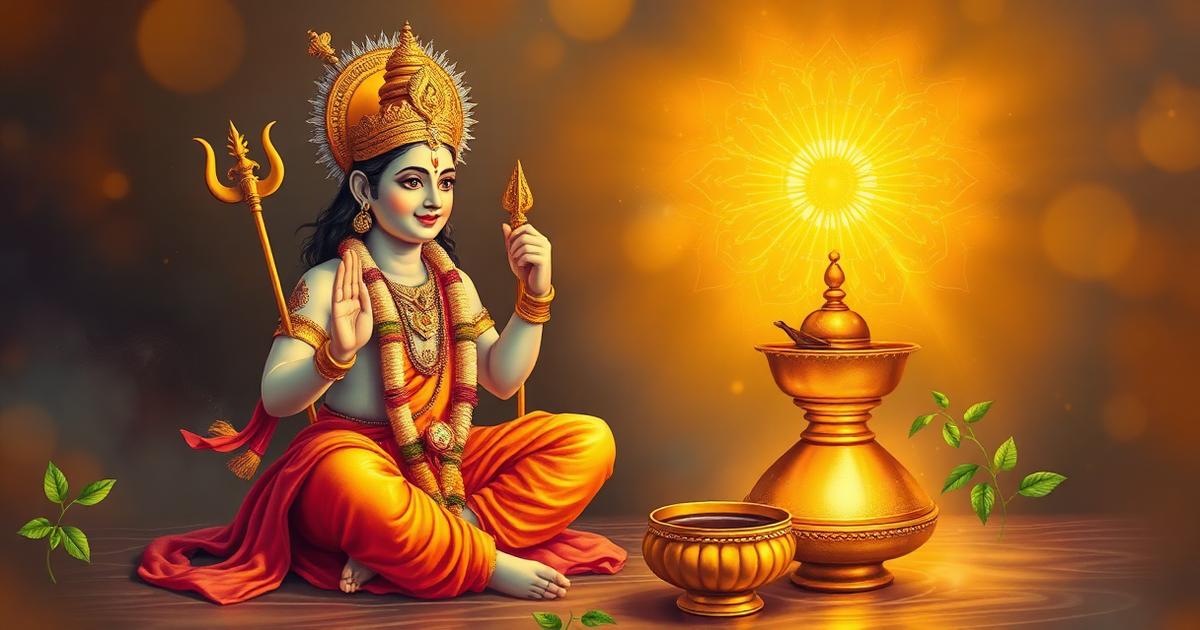
Utpanna Ekadashi is the most foundational of all twenty-four Ekadashis in the Hindu year. The word Utpanna means "born" or "originated", and this is literally the day Ekadashi Devi herself took birth. According to the Padma Purana and the Bhavishyottara Purana, a radiant goddess emerged from the body of Lord Vishnu on this tithi to slay the demon Mura. Pleased with her, the Lord blessed her with the name Ekadashi and declared that anyone who fasts on this tithi would be freed from sins and become dear to Him. Every other Ekadashi vrat - from Saphala to Nirjala - flows from this single moment. That is why tradition holds that a devotee wishing to begin the Ekadashi vrat for the very first time should ideally start with Utpanna Ekadashi, honouring the day the vrat itself was born.
Utpanna Ekadashi 2026 Tithi and Date
Utpanna Ekadashi falls on Margashirsha Krishna Ekadashi - the eleventh day of the dark fortnight of the Margashirsha month. On the Gregorian calendar this usually arrives in November or December, and in 2026 it falls in this same late-November to early-December window. Because Ekadashi tithi timings shift with the lunar calendar, the exact fasting day can differ by a day between Smarta and Vaishnava traditions, and the parana window changes every year. Please confirm the exact date, your vrat day and the precise parana window for your city on the Vandnaa Panchang before observing the fast. Margashirsha itself is a deeply sacred month - in the Bhagavad Gita, Lord Krishna says "masanam margashirsho 'ham" - among months, I am Margashirsha. Observing the origin Ekadashi in the Lord's own favourite month is considered doubly auspicious. If you are travelling, remember that parana follows local sunrise, so always check the Panchang for the city where you will actually break the fast.
Significance - Why Utpanna Ekadashi is the Ideal First Ekadashi
The scriptures give Utpanna Ekadashi a unique position. Since Ekadashi Devi was born on this day, fasting on it is said to carry the combined merit of charity, pilgrimage and yajna. The Padma Purana states that the fruit of this vrat exceeds even bathing in sacred rivers, because the devotee directly honours the goddess of the tithi itself. For new vratis there is also a practical wisdom here - beginning the yearly cycle at its origin point creates a complete circle of all twenty-four Ekadashis. Devotees believe this vrat destroys the sins of past lives, removes the fear of untimely death and grants steady bhakti towards Lord Vishnu. It is also considered especially powerful for those seeking forgiveness for past mistakes, since the katha itself is the story of evil being destroyed and grace being born in its place.
Utpanna Ekadashi Vrat Katha - Ekadashi Devi and the Demon Mura
In Satya Yuga, a terrifying demon named Mura conquered the heavens, drove out Indra and tormented the devas. The devas approached Lord Vishnu, who battled Mura for a very long time. When the fight stretched on, the Lord withdrew to a cave called Himavati in Badrikashram to rest in yoga nidra. Mura followed, and seeing the Lord asleep, raised his weapon to strike. At that instant, a dazzling goddess armed with divine weapons emerged from the Lord's own body. She fought Mura and slew him with a single resounding roar. When Lord Vishnu awoke, he was delighted and asked who had protected him. The goddess bowed, and the Lord said - "You were born on the Ekadashi tithi, so you shall be known as Ekadashi. Whoever observes a fast on this day will be freed from all sins and will attain my supreme abode." Thus began the Ekadashi vrat.
Step-by-Step Utpanna Ekadashi Vrat Vidhi
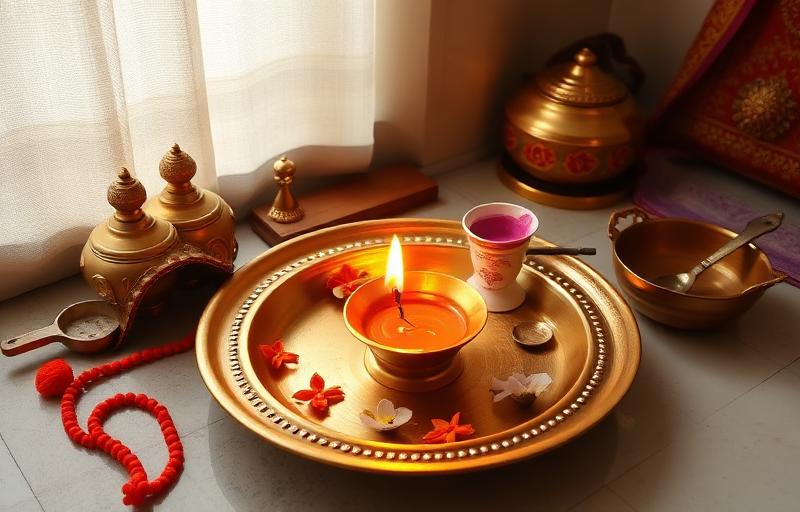
Follow this simple vidhi, especially if this is your first Ekadashi: 1. On Dashami evening, eat one light sattvik meal before sunset. Avoid rice, onion and garlic. 2. On Ekadashi morning, wake in Brahma muhurta, bathe and take sankalpa - hold water in your right palm and resolve to observe the vrat for the Lord's pleasure. 3. Set up a clean altar with an image of Lord Vishnu or Krishna. Offer water, flowers, tulsi dal, fruits, panchamrit and light a ghee diya. 4. Read or listen to the Utpanna Ekadashi katha and chant Vishnu mantras or the Vishnu Sahasranama. 5. Fast as per capacity - nirjala (without water), phalahar (fruits and milk) or one grain-free meal. Rice and grains are strictly avoided. 6. In the evening, do aarti and keep a night vigil (jagran) with bhajan and kirtan if possible. 7. On Dwadashi morning, bathe, offer puja, feed a brahmin or someone in need, then do parana within the prescribed window.
Mantras for Utpanna Ekadashi
Chanting on Ekadashi multiplies the fruit of japa. Begin with the simplest and most beloved Vishnu mantra: ॐ नमो भगवते वासुदेवाय Om Namo Bhagavate Vasudevaya - I bow to Lord Vasudeva, the all-pervading divine. Chant this 108 times on a tulsi mala. You may also recite the mangal shloka: मंगलं भगवान विष्णुः, मंगलं गरुडध्वजः। मंगलं पुण्डरीकाक्षः, मंगलाय तनो हरिः॥ Mangalam Bhagavan Vishnuh, Mangalam Garudadhwajah, Mangalam Pundarikakshah, Mangalaya Tano Harih - Auspicious is Lord Vishnu, auspicious is the one whose banner bears Garuda, auspicious is the lotus-eyed Lord; may Hari bestow auspiciousness upon us. If time permits, a full recitation of the Vishnu Sahasranama on this day is considered especially meritorious, since the vrat itself was born from the Lord's own body. Try to spread your japa through the day rather than finishing it in one sitting - a few rounds in the morning, at noon and after evening aarti keep the mind anchored in the Lord's name.
Parana Rules and Benefits of Utpanna Ekadashi Vrat

Parana - breaking the fast - must be done on Dwadashi, the day after Ekadashi, after sunrise and before the Dwadashi tithi ends. The fast should not be broken during Hari Vasara, the first quarter of Dwadashi. Break the fast gently with tulsi water, fruits or a light sattvik meal, ideally after offering food to a brahmin or someone in need. The exact parana window changes every year and by city, so check the Vandnaa Panchang for your precise timing. The benefits described in the Purana are profound - destruction of accumulated sins, freedom from fear, fulfilment of righteous wishes and the steady growth of devotion. Most importantly, completing Utpanna Ekadashi gives a new vrati the confidence and the blessing of Ekadashi Devi herself to continue the full yearly cycle of twenty-four Ekadashis. If feeding a brahmin is not possible, give grain or fruit to anyone in need - nourishing others on Dwadashi is itself part of the vrat.
Reader Questions Answered
Why is Utpanna Ekadashi called the origin of all Ekadashis?+
Because Ekadashi Devi herself was born on this tithi. She emerged from Lord Vishnu's body to slay the demon Mura, and the pleased Lord declared that fasting on Ekadashi would free devotees from sin. Every other Ekadashi vrat in the year traces back to this moment, which is why Utpanna is called the origin Ekadashi.
Is Utpanna Ekadashi a good first Ekadashi for beginners?+
Yes. Tradition specifically recommends beginning the Ekadashi vrat cycle with Utpanna Ekadashi, since this is the day the vrat itself was born. Starting here lets you complete a full circle of all twenty-four Ekadashis. Beginners can also keep a gentler phalahar fast instead of nirjala.
What can I eat during Utpanna Ekadashi fast?+
If you keep a phalahar fast, you may take fruits, milk, curd, dry fruits, sabudana, singhara or kuttu flour preparations and rajgira. Rice, wheat, lentils, beans and all grains are strictly avoided, along with onion and garlic. Nirjala vratis take neither food nor water.
When should I do parana for Utpanna Ekadashi 2026?+
Parana is done on Dwadashi, the morning after the fast, after sunrise and before Dwadashi tithi ends, avoiding the Hari Vasara period. Since the exact window changes by year and city, confirm your precise parana time on the Vandnaa Panchang.
Can pregnant women, the elderly or the unwell observe this vrat?+
Yes, with adaptations. Shastra permits phalahar or even a single grain-free meal for those who cannot fast fully. The essence of Ekadashi is remembrance of Lord Vishnu, not bodily hardship. Such devotees should focus on japa, katha shravan and avoiding rice and grains, while keeping their health safe.
Is night jagran compulsory on Utpanna Ekadashi?+
Jagran with bhajan and kirtan greatly enhances the vrat's fruit, but it is not compulsory. If you cannot stay awake the whole night, spend the evening in aarti, katha and japa, sleep on a clean simple bed, and remember the Lord before sleeping. Sincerity of bhav matters more than sleepless hours.
About the author
Pandit Mahesh Trivedi · Festival Traditions & Panchang
Pandit Mahesh leads the festival-date and Panchang content on Vandnaa. He cross-references multiple regional panchangs (Drik, Vaishnava, Bengali, Marathi) for every festival date published on the site.
Meet the Vandnaa editorial team →