Virupaksha Temple: Living Worship Amid the Ruins
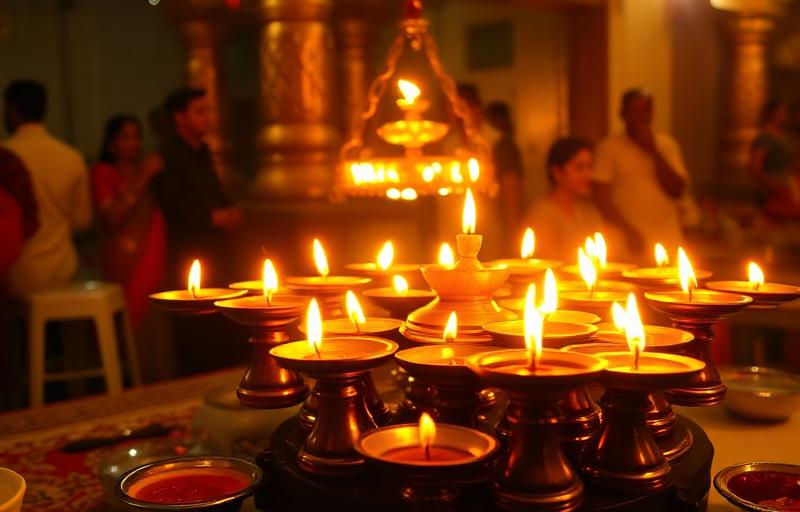
The Virupaksha Temple stands on the banks of the Tungabhadra river at Hampi in Karnataka, dedicated to Virupaksha, a form of Shiva, worshipped together with his consort Pampa, after whom the region's old name Pampakshetra is derived. It is one of the oldest continuously functioning temples in India, its worship unbroken even through the centuries of Hampi's rise and fall.
Today, Hampi's temples and monuments together form a UNESCO World Heritage Site, but Virupaksha remains distinct among them as an active place of daily worship rather than only a monument to the past.
The Legend of Pampa and Virupaksha
Tradition tells that Pampa, daughter of Brahma in one telling, performed severe penance on the banks of the Tungabhadra to win Shiva as her husband. Pleased by her devotion, Shiva appeared before her as Virupaksha and married her at this very spot, and the region came to be sacred to both as Pampakshetra, later evolving into the name Hampi.
The temple's presence here long predates the grand Vijayanagara empire that later rose around it, and it was the Vijayanagara rulers themselves who expanded the shrine into the impressive complex seen today, even as they made Hampi their capital.
Why Virupaksha Endures as a Living Shrine
When the Vijayanagara empire fell in the sixteenth century and much of Hampi was left in ruins, Virupaksha Temple's worship continued uninterrupted, a fact devotees hold as testimony to the enduring power of faith beyond the rise and fall of empires. The temple's towering gopura, visible from across the ruins, remains a landmark for pilgrims approaching Hampi.
A well-documented feature within the temple is a small opening in one chamber through which sunlight casts an inverted image of the main gopura onto an inner wall, an effect devotees and visitors alike find striking, and which reflects the careful architectural knowledge of its builders.
Darshan Guide: Timings and the Chariot Festival

The temple observes regular morning and evening darshan hours, and pilgrims often combine their visit with a walk through the surrounding Hampi Bazaar and the wider monument complex. The temple's annual chariot festival, when the deity is taken in procession through the temple car street, draws large crowds and is among the most vivid traditions still practised at Hampi.
Given Hampi's scale, visitors are advised to set aside time not only for the temple itself but for the wider heritage site around it.
How to Reach Hampi
Hosapete (Hospet) Junction, a few kilometres from Hampi, is the nearest major railway station, well connected to Bengaluru and Hyderabad. Bengaluru and Hubballi serve as the more common air gateways for pilgrims, followed by a road journey to Hampi, with regular buses and taxis running from Hosapete town.
A Simple Prayer and the Takeaway
Devotees at Virupaksha often chant Om Namah Shivaya, a simple salutation offered here to Shiva in his form as Pampa's own Virupaksha.
Virupaksha Temple reminds devotees that while empires and monuments may fall to time, sincere worship, carried faithfully from one generation to the next, can remain unbroken. A visit here is an offering of faith amid history, not a transaction.
Common Questions From Devotees
Why is Virupaksha Temple called a living temple?+
Its worship has continued without interruption for centuries, including through the fall of the Vijayanagara empire, unlike most of the surrounding Hampi monuments which now stand as ruins.
Who is Virupaksha and who is Pampa?+
Virupaksha is a form of Shiva, and Pampa is his consort, said to have won him as her husband here through severe penance, giving the region its old name, Pampakshetra.
How do I reach Virupaksha Temple in Hampi?+
Hosapete Junction is the nearest railway station, a short road journey from Hampi, while Bengaluru and Hubballi are the more common air gateways for pilgrims travelling from further away.
About the author
Pandit Ravindra Sharma · Vedic Rituals & Bhakti, 22+ years
Pandit Ravindra is the Vandnaa editorial team's resident specialist on aarti, chalisa, and daily devotion. He has performed home and temple pujas across Varanasi and Delhi for over two decades and contributes the bhakti-focused articles on this site.
Meet the Vandnaa editorial team →