The Practice: A Morning Walk Around Tulsi
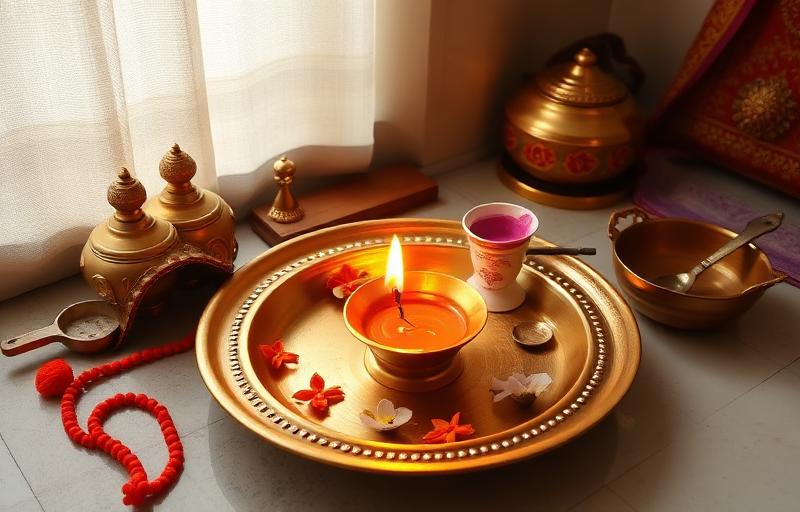
In countless Hindu homes, the day begins with a small, quiet ritual at the courtyard or balcony, watering the tulsi plant and walking around it a few times, known as tulsi parikrama. This is often followed by a short prayer, and in the evening the same spot usually sees a diya lit beside the plant.
The tulsi plant is typically grown in a small raised platform called a tulsi chaura or vrindavan, giving it a place of honour separate from other household plants.
Why Tulsi Holds Such a Sacred Place
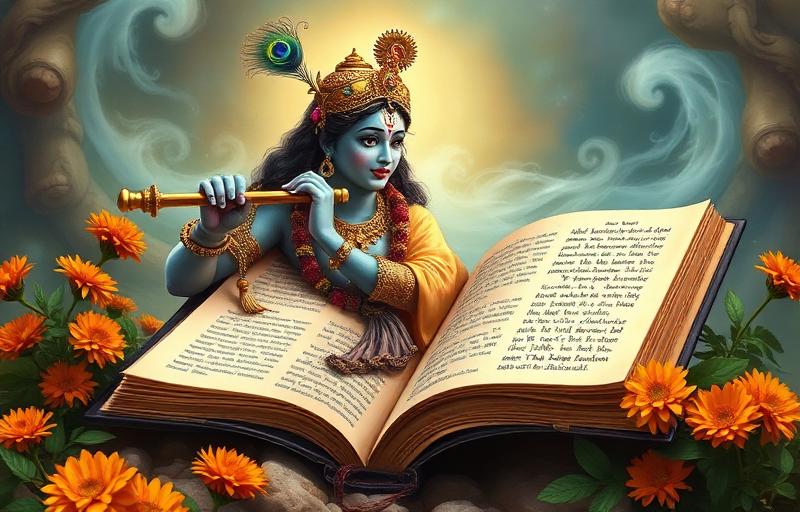
Tulsi is regarded as the most sacred plant in Hindu tradition, considered dear to Lord Vishnu and honoured in devotional lore as Vrinda, or Tulsi Devi, herself. It is said that no puja to Vishnu or Krishna is considered complete without a tulsi leaf offered alongside the other items.
This reverence is why so many Hindu households traditionally keep a tulsi plant in the courtyard rather than simply among other garden plants, treating its presence as a living, daily connection to the divine rather than mere decoration.
What the Daily Parikrama Represents
Pradakshina, or circumambulation, is a widely practiced form of worship in Hindu tradition, symbolizing the placing of the divine at the very center of one's life while moving around it in reverence. Performing this around the tulsi plant each day brings that same symbolism into an intimate, everyday setting.
This small daily act combines purity, health, and devotion in one gesture. Since tulsi has long been valued for its purifying presence at home, circling it each morning is both an act of worship and a quiet reminder to keep both surroundings and mind clean and centered.
How Tulsi Worship Is Practiced Today
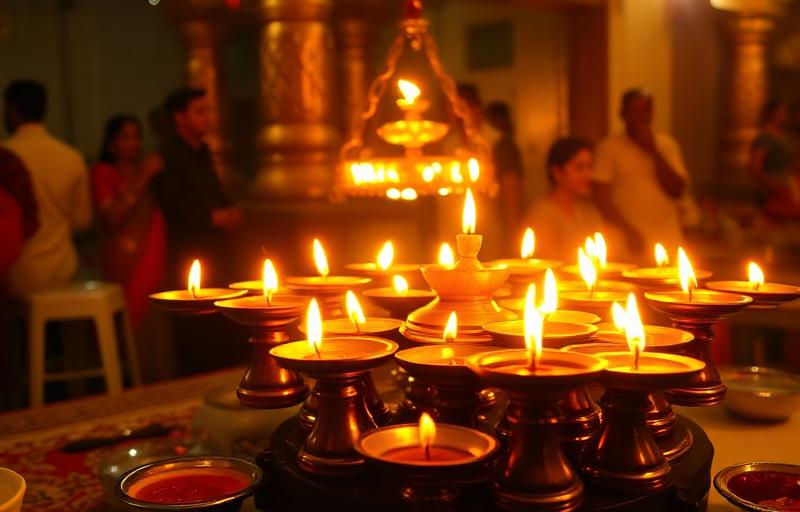
The daily tulsi ritual today typically includes:
- Watering the plant each morning before other household tasks begin
- Walking around it a few times while offering a short prayer
- Lighting a diya beside the tulsi chaura in the evening
- Avoiding plucking leaves on certain days, such as Sundays or Ekadashi, as per tradition
During the month of Kartik, tulsi worship becomes especially significant, with many households performing Tulsi Vivah, the ceremonial wedding of the tulsi plant to Lord Vishnu, marking one of the most cherished small celebrations of the year.
A Small Plant, A Daily Devotion
The daily walk around the tulsi plant may take only a minute, but it carries within it purity, gratitude, and a steady connection to the divine. It is one of the simplest ways devotion is woven into the very start of the day.
As with all such customs, this small ritual is an act of faith and love, not a transaction. A few drops of water and a few quiet steps around tulsi each morning are enough to carry a devotee's heart toward God.
Frequently Asked Questions
Why is the tulsi plant considered sacred in Hindu homes?+
Tulsi is considered dear to Lord Vishnu and is honoured in tradition as Vrinda, or Tulsi Devi. No puja to Vishnu or Krishna is regarded as complete without offering a tulsi leaf, which is why it holds such a special place at home.
Why do some people avoid plucking tulsi leaves on Sundays?+
As per tradition, Sundays and Ekadashi are considered days when the tulsi plant should be left undisturbed out of respect. Leaves for those days are usually plucked in advance if needed for a puja.
What is Tulsi Vivah?+
Tulsi Vivah is the ceremonial wedding of the tulsi plant to Lord Vishnu, performed by many households during the month of Kartik. It is considered an especially auspicious occasion marking the traditional period for weddings and celebrations to resume.
About the author
Pandit Mahesh Trivedi · Festival Traditions & Panchang
Pandit Mahesh leads the festival-date and Panchang content on Vandnaa. He cross-references multiple regional panchangs (Drik, Vaishnava, Bengali, Marathi) for every festival date published on the site.
Meet the Vandnaa editorial team →