What Is a Jagran?
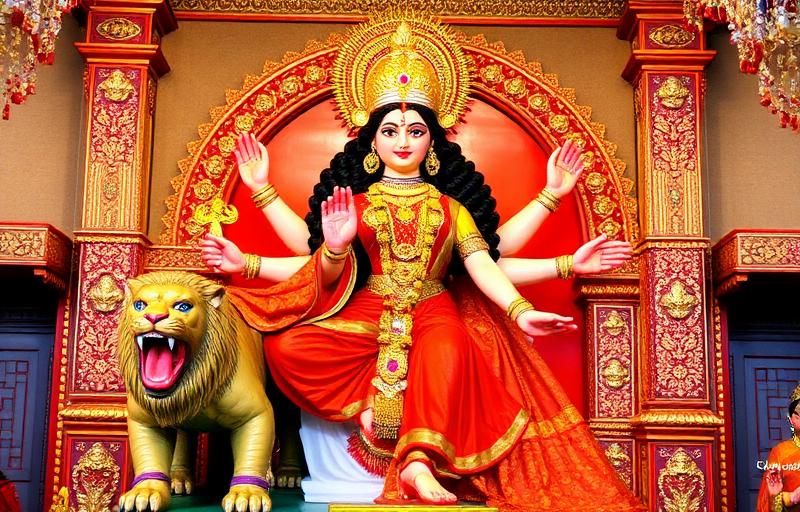
A jagran (literally 'staying awake') is an all-night devotional vigil filled with bhajans, kirtan and the chanting of the Lord's or the Goddess's names. The most common form is the Mata ki Chowki or Devi Jagran, where devotees sing the praises of Maa Durga from evening until dawn.
Jagrans are also held for Shiva on Mahashivratri, for Krishna on Janmashtami, and for many deities on their special nights. The whole night is spent singing, dancing in devotion, hearing katha and meditating on the divine, broken only by aarti and prasad.
Why Is the All-Night Vigil Kept?
Staying awake through the night is itself an act of devotion and discipline.
- To keep watch with the Devi: On sacred nights, devotees believe the Goddess or the deity is especially close. Staying awake is a way of keeping loving company through the night, like waiting up for someone dear.
- Conquering tamas (inertia): Sleep is associated with tamas - dullness and forgetfulness. Holding the mind awake on God is a victory of sattva (light and awareness) over inertia.
- The power of sacred nights: Nights like Navratri and Mahashivratri are believed to carry heightened spiritual energy, and chanting through them is said to multiply the fruit of devotion.
- The strength of sangat: Singing together through the night builds a wave of collective devotion that lifts every heart and dissolves tiredness.
How a Jagran Is Held
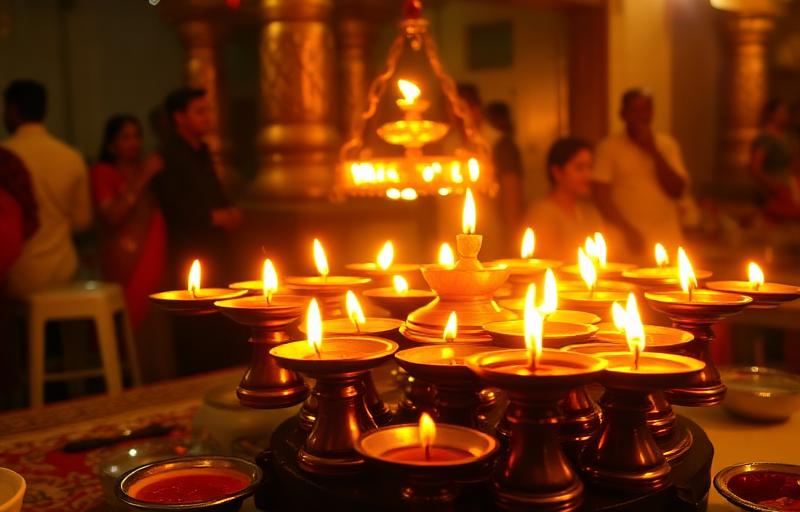
1. Set up the chowki: A decorated seat (chowki) is prepared with the image of the Devi or deity, flowers, lamps and an akhand jyot (continuous lamp) kept burning all night. 2. Begin with aarti and sankalp: The vigil opens with a ganesh vandana, aarti and a resolve to stay awake in devotion. 3. Bhajan and kirtan: Singers and the gathering take turns singing bhajans, bhetein and the Devi's praises through the night, often with dholak and harmonium. 4. Katha and aarti rounds: Stories of the deity are narrated and aartis are sung at intervals to renew everyone's energy. 5. Bhog and prasad: Bhog is offered to the deity and prasad distributed; halwa, puri and sweets are common. 6. Conclude at dawn: The final aarti is performed at first light, blessings are sought, and the vigil ends with a sense of joyful fulfilment.
The Inner Meaning of Jagran
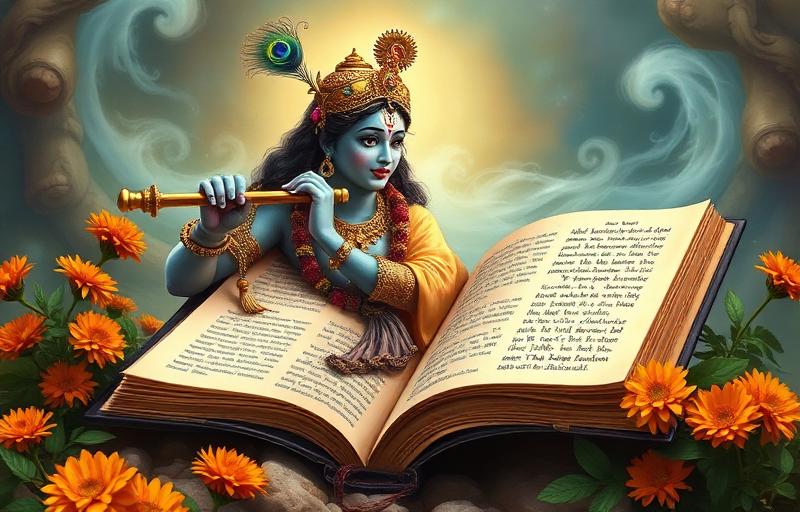
Beyond the literal staying awake, jagran is a symbol of spiritual awakening. The word also means 'to wake up' - and the true jagran is the awakening of the soul from the sleep of forgetfulness toward remembrance of God.
A night spent in singing teaches that devotion can carry the body past its tiredness, that joy in the divine is stronger than the pull of sleep. When the morning comes, the deeper hope is that the heart stays awake to God in daily life - alert to truth, kindness and gratitude long after the music has ended.
What People Ask Most
What is a Mata ki Chowki?+
A Mata ki Chowki is a devotional gathering, usually shorter than a full night, where bhajans and the Devi's praises are sung before her decorated seat (chowki). A full all-night version is called a Devi Jagran.
On which nights are jagrans most commonly held?+
Jagrans are most common during Navratri (Devi Jagran), on Mahashivratri for Lord Shiva, and on Janmashtami for Lord Krishna. They are also held to fulfil vows or on a deity's special days.
What is the spiritual reason for staying awake all night?+
Sleep is linked with tamas (inertia and forgetfulness). Staying awake on sacred nights, with the mind held on God through bhajan, is seen as a victory of awareness over inertia and a way of keeping loving company with the deity.
What does the word jagran actually mean?+
Jagran means 'staying awake' or 'awakening'. Beyond the literal vigil, it symbolises the awakening of the soul from the sleep of forgetfulness toward the remembrance of God.
About the author
Acharya Vinaya Kapoor · M.A. Sanskrit, Mantra & Stotra Studies
Acharya Vinaya holds an M.A. in Sanskrit from Banaras Hindu University and writes the mantra and stotra commentary on Vandnaa. Her focus is on accurate pronunciation, traditional context, and helping modern readers connect with classical texts.
Meet the Vandnaa editorial team →