The Practice: Offering Food as Seva
Annadaan means offering food, whether to a hungry stranger, a sadhu at the door, guests in the home, or hundreds of devotees at a temple bhandara. Across Hindu tradition, this simple act of feeding another person is held up as one of the most sacred forms of daan, or charity, that a person can perform.
It shows up in everyday life as much as in grand religious settings, from a family keeping food ready for anyone who visits, to temples running kitchens that serve thousands of meals every single day without charge.
Why Food Holds This Special Place in Dharma
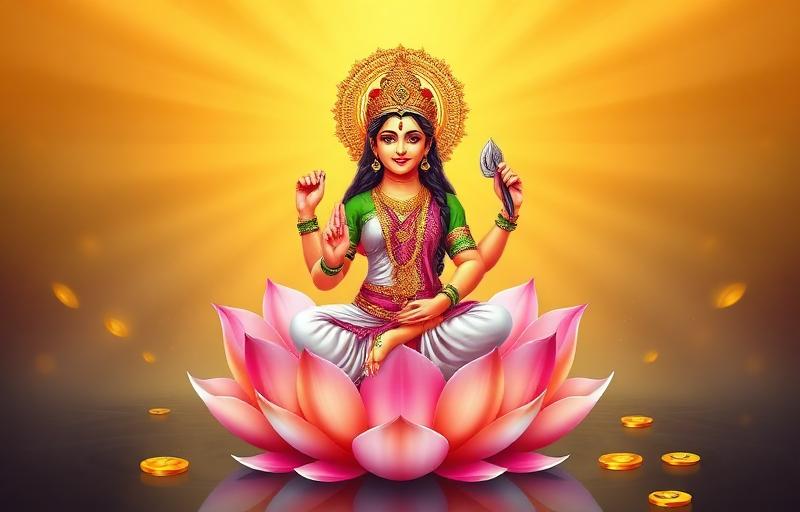
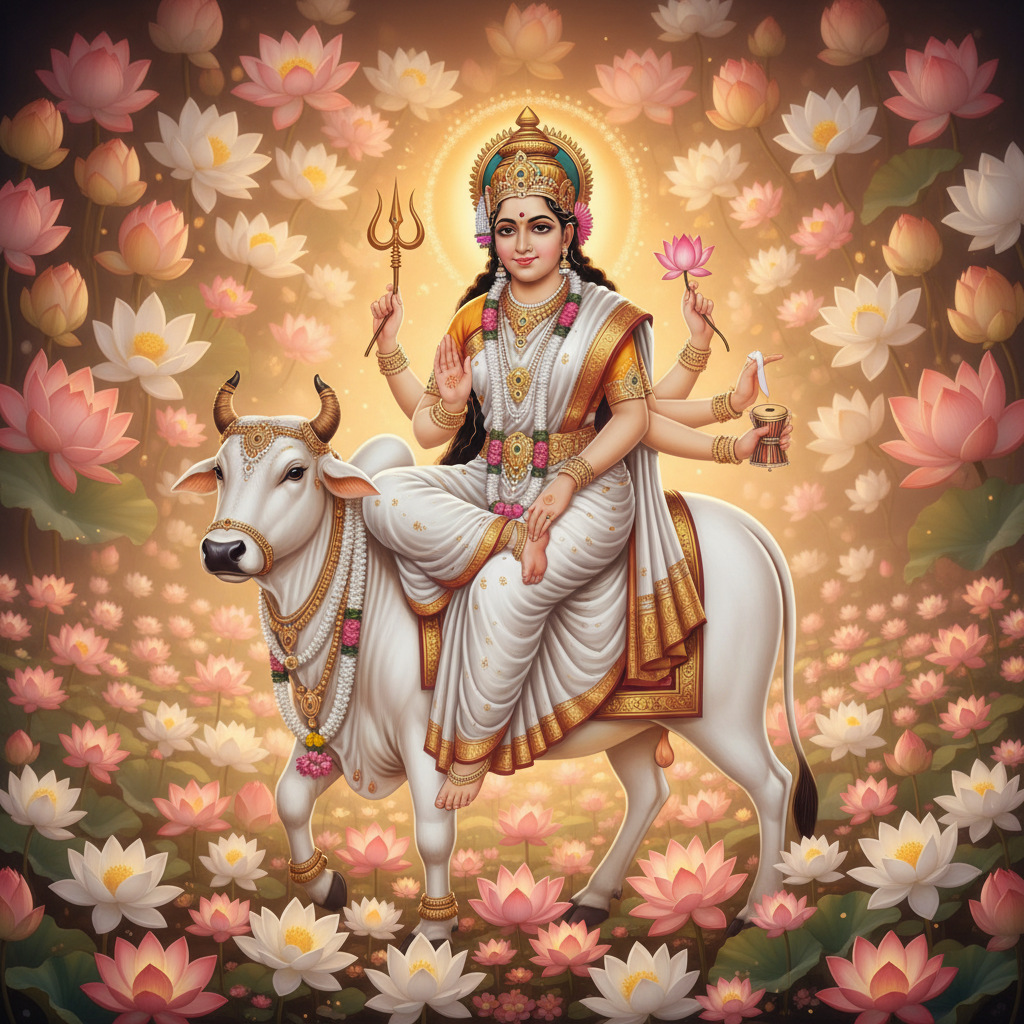
Hindu tradition often describes food, or anna, as a form of Brahman itself, since it is what sustains every living being. This idea is reflected in the worship of Annapurna Devi, the goddess of nourishment, especially revered in Varanasi, where she is believed to ensure that no devotee ever goes hungry.
The principle of atithi devo bhava, the guest is equivalent to God, further strengthens why feeding another person is treated with such reverence. A guest, expected or unexpected, is traditionally offered food before the family eats, reflecting the belief that serving another's hunger is itself a form of serving the divine.
The Deeper Meaning of Feeding Another
Annadaan is considered special among all forms of daan because it addresses the most immediate and universal need, hunger, without asking for anything in return. Unlike some rituals that may involve elaborate steps, feeding a hungry person is direct, humble, and instantly meaningful, which is why tradition regards it as an act of pure compassion.
Devotees believe that the divine resides in every being, and feeding someone in need is a way of honouring that presence directly. It removes suffering in the moment, rather than promising a distant or unseen reward, which is part of why it is described as the greatest daan of all.
How Annadaan Is Practiced Today
Annadaan today takes many forms across Hindu life, both large and small. Common ways it is practiced include:
- Temple bhandaras during festivals, where free meals are served to all visitors regardless of background
- Feeding sadhus, priests, or the poor on specific tithis, birthdays, or during shraddha rituals for ancestors
- Community kitchens at major pilgrimage temples that serve free food to lakhs of devotees, considered a form of annadanam
- Simple daily acts like offering food or water to a visitor, a cow, or birds at home
Many families also sponsor a meal at a temple on important occasions such as a birthday or an anniversary, treating it as a personal offering of gratitude.
Feeding Another, Serving the Divine
Annadaan endures as one of the most cherished practices in Hindu dharma because it turns devotion into direct, visible compassion. There is no need for elaborate ritual, only the willingness to share what one has with someone who needs it.
As tradition reminds us, offering food is an act of faith and love, not a transaction. In feeding another, a devotee is taught to see the divine not just in a temple, but in every person who sits down to eat.
Frequently Asked Questions
Why is annadaan considered greater than other forms of daan?+
Annadaan directly addresses hunger, one of life's most immediate needs, without expecting anything in return. Tradition sees it as pure, selfless compassion, which is why it is often described as the greatest daan a person can offer.
Who is Annapurna Devi?+
Annapurna Devi is worshipped in Hindu tradition as the goddess of food and nourishment, especially revered in Varanasi. Devotees believe her blessings ensure that no one who has true faith goes hungry.
Does annadaan only mean feeding people at a temple?+
No, annadaan can be practiced anywhere, from feeding a guest at home to offering food to animals and birds. Temple bhandaras are a well-known form, but the spirit of annadaan lives in everyday acts of sharing food.
About the author
Pandit Ravindra Sharma · Vedic Rituals & Bhakti, 22+ years
Pandit Ravindra is the Vandnaa editorial team's resident specialist on aarti, chalisa, and daily devotion. He has performed home and temple pujas across Varanasi and Delhi for over two decades and contributes the bhakti-focused articles on this site.
Meet the Vandnaa editorial team →