A Discipline Practiced in Many Forms
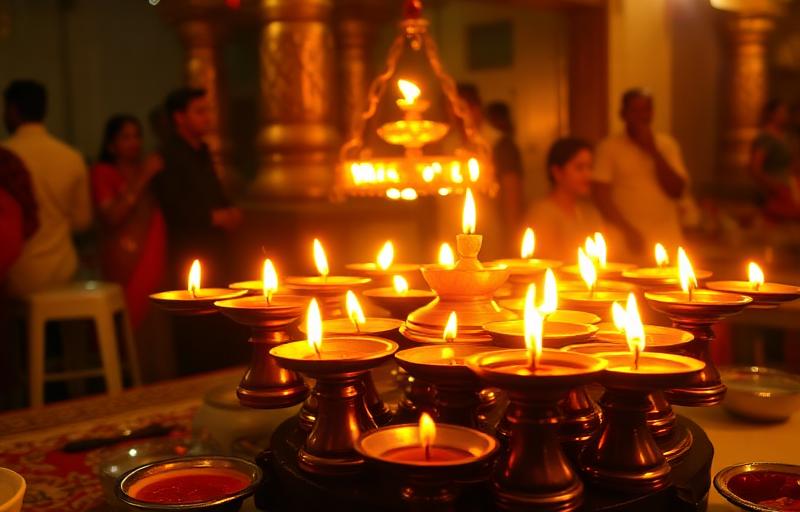
Fasting, or vrat, takes many forms across Hindu life. Some observe it weekly, a Monday fast for Shiva, a Tuesday fast for Hanuman, a Friday fast for the goddess. Others keep it for specific occasions, Ekadashi, Navratri, Karva Chauth, or a personal vow made in gratitude or hope. The fast itself may mean complete abstention from food and water, or phalahar, eating only fruit, milk, roots or specific grains like sabudana.
Whatever the form, a vrat is almost always a matter of personal choice, undertaken willingly rather than imposed, and often continued for years as part of a devotee's ongoing relationship with a chosen deity.
Why Tradition Frames Fasting as Discipline
In Hindu thought, a vrat is not meant as punishment of the body but as a controlled, voluntary form of tapasya, austerity, undertaken to redirect attention away from bodily comfort and toward prayer, reflection and the divine. Going without food, even briefly, is believed to quiet the senses enough that the mind finds it easier to focus on higher things.
Fasting is also understood as a way of strengthening sanyam, self-restraint, treating the body's hunger as something that can be observed and managed rather than something that must always be obeyed immediately, a discipline believed to carry over into other areas of life as well.
What Going Without Food Symbolizes
A vrat's meaning lies less in what is given up and more in why it is offered.
- Voluntary hunger becomes a reminder of dependence on the divine rather than only on food
- Each vrat is a small, repeated practice of self-control believed to build strength for larger life challenges
- Fasting paired with prayer transforms an act of restraint into an act of devotion
- What is given up is offered out of love and faith, not treated as loss or punishment
How Fasting Is Practiced Today
Modern practice of vrat has grown more flexible, with intention valued over rigidity. Many observe a partial fast, a single meal a day, no grains, or fruits and milk only, rather than complete abstention, especially where health does not allow for more. Pregnant women, the elderly and those with medical conditions are traditionally advised to modify or skip fasting altogether, reflecting that even scripture places well-being and intention above strict rule-following.
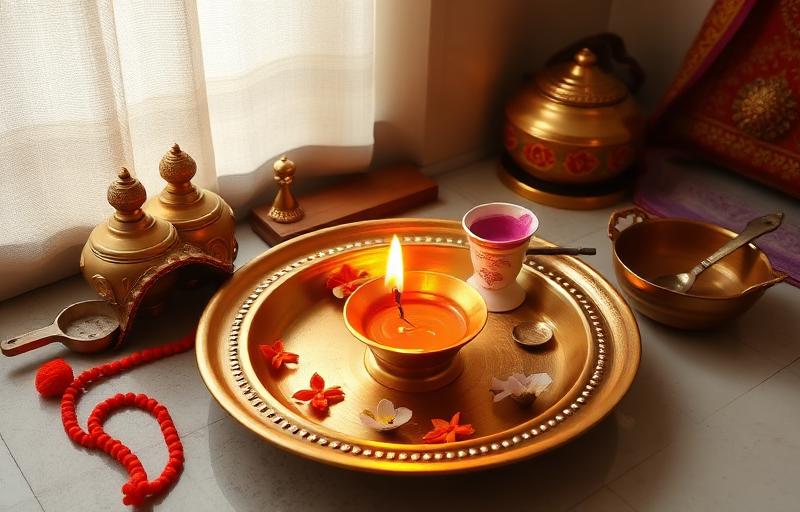
Fasting today is usually paired with reading or listening to the vrat katha, visiting a temple, or setting aside extra time for prayer, keeping the discipline connected to its devotional purpose rather than becoming an exercise in willpower alone.
The Real Fruit of a Fast
A vrat's real reward was never meant to be the empty stomach itself, but the quiet turning of attention toward the sacred that the discipline makes room for. Understood this way, fasting is not deprivation at all, it is a devotee's chosen offering, worship is an act of faith and love, not a transaction.
Frequently Asked Questions
Is everyone required to fast completely without food or water?+
No, forms of vrat vary widely, from complete abstention to phalahar, eating only fruit or milk. Tradition allows modification based on health and personal circumstances.
Should pregnant women or the unwell observe a strict vrat?+
Traditionally, they are advised to modify or skip fasting altogether. Well-being is prioritized over rigid observance, reflecting that intention matters more than strict rule-following.
Why is vrat katha read during a fast?+
The katha carries the story and moral lesson tied to the vrat, and hearing it is considered part of keeping the fast connected to its devotional meaning rather than treating it as a rule alone.
About the author
Anjali Mehta · Editor, M.A. Religious Studies
Anjali is the managing editor for Vandnaa and oversees the festival and vrat coverage. She holds an M.A. in Religious Studies and reviews every published article for accuracy, accessibility, and tradition-fidelity.
Meet the Vandnaa editorial team →