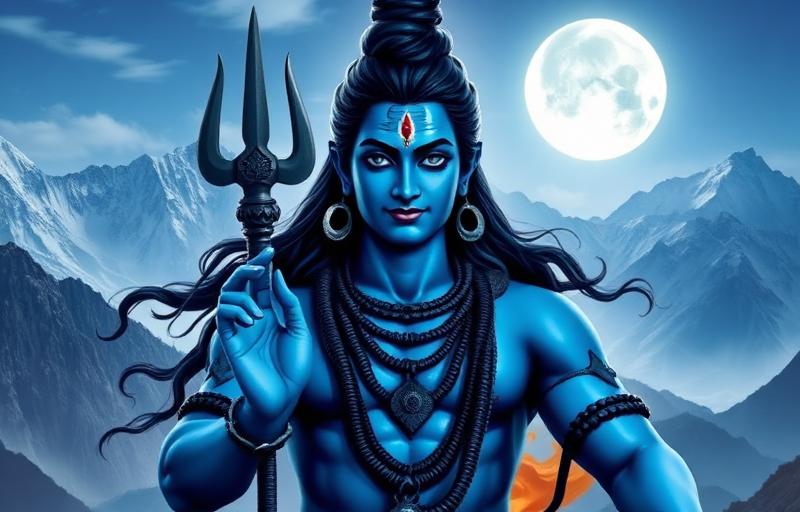
The Question Every Child Asks
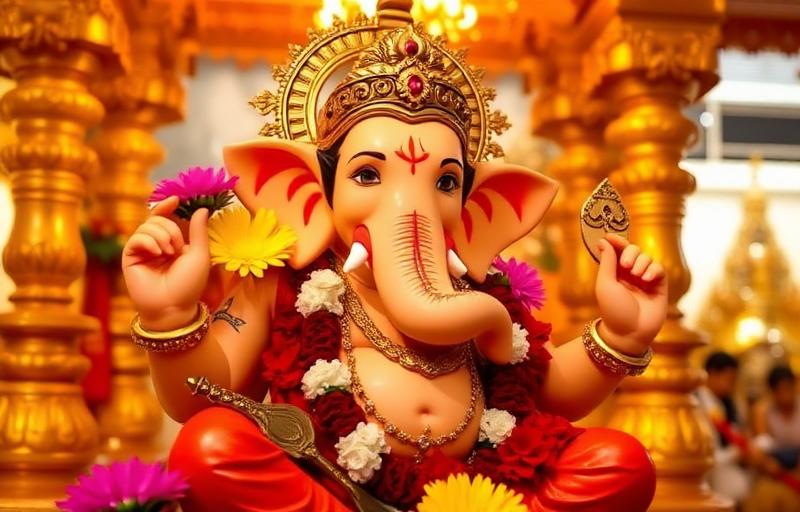
Of all the gods, Lord Ganesha is the most instantly recognisable - the gentle, round-bellied deity with the head of an elephant. But why does the beloved Vighnaharta have a gajamukha (elephant face)?
The answer lies in one of the most loved kathas of the Puranas, especially the Shiva Purana - a story of a mother's love, a great misunderstanding, and the divine grace that turned loss into one of the most worshipped forms in all of Sanatana Dharma.
The Story of His Birth
Once, while Lord Shiva was away, Mata Parvati wished to bathe and wanted a trusted guardian at her door. From the turmeric paste (ubtan) of her own body she shaped a boy, breathed life into him, and called him her son. She gave him one instruction: let no one enter while she bathes.
The boy stood faithfully at the door. Soon Lord Shiva returned and tried to enter his own home. The boy, who did not know Shiva and was only obeying his mother, blocked the way. Neither would yield - the son guarding his mother's word, and Shiva not knowing this was his own child.
In the clash that followed, Shiva, in great anger, severed the boy's head.
How the Elephant Head Was Given
When Parvati emerged and saw her lifeless son, her grief turned the three worlds dark. Inconsolable, she demanded that her child be brought back to life. To calm her and undo the great wrong, Lord Shiva sent his ganas (attendants) northward with an instruction: bring the head of the first creature they found facing north.
The first being they met was an elephant. Shiva placed the elephant's head upon the boy's body and breathed life into him once more. The child rose, whole and radiant.
To honour his courage and to console Parvati, Shiva blessed him as the leader of his ganas, naming him Ganapati / Ganesha, and decreed that he would be worshipped first, before all other gods, in every puja. Thus the boy born of a mother's love became Vighnaharta - the remover of obstacles.
The Deeper Meaning of Gajamukha
The elephant head is not just a story - every part of it carries a teaching:
- The large head stands for great wisdom and the ability to think big.
- The big ears remind us to listen more, sifting good from bad like an elephant's winnowing ears.
- The small eyes teach concentration and focus.
- The trunk, both powerful and delicate, shows adaptability - the strength to uproot a tree and the gentleness to pick up a needle.
- The single tusk teaches us to keep the good and discard the worthless, holding to one-pointed truth.
At a deeper level, the story shows that the ego (the old head) must fall for divine wisdom (the elephant head) to rise. Ganesha's form is a constant reminder that humility and wisdom open every door.
What People Ask Most
Why does Lord Ganesha have an elephant head?+
According to the Shiva Purana, when Shiva unknowingly severed the head of the boy Parvati had created, he restored him to life by placing an elephant's head on his body, giving Ganesha his iconic gajamukha form.
Who created Ganesha?+
Mata Parvati created Ganesha from the turmeric paste (ubtan) of her own body and gave him life to guard her door while she bathed. He is therefore considered the son of Parvati and Shiva.
Why is Ganesha worshipped first?+
After restoring him to life, Lord Shiva blessed Ganesha as the leader of his ganas and decreed that he be worshipped first, before all other gods, in every puja. He is the remover of obstacles to any auspicious work.
What does the elephant head symbolise?+
The large head symbolises wisdom, the big ears teach us to listen well, the small eyes show focus, the trunk shows adaptability, and the single tusk teaches keeping the good and discarding the worthless.
About the author
Anjali Mehta · Editor, M.A. Religious Studies
Anjali is the managing editor for Vandnaa and oversees the festival and vrat coverage. She holds an M.A. in Religious Studies and reviews every published article for accuracy, accessibility, and tradition-fidelity.
Meet the Vandnaa editorial team →