A Night Transformed by Light
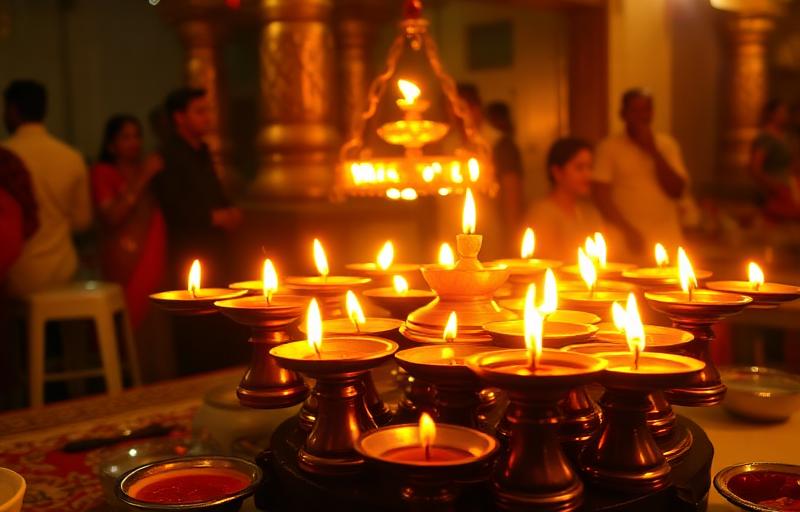
On Diwali night, Hindu homes across India and wherever Hindu families live are lined with diyas, small clay lamps filled with oil and lit with a cotton wick, placed along windowsills, doorways, courtyards, verandas and rooftops. Strings of electric lights and candles have joined the tradition in recent decades, but the diya remains at its heart.
Entire streets and neighbourhoods take on a warm, flickering glow, turning what would otherwise be the year's darkest night into one of its brightest. Many families place a diya at every corner of the home, leaving very few shadows untouched by light.
The Story Behind the Lamps
The most widely told reason traces back to the Ramayana. When Lord Rama returned to Ayodhya after fourteen years of exile, along with Sita and Lakshmana, following his victory over Ravana, the people of the city are said to have lit rows of lamps throughout the kingdom to welcome him home and light his path through the dark, moonless night. That night is remembered as Diwali, and the lamps have continued ever since.
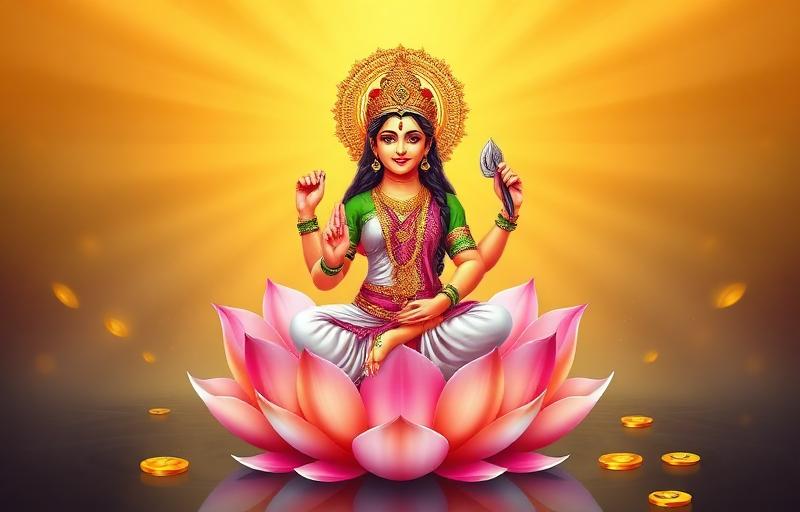
The timing adds another layer of reasoning. Diwali falls on Amavasya, the new moon, the darkest night of the lunar month, making the light of even a single diya especially meaningful. The festival is also closely tied to Goddess Lakshmi, believed to visit homes that are clean, awake and glowing with light on this night.
What the Light Truly Represents
Diwali's lamps carry meaning that goes well beyond festive decoration.
- Light overcoming darkness is understood as a symbol of good triumphing over evil
- It represents knowledge dispelling ignorance, a common theme across Hindu philosophy
- Each small diya stands for one individual's contribution, a reminder that many small acts of goodness, together, can light up even the darkest night
- The warmth of the flame is associated with hope, renewal and the promise of prosperity for the year ahead
How Homes Light Up Today
Traditional clay diyas filled with mustard oil, sesame oil or ghee, lit with a simple cotton wick, remain central to Diwali, even as string lights, lanterns and candles add to the display in most homes. Diyas are placed especially at the main entrance, near the tulsi plant, around the puja room, and along the boundary of the home.
Many families also keep an akhand diya, a lamp meant to stay lit continuously through the night, often placed before the deity during Lakshmi puja. Markets in the weeks before Diwali fill with rows of clay diyas of every size, a small, humble craft that lights up an entire festival.
A Small Flame, A Large Hope
Lighting a diya takes only a moment, yet on Diwali night, millions of these small flames together carry one of Hindu tradition's simplest and most hopeful messages, that light always finds its way back, and that even the smallest act of devotion can help hold back the dark.
Frequently Asked Questions
Why does Diwali fall on the darkest night of the month?+
Diwali is observed on Amavasya, the new moon night, and tradition holds that lighting lamps on the darkest night carries special meaning, actively bringing light where it is most needed rather than waiting for a brighter one.
What oil is traditionally used in Diwali diyas?+
Mustard oil, sesame (til) oil and ghee are all traditionally used, varying by region and family custom, with a simple cotton wick placed in the clay lamp.
What is an akhand diya?+
An akhand diya is a lamp kept burning continuously without being extinguished, often through the night of Lakshmi puja, symbolizing an unbroken, steady devotion to the goddess.
About the author
Pandit Mahesh Trivedi · Festival Traditions & Panchang
Pandit Mahesh leads the festival-date and Panchang content on Vandnaa. He cross-references multiple regional panchangs (Drik, Vaishnava, Bengali, Marathi) for every festival date published on the site.
Meet the Vandnaa editorial team →