A Colourful Welcome at the Threshold
At the entrance of countless Hindu homes, especially during Diwali, weddings and other auspicious occasions, one finds rangoli, intricate patterns made with coloured powders, rice flour, flower petals or chalk, drawn directly on the floor. In many South Indian homes, a simpler daily version called kolam is drawn fresh every single morning, rain or shine, rich celebration or ordinary weekday.
The designs range from simple dots and lines to elaborate geometric and floral patterns, often with a diya placed at the centre. Whatever the complexity, the location is almost always the same, right at the doorstep, the point where the outside world meets the home.
Why the Doorstep Was Chosen for This Custom
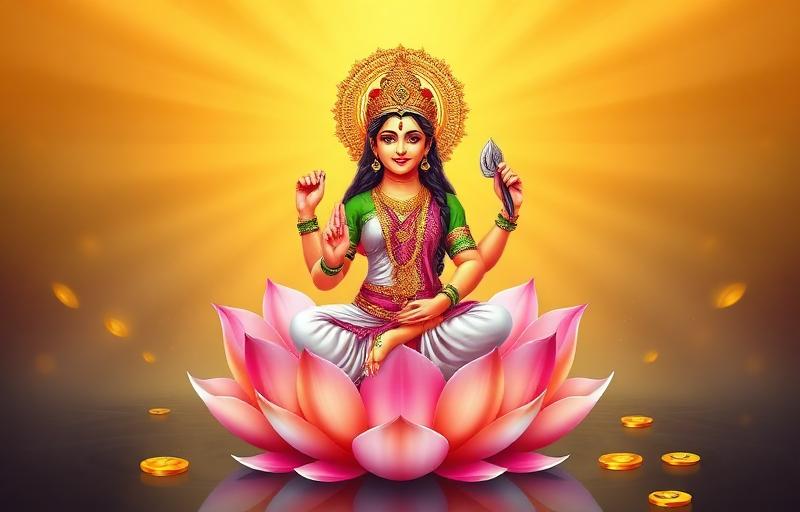
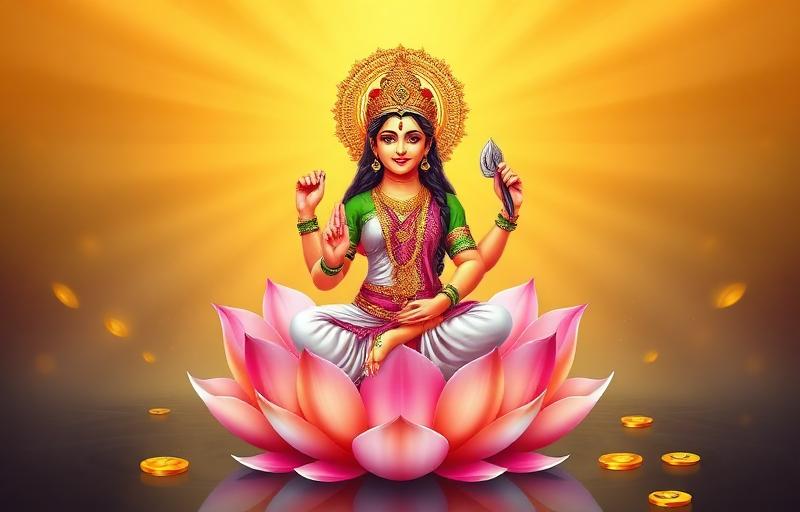
The threshold has traditionally been seen as more than a physical boundary, it marks the transition between the outer world and the sacred space of the home. Decorating this exact spot is understood as a visual invitation, a way of telling Goddess Lakshmi and other visiting deities that the household is prepared, clean and eager to welcome divine presence and prosperity.
The custom is also closely tied to hospitality. A beautifully drawn rangoli signals warmth to any guest arriving at the door, human or divine, before a single word of greeting is even spoken.
The Symbolism Behind the Patterns
Rangoli carries meaning well beyond decoration.
- Its symmetry and repeating patterns are traditionally linked to harmony and cosmic order
- Using natural materials like rice flour is, in many homes, also understood as a small act of compassion, feeding ants and small creatures at the threshold
- Its impermanence, fading, being swept away, redrawn again, is seen by some as a gentle lesson in non-attachment
- Bright colours reflect the joy and festivity of the occasion it accompanies
How Rangoli Is Made Today
The tradition remains vibrant across India. In Tamil Nadu and much of the south, women wake before dawn to draw kolam with rice flour, a daily practice repeated regardless of the day's importance. Elsewhere, elaborate rangoli, sometimes spanning an entire courtyard, are created for Diwali using coloured powders, flower petals and even coloured sand, occasionally as part of friendly neighbourhood or society competitions.
Urban apartment dwellers have adapted the custom too, with smaller designs just outside the door, reusable stencils, or sticker rangoli for convenience, keeping the spirit of the tradition alive even where space and time are limited.
Art as Prayer at the Doorstep
A rangoli takes minutes to draw and may not survive the day, yet it carries welcome, warmth and devotion in every line. It is a small daily or seasonal reminder that even the most fleeting art can be an offering, worship is an act of faith and love, not a transaction.
Frequently Asked Questions
What materials are traditionally used to make rangoli?+
Rice flour, coloured powders (gulal), flower petals and chalk are among the most common materials, chosen partly because they are natural and, in the case of rice flour, can also feed small creatures.
Is kolam the same as rangoli?+
Kolam is the South Indian, particularly Tamil, version of this tradition, usually drawn daily with rice flour in a simpler style, while rangoli in other regions is often more elaborate and reserved for festivals and special occasions.
Why is a diya sometimes placed in the middle of a rangoli?+
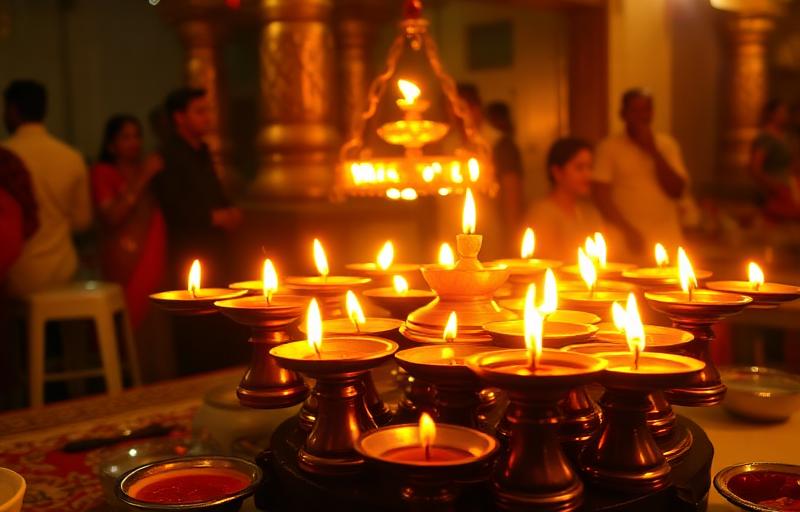
The lamp adds light to the welcome the rangoli already represents, together symbolizing brightness, auspiciousness and an invitation for the divine to enter a home that has prepared itself with care.
About the author
Pandit Mahesh Trivedi · Festival Traditions & Panchang
Pandit Mahesh leads the festival-date and Panchang content on Vandnaa. He cross-references multiple regional panchangs (Drik, Vaishnava, Bengali, Marathi) for every festival date published on the site.
Meet the Vandnaa editorial team →