What Is Parikrama (Pradakshina)?
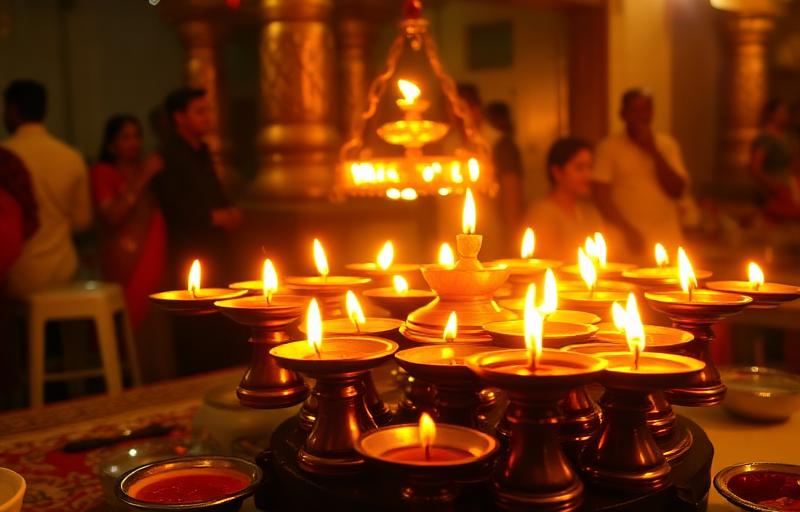
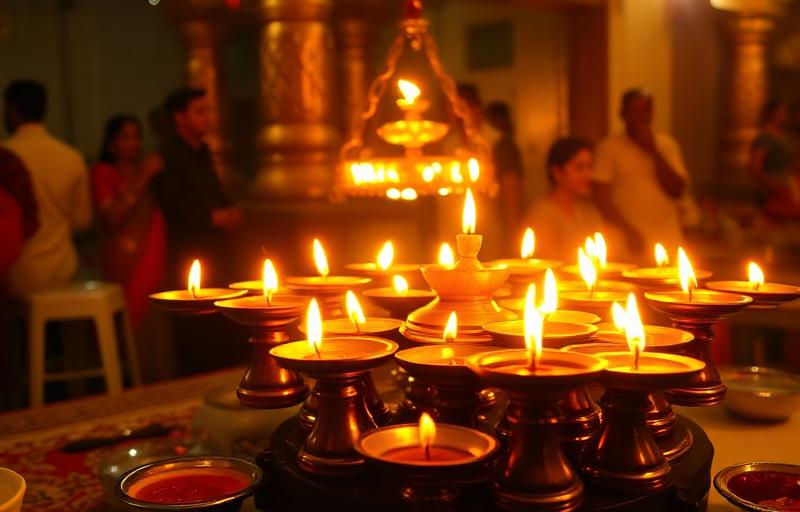
Parikrama, also called pradakshina, is the ritual of walking in a circle around a sacred object - the deity in the temple, the inner sanctum (garbhagriha), a holy tree like the peepal or tulsi, a sacred hill such as Govardhan, or even a whole holy region.
The word pradakshina comes from pra (forward) and dakshina (right), meaning to go forward keeping the sacred centre always to your right side. To circle the divine is to declare that God is the unmoving centre of our life, and that we wish to revolve around that centre in devotion.
The Significance of Parikrama
- God as the centre: Circling the deity expresses that the divine is the still centre and we are the ones who move, with our lives revolving around the Lord.
- Absorbing divine energy: Tradition holds that the sanctum radiates spiritual energy; walking around it lets the devotee absorb its grace and blessings.
- A complete journey: A full circle has no beginning or end, mirroring the eternal, unending nature of the divine and of the soul's journey toward it.
- Humility and surrender: Keeping the deity to the right and walking around with folded hands is an act of respect and self-offering.
- Concentration: The steady, mindful walking with the mantra on the lips draws the wandering mind to a single focus - the deity.
Why Parikrama Is Done Clockwise
Parikrama is always done in a clockwise direction, keeping the deity to your right. The reasons:
1. The right side is auspicious: In Hindu tradition the right (dakshina) is the honoured side. Keeping the deity to our right shows respect, the way we keep an elder or guru on our honoured side. 2. Following the cosmic order: The sun, moon and planets are seen to move in this direction across the sky; walking clockwise aligns us with the natural, cosmic flow. 3. The meaning of pradakshina: The very word means to go with the sacred centre on the right, so clockwise motion is built into the name. 4. It draws us inward: Moving with the divine on the right keeps the heart-side turned toward God, symbolising that we keep the Lord closest to the heart.
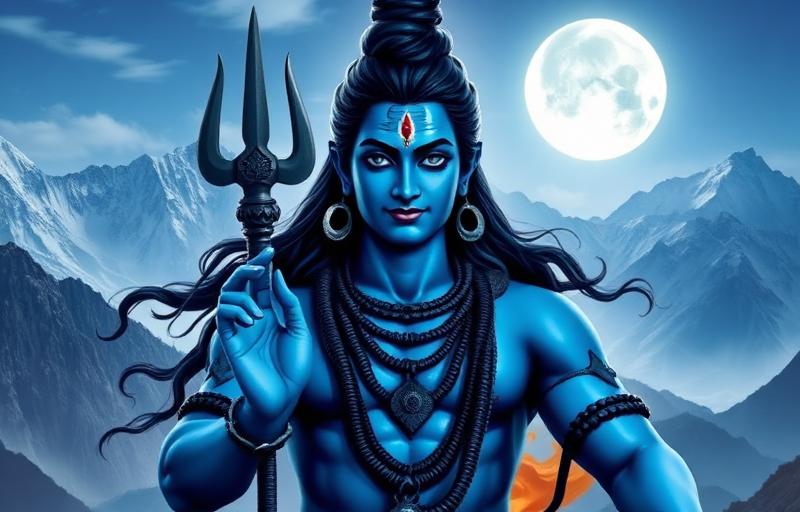
The one traditional exception is for Lord Shiva, where the parikrama is done only up to the point where the abhishek water (somasutra) flows out, and not crossed, so the round is made differently.
How to Do Parikrama Correctly
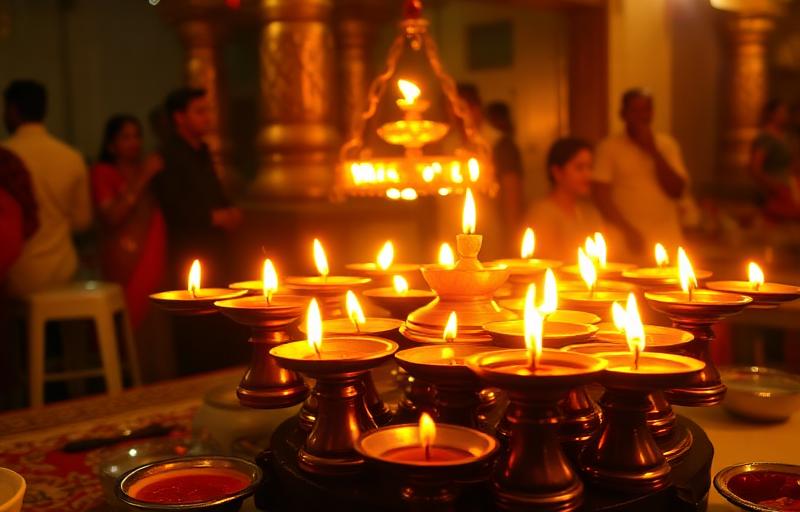
- After darshan and puja, stand before the deity, bow, and begin the parikrama.
- Move clockwise, keeping the deity or sanctum to your right at all times.
- Walk slowly and mindfully, hands folded, chanting the deity's name or mantra - for example Om Namah Shivaya or your ishta mantra.
- Number of rounds: Tradition suggests different counts for different deities - commonly an odd number; some do 3, 7 or 11 rounds, or 108 for special vows.
- For Shiva, do not cross the somasutra (the channel of abhishek water); circle up to it and return, as per tradition.
- Conclude by bowing again before the deity with gratitude.
Parikrama can also be done around a tulsi plant, a peepal tree, the home shrine, or a holy hill - the same spirit of keeping the sacred on the right applies everywhere.
What People Ask Most
Why do we do parikrama around the deity?+
Parikrama expresses that God is the unmoving centre of our life, around which we revolve in devotion. A full circle, with no beginning or end, mirrors the eternal divine, and circling the sanctum lets the devotee absorb its spiritual energy and grace.
Why is parikrama done clockwise?+
We move clockwise to keep the deity on our right (dakshina), the honoured side in Hindu tradition. This also follows the cosmic direction of the sun and planets. The very word pradakshina means to go forward keeping the sacred centre to the right.
How many rounds of parikrama should be done?+
Tradition suggests different counts for different deities, commonly an odd number. Many do 3, 7 or 11 rounds, and 108 for special vows. Doing it with devotion and a focused mind matters more than the exact count.
Why is Shiva's parikrama done differently?+
For Lord Shiva, tradition says not to cross the somasutra, the channel through which the abhishek water flows out from the lingam. Devotees circle up to that point and return, rather than completing a full circle, out of reverence for the flowing sacred water.
About the author
Pandit Ravindra Sharma · Vedic Rituals & Bhakti, 22+ years
Pandit Ravindra is the Vandnaa editorial team's resident specialist on aarti, chalisa, and daily devotion. He has performed home and temple pujas across Varanasi and Delhi for over two decades and contributes the bhakti-focused articles on this site.
Meet the Vandnaa editorial team →