Why We Leave Our Footwear Outside
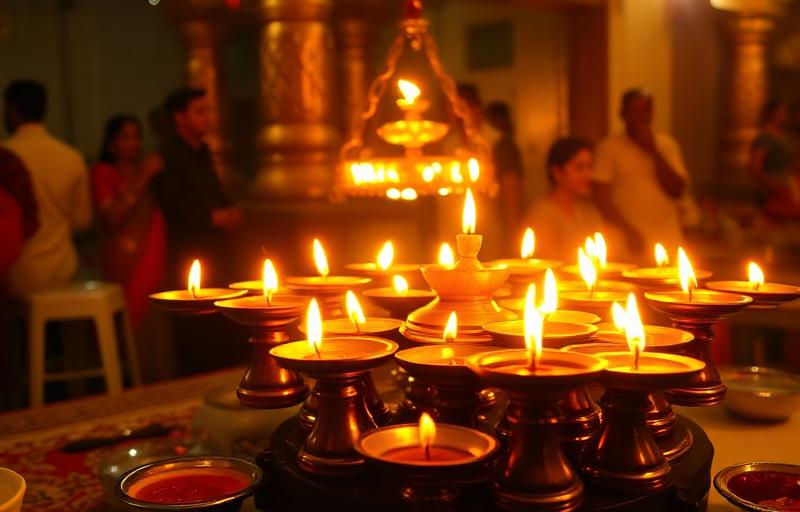
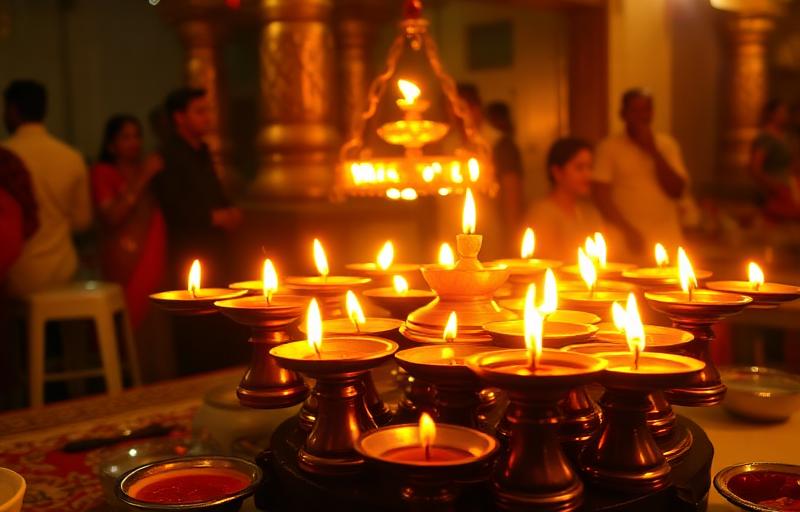
In Hindu tradition the temple and the home puja room are not ordinary spaces - they are sacred ground where the divine is present. Footwear, which has walked through dust, streets and all kinds of places, is left at the threshold so that nothing impure crosses into that holy space.
Removing our shoes is also a gesture of the heart. As we step out of them, we step out of our hurry and our pride, and walk in barefoot and humble - exactly as one approaches a beloved presence. It is among the simplest and most universal acts of respect in our tradition.
Purity, Humility & Respect
The custom carries deep spiritual meaning beyond cleanliness.
- Purity (shuddhi): Worship calls for outer and inner cleanliness. Leaving footwear keeps the sacred floor pure for the deity and the devotees.
- Humility: Standing barefoot strips away status and show. Rich or poor, all stand equal and humble before God.
- Surrender of the ego: Shoes carry us across the world on our own will. Setting them aside is a quiet way of saying, 'Here I surrender my pride.'
- Respect for the divine: Just as we would not wear shoes into a place we deeply revere, we honour the deity by approaching bare-footed.
In the same spirit, devotees touch the sacred floor and then their head, treating the very ground of the temple as blessed.
Traditional & Hygienic Reasons
The custom is also rooted in practical care for the sacred space.
- Cleanliness: Footwear brings in dust, mud and germs from the streets. Leaving it outside keeps the temple floor clean, where devotees sit, bow and touch their head.
- A floor for sitting and prostrating: People sit on the temple floor for bhajan and prostrate in pranam. A floor free of shoe dirt makes this possible and pure.
- Walking barefoot on sacred ground: Many temple floors are of stone or marble; walking barefoot on the cool, clean surface is calming and grounding.
- A clear boundary: Removing shoes draws a clear line between the busy outer world and the still inner sanctum, helping the mind shift into a prayerful mood.
Cleanliness and devotion thus move together - the outer purity supports the inner.
How It Is Done - Etiquette
- Remove footwear at the threshold: Take off your shoes before stepping onto the temple steps or into the puja room, keeping them in the designated place.
- Keep them aside neatly: Place shoes at the rack or to one side, never pointing toward the deity or blocking the entrance.
- Wash the feet if possible: Many temples and homes have water at the entrance; rinsing the feet and hands before entering adds to the purity.
- The home puja room too: The same respect applies at home - never enter the puja room or mandir with footwear.
- Step in with the right foot: By tradition, many devotees step into the temple leading with the right foot, with a quiet prayer in the heart.
The gesture is small, but done with awareness it sets the tone of humility for all the worship that follows.
What People Ask Most
Why do Hindus remove footwear before entering a temple?+
A temple is sacred ground where the divine is present. Footwear, which carries the dust and impurity of the outside world, is left at the threshold to keep the space pure. The act also expresses humility and respect before God.
Is removing shoes only about cleanliness?+
Cleanliness is one reason, but the deeper meaning is spiritual. Standing barefoot is a sign of purity, humility and surrender of the ego - rich or poor, all stand equal and humble before the deity.
Should I remove footwear in my home puja room too?+
Yes. The home puja room or mandir is treated with the same reverence as a temple. Footwear should never be worn inside it, keeping the space pure for worship.
Where should I keep my shoes outside the temple?+
Place them neatly at the designated rack or to one side of the entrance, never pointing toward the deity or blocking the doorway. Many temples provide a shoe stand for this purpose.
About the author
Pandit Mahesh Trivedi · Festival Traditions & Panchang
Pandit Mahesh leads the festival-date and Panchang content on Vandnaa. He cross-references multiple regional panchangs (Drik, Vaishnava, Bengali, Marathi) for every festival date published on the site.
Meet the Vandnaa editorial team →