A Small Habit Noticed Everywhere
Sit in most Hindu homes and you will notice it without anyone saying a word: people quietly adjust how they sit so their feet do not point toward an elder, a deity's image, a book, or anyone else in the room. If it happens by accident, a quick apology or a light touch of the hand to the spot, followed by a touch to the chest or eyes, usually follows.
This is not treated as a big rule with formal instructions, it is simply absorbed growing up, watched and copied from parents and grandparents long before anyone explains why.
The Reasoning Behind This Custom
In Hindu tradition, the feet are considered the lowest and most impure part of the body, while the head, especially the crown, is considered closest to the divine. Elders, teachers, sacred texts and deities are treated with a level of respect that places them symbolically above the feet, so pointing feet at them is seen as an unintentional gesture of disrespect, even if no disrespect is meant.
This is also why touching an elder's feet is a gesture of seeking blessings, using the same body part but in the opposite direction, transforming what would be disrespectful when pointed toward someone into an act of humility when lowered toward them.
What This Symbolises Beyond Etiquette
Beyond simple etiquette, this custom reflects a broader Hindu value: awareness of the body and its position relative to what is considered sacred or worthy of respect. It teaches a kind of mindfulness about how one occupies space in relation to others, rather than acting purely on personal comfort.
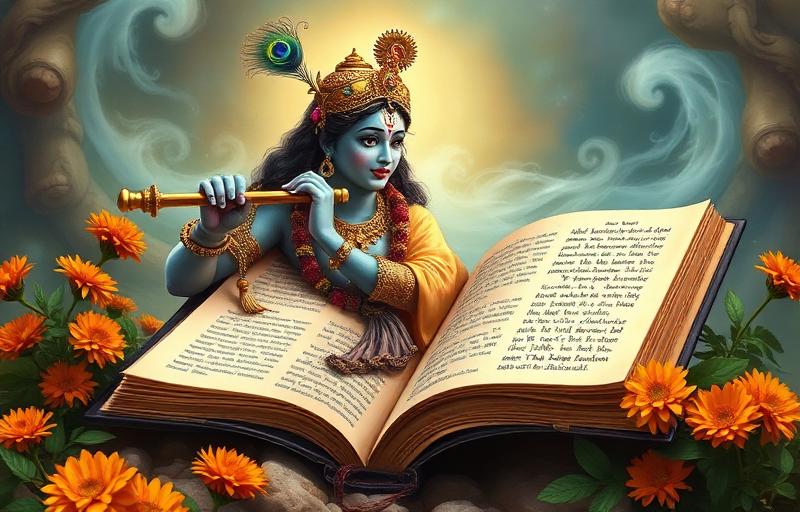
The same reasoning extends to touching books, especially scriptures, with the feet, considered disrespectful to knowledge itself, since books and learning are also treated as sacred in Hindu tradition.
How This Shows Up in Daily Life

This awareness quietly shapes everyday behaviour in several ways:
- Sitting cross-legged or adjusting posture in a temple or puja room so feet do not face the deity
- Avoiding stretching legs out toward elders while seated in a family gathering
- Immediately apologising, often with a gesture of touching the spot and then the chest, if feet accidentally touch a book, person or sacred object
- Removing footwear before entering temples and many homes, itself connected to keeping the feet's impurity away from sacred or clean spaces
Most people follow this instinctively by adulthood, having absorbed it as simply good manners rather than a rule to consciously remember.
Respect Carried in the Smallest Gestures
This custom shows how much care Hindu tradition places on small, physical gestures, teaching that respect is not only spoken but shown through posture, awareness and the smallest adjustments in how we sit and move.
It costs nothing to be mindful of where our feet point, yet it carries within it a lifetime of taught humility. Like so much of Hindu tradition, respect for elders and the divine is an act of faith and love, not a transaction, expressed here in the quietest possible way.
Reader Questions Answered
Why do Hindus avoid pointing their feet at elders?+
Feet are traditionally considered the lowest part of the body, while elders are shown deep respect, so pointing feet at them is seen as an unintended gesture of disrespect.
Why is touching someone with feet considered disrespectful?+
It is seen as unintentionally treating a person, object or sacred item as lower in status than the feet, which is why an immediate apology, often with a touch of the hand, is customary.
Is this custom only about elders and deities?+
No, it also extends to books, especially scriptures, and sacred objects, reflecting a broader Hindu value of mindfulness and respect toward anything considered sacred or worthy of honour.
About the author
Anjali Mehta · Editor, M.A. Religious Studies
Anjali is the managing editor for Vandnaa and oversees the festival and vrat coverage. She holds an M.A. in Religious Studies and reviews every published article for accuracy, accessibility, and tradition-fidelity.
Meet the Vandnaa editorial team →