
More Than a Habit
In Indian culture, eating with the hands is not a sign of being unrefined - it is a cherished and conscious tradition. From a simple home meal to a temple bhog to a grand festive thali, food is most naturally received with the fingers. Far from careless, this is regarded as an intimate, respectful way of meeting one's food. The hand becomes a bridge between the body and what nourishes it, and the act of touching, gathering and tasting turns a meal into a fully sensory, mindful experience. Like sitting on the floor, it reflects a worldview where eating is sacred, not merely functional.
The Five Elements and the Finger Mudra
A beautiful teaching connects the five fingers to the pancha-bhuta, the five great elements of which all creation - including food and the body - is made. In this view the thumb represents *fire (agni), the index finger air (vayu), the middle finger ether/space (akasha), the ring finger earth (prithvi) and the little finger water (jal). When the fingertips come together to lift a morsel, they form a natural hasta mudra*, a gesture said to harmonise the elements and bring awareness to the food before it enters the body. Eating thus becomes a small, living ritual that honours the elemental nature of nourishment.
Touch, Awareness and Mindful Eating
When we eat with our hands, the sense of touch joins taste, smell and sight at the table. We feel the warmth, texture and moisture of the food before it reaches the mouth, which naturally slows us down and draws full attention to what we are eating. This is the essence of mindful eating - being present with each morsel rather than distracted and rushed. Touch also gently signals temperature, so we are less likely to burn ourselves, and lets us judge each bite's size. By engaging the whole hand and senses, the meal is experienced more completely and, many feel, enjoyed and digested more peacefully.
Prasad and the Reverence of Receiving
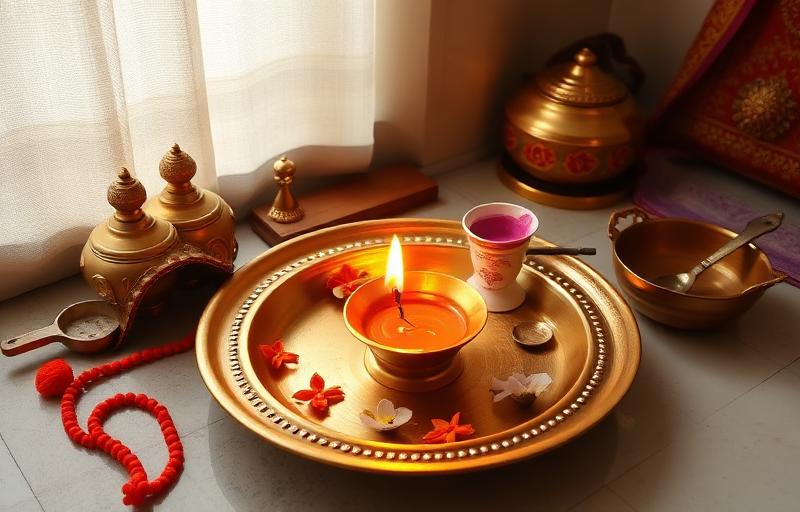
Nowhere is hand-eating more sacred than in the receiving of prasad, the blessed food offered first to the deity and then shared with devotees. Prasad is always taken with the cupped right hand, received humbly, never grabbed, and eaten with gratitude without leaving a trace. This same reverence carries into the home, where food itself is seen as a grace to be touched and received with care, not handled coldly with metal. Feeding others by hand - a mother feeding a child, an elder offering the first morsel, the feeding rituals at weddings - is one of the warmest expressions of love and blessing in our culture.
Right Hand, Washing and Etiquette
Eating with the hands comes with its own careful etiquette that keeps it clean and respectful: 1. Always wash both hands thoroughly before and after eating. 2. Eat with the right hand only - the left is traditionally reserved for other tasks and considered impure at the table. 3. Use the fingertips, not the whole palm, keeping the hand neat. 4. Take only as much as you will finish, and do not let food fall or spill. 5. Do not touch shared serving vessels with the hand that has touched your mouth (no jootha). 6. Rinse the mouth and hands again when the meal ends. These simple rules turn hand-eating into a clean, gracious and considerate act for oneself and others.
Satiety and the Modern View
Modern observers often note that the old custom carries quiet sense. Because eating by hand is naturally slower and more deliberate, it is commonly felt to help one notice fullness sooner and feel more satisfied with less, supporting better portion awareness. Engaging touch keeps attention on the meal, which is widely seen as the heart of healthy, unhurried eating. Of course, with clean hands this is also perfectly hygienic. None of this is a medical claim - it is simply the everyday wisdom that a slower, more present meal tends to feel calmer and more nourishing. Where utensils are needed, eating with care and gratitude keeps the same spirit alive.
Frequently Asked Questions
Why do Hindus eat with their hands?+
It is a mindful, sensory tradition, not a sign of being unrefined. The fingers are linked to the five elements and form a natural mudra, touch awakens awareness of the food, and it reflects a culture where eating is sacred and food is received with reverence and gratitude.
How are the five fingers linked to the elements?+
Tradition associates the thumb with fire, index finger with air, middle finger with ether, ring finger with earth and little finger with water - the pancha-bhuta. Bringing the fingertips together to lift food forms a hasta mudra said to harmonise these elements and bring awareness to the meal.
Why must we eat with the right hand only?+
By tradition the left hand is reserved for other tasks and considered impure at the table, so food is taken only with the clean right hand. This is a matter of etiquette and hygiene that keeps eating respectful, especially when sharing meals or receiving prasad.
How is prasad meant to be received?+
Prasad, the blessed food offered to the deity, is taken humbly in the cupped right hand, never grabbed, and eaten with gratitude without leaving any behind. Receiving food by hand this way expresses reverence and treats nourishment as a grace, not a mere object.
Is eating with hands hygienic?+
Yes, when both hands are washed thoroughly before and after the meal, only the right hand and fingertips are used, and shared vessels are not touched with a mouth-touched hand. The custom comes with its own careful etiquette that keeps it clean and considerate.
Does eating with hands help with satiety?+
Eating by hand is naturally slower and more deliberate, which is commonly felt to help one notice fullness sooner and feel satisfied with appropriate portions. This is everyday wisdom about mindful, unhurried eating rather than a medical claim, and it keeps attention on the food.
About the author
Pandit Ravindra Sharma · Vedic Rituals & Bhakti, 22+ years
Pandit Ravindra is the Vandnaa editorial team's resident specialist on aarti, chalisa, and daily devotion. He has performed home and temple pujas across Varanasi and Delhi for over two decades and contributes the bhakti-focused articles on this site.
Meet the Vandnaa editorial team →