
What Purnima Means in Devotion
Purnima is the full moon day, when the moon shines complete and bright in the night sky. In the Hindu calendar it marks the close of the bright fortnight (Shukla Paksha) and is counted among the most sacred and auspicious days of each month. It is especially dear to Lord Vishnu and is a favoured day for vrat (fasting vows), charity, holy bathing and listening to sacred stories. Many great festivals - Guru Purnima, Sharad Purnima, Kartik Purnima, Buddha Purnima - fall on this tithi. To keep a Purnima vrat is to set aside an ordinary day for devotion, simplicity and inner cleansing.
The Moon and the Mind - Chandra-Manas
A gentle and ancient teaching holds that Chandrama manaso jatah - the moon is born of, and connected to, the *mind (manas). Because the full moon is at its brightest and fullest, tradition says the mind too can feel especially stirred and full of emotion on Purnima. Fasting and prayer on this day are seen as a way to steady and quieten the mind* when it is most active - turning that heightened energy toward devotion rather than restlessness. This is offered as spiritual and emotional wisdom, a path to calm, not as any astrological prediction. The vrat helps the devotee meet the full-moon mind with stillness and grace.
The Satyanarayan Vrat
The best-loved observance of Purnima is the Satyanarayan Vrat, dedicated to Lord Vishnu in his form as Satyanarayan, the embodiment of truth. Families gather, often inviting a priest, to perform the Satyanarayan Katha and puja - listening to the five-part story that praises faith, honesty and gratitude, and warns against breaking one's vows. The deity is offered a special prasad of sheera or panjiri made from semolina, banana, sugar and ghee. The vrat is kept on full-moon days, and also at housewarmings, weddings and times of thanksgiving. Its simple message is that a life of truth and devotion is itself blessed.
Detox and Discipline - The Wisdom of Fasting
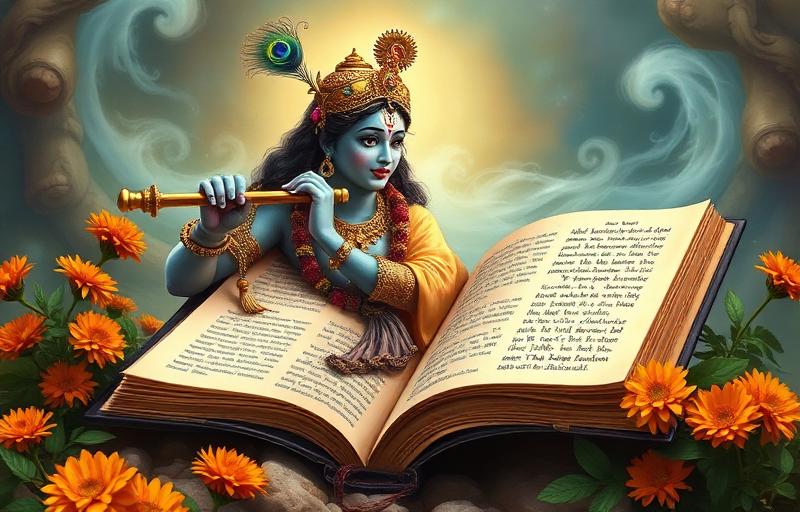
Beyond devotion, the regular Purnima fast carries the quiet wisdom of discipline and rest for the body. A monthly day of light, simple eating - or only fruit, milk and water - is commonly felt to give the digestive system a gentle pause and a sense of lightness. More importantly, the fast trains the will: choosing restraint over appetite for a day strengthens self-control, patience and gratitude for everyday food. The hunger felt is meant to turn the mind inward, toward prayer and reflection, rather than outward toward craving. In this way the body's discipline and the mind's devotion support each other, which is the heart of any vrat.
Which Purnimas Matter Most
While every month's full moon is auspicious, a few Purnimas are held especially dear: 1. Guru Purnima (Ashadha) - honouring the guru and the sage Vyasa. 2. Sharad Purnima (Ashwin) - the harvest full moon, when kheer is left in the moonlight for its blessing. 3. Kartik Purnima (Kartik) - sacred for holy bathing and Dev Diwali. 4. Buddha Purnima (Vaishakha) - the birth of Gautama Buddha. 5. Magha Purnima - a great day for holy dips and charity. 6. Vat Purnima / Jyeshtha Purnima - when married women pray for their husbands' wellbeing. Keeping a vrat on any of these is considered deeply meritorious.
How to Keep a Purnima Fast
A Purnima vrat can be kept simply and gently: 1. Wake early, bathe, and take a sankalp (resolve) to keep the fast for the chosen Purnima. 2. Worship Lord Vishnu or Satyanarayan and, in the evening, offer respect to the rising moon with water (arghya). 3. Choose your level - a full nirjala fast, a fruit-and-milk phalahar fast, or one simple satvik meal - according to your health. 4. Spend the day in prayer, the Satyanarayan Katha, japa or charity, keeping the mind calm. 5. Break the fast after moon-rise or the next morning with light, satvik food and prasad. Always listen to your body - the elderly, unwell, pregnant women and children should keep only a light fast or none, as wellbeing comes first.
Quick Answers
Why do Hindus fast on Purnima?+
Purnima is sacred to Lord Vishnu and is a favoured day for vrat, charity and prayer. Tradition links the full moon to the mind, so fasting helps steady and quieten it. The fast also brings bodily discipline, gratitude and a monthly day of devotion and simplicity.
What is the Chandra-manas connection?+
An ancient teaching, Chandrama manaso jatah, links the moon to the mind. On the full moon the mind is said to feel especially stirred, so fasting and prayer help channel that heightened energy toward devotion and calm. It is spiritual wisdom for steadying the mind, not astrology.
What is the Satyanarayan Vrat?+
It is the most popular Purnima observance, dedicated to Lord Vishnu as Satyanarayan, the form of truth. Families perform the Satyanarayan Katha and puja, offer sheera or panjiri prasad, and honour faith, honesty and gratitude. It is also kept at weddings and housewarmings.
Which Purnima is the most important?+
Every full moon is auspicious, but Guru Purnima, Sharad Purnima, Kartik Purnima and Buddha Purnima are especially revered. Each carries its own devotion - honouring the guru, the harvest moon, holy bathing and the birth of the Buddha respectively.
How should I keep a Purnima fast?+
Bathe early, take a sankalp, and worship Vishnu or Satyanarayan. Choose a level that suits your health - nirjala, phalahar, or one satvik meal. Spend the day in prayer and charity, offer arghya to the moon, and break the fast with light satvik food and prasad.
Can anyone keep a Purnima fast?+
Most healthy adults can keep a Purnima vrat at a level that suits them. However, the elderly, the unwell, pregnant women and children should keep only a light fast or none at all. Our traditions always place wellbeing first, so listen to your body.
About the author
Anjali Mehta · Editor, M.A. Religious Studies
Anjali is the managing editor for Vandnaa and oversees the festival and vrat coverage. She holds an M.A. in Religious Studies and reviews every published article for accuracy, accessibility, and tradition-fidelity.
Meet the Vandnaa editorial team →