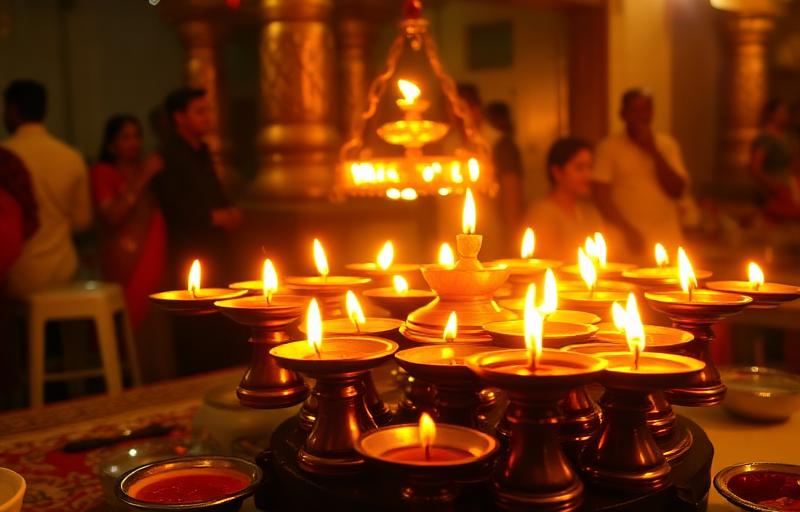
What Is Gau Gras
Gau Gras is the simple, beautiful custom of offering the first roti (or a portion of the meal) to a cow before the family sits to eat. In many homes it is the very first roti made on the tawa that is set aside for Gau Mata. It is not a grand ritual but a quiet daily act of remembrance, seva and gratitude woven into ordinary cooking.
The Spiritual Meaning
In Hindu tradition the cow is revered as Gau Mata, said to hold all the devtas within her body - it is believed that 33 crore devtas reside in the cow. To feed her first is to honour the divine before honouring oneself. The act trains the heart in humility and gratitude: before we take, we give, remembering that all nourishment is a gift.
Scriptural and Cultural Roots
The reverence for the cow runs through the Vedas, Puranas and the life of Lord Krishna, the beloved Gopala (protector of cows). Feeding animals is counted among the five great daily duties (pancha maha yajna), specifically Bhuta Yajna - service to all living beings. Gau Gras, along with offering a portion to dogs, crows and ants, is a living expression of the truth that the divine dwells in all creatures.
The Social and Ecological Angle
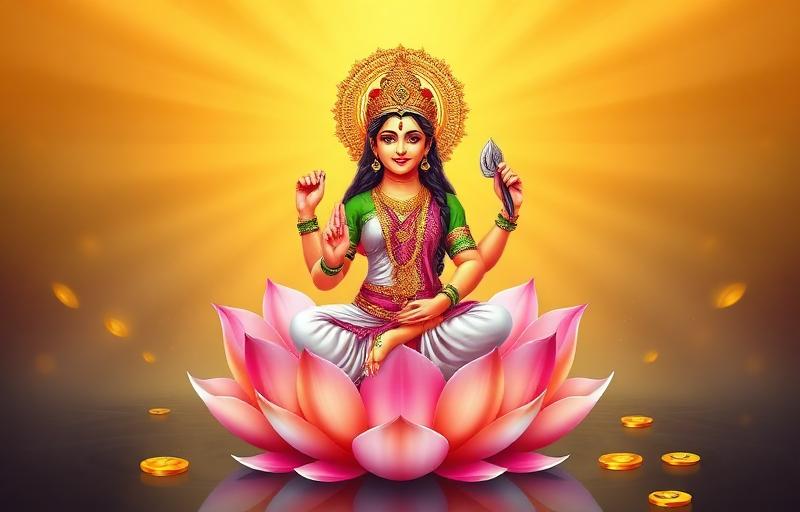
Beyond devotion, Gau Gras has a practical wisdom. The cow has long been central to the rural Indian household - giving milk, ghee and dung for fuel and farming - so caring for her sustains the family and the land. The daily habit of setting food aside for animals also nurtures compassion in children, reminding the whole family that we share the earth and should never eat while a creature near us goes hungry.
The Correct Practice
The practice is simple and can be adapted to any home: 1. Set aside the first roti as it comes off the tawa, before serving anyone. 2. Add a little ghee or jaggery on it if you wish, as an offering. 3. Offer it to a cow directly, or place it where a cow, or a gaushala, can receive it. 4. In cities without cows, many keep the first roti for a stray dog, bird or any animal, keeping the spirit of seva alive. Offer it with a calm, grateful mind, not as a chore.
Benefits of Gau Gras
This humble act is believed to bring blessings, peace and prosperity to the home, clear the debts owed to nature and animals, and please the devtas and Lord Krishna who loves cows. On a human level it builds gratitude, compassion and the habit of sharing, and turns the daily meal into a small act of worship. Families that keep this tradition often speak of a deep, quiet contentment in their home.
Common Questions From Devotees
Why is the first roti given to the cow?+
The cow is revered as Gau Mata, said to hold all the devtas within her. Offering her the first roti honours the divine before the family eats, and is an act of seva and gratitude.
What is Gau Gras?+
Gau Gras is the custom of offering the first roti or a portion of the meal to a cow before the family eats. It is a daily act of remembrance, service and gratitude toward Gau Mata.
What if there is no cow nearby?+
In cities, many keep the first roti for a gaushala, or offer it to a stray dog, bird or any animal. The spirit of seva and feeding a living being before yourself is what matters most.
Is it connected to Lord Krishna?+
Yes. Lord Krishna is known as Gopala, the loving protector of cows. Caring for and feeding cows is considered especially dear to him, which deepens the devotion behind Gau Gras.
How should the roti be offered?+
Set aside the first roti as it comes off the tawa, before serving anyone. Add a little ghee or jaggery if you wish, and offer it to a cow with a calm, grateful mind rather than as a chore.
What are the benefits of feeding the cow first?+
It is believed to bring blessings, peace and prosperity, please the devtas and Lord Krishna, and clear debts to nature. It also builds gratitude, compassion and the habit of sharing within the family.
About the author
Pandit Ravindra Sharma · Vedic Rituals & Bhakti, 22+ years
Pandit Ravindra is the Vandnaa editorial team's resident specialist on aarti, chalisa, and daily devotion. He has performed home and temple pujas across Varanasi and Delhi for over two decades and contributes the bhakti-focused articles on this site.
Meet the Vandnaa editorial team →Explore on Vandnaa
Related Articles

Gau Mata Puja - Significance, Benefits & Vidhi to Worship the Cow
9 min read

Why No Onion & Garlic in Sattvic Food - Significance
9 min read
Krishna Aarti Lyrics in Hindi & English - Aarti Kunj Bihari Ki
9 min read
Krishna Chalisa Lyrics in Hindi & English with Meaning
9 min read
Panchamrit - Meaning, 5 Ingredients, Significance & Puja Vidhi
8 min read
Ekadashi - Why No Rice Is Eaten on Ekadashi
9 min read