What Is Ekadashi
Ekadashi is the eleventh day of each lunar fortnight, occurring twice a month and considered one of the most sacred fasting days for devotees of Lord Vishnu. On this day, devotees observe a vrat through prayer, japa and light eating or full fasting. A well-known rule of Ekadashi is the complete avoidance of rice and grains, with rice being the most strictly avoided of all.
The Spiritual Meaning
Ekadashi fasting is, above all, a discipline of the mind and senses. By keeping the stomach light and refraining from grains, the devotee turns the energy usually spent on digestion toward prayer, japa and contemplation of the divine. Rice in particular is believed to increase water and tamas in the body, making the mind heavy and restless - the opposite of the calm, alert state Ekadashi is meant to cultivate.
Why Rice Especially - The Moon Connection
According to tradition, rice has a strong affinity for water, and water is governed by the *moon (Chandra), which rules the mind and emotions. Eating rice on Ekadashi is believed to absorb extra water and lunar energy, stirring up the mind and disturbing the steadiness needed for devotion. A well-loved story also tells of the demon Mura* being born from rice on Ekadashi, which is why grains - and rice above all - are set aside on this day.
The Health and Science Angle
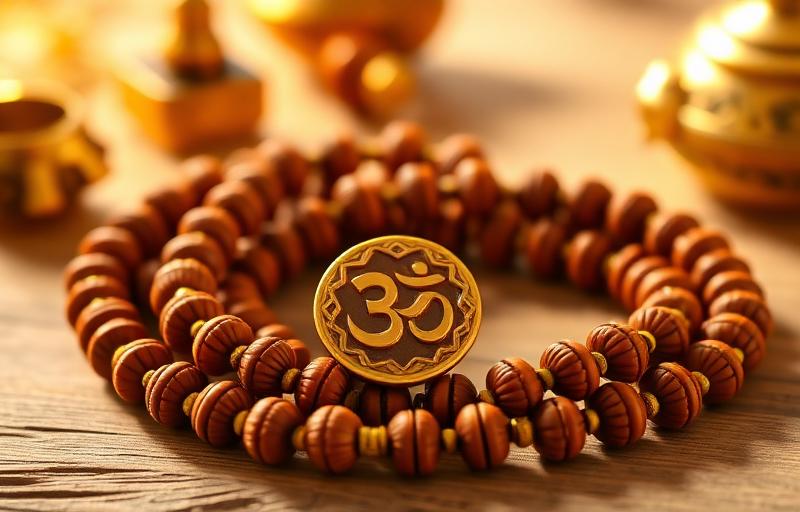
Ekadashi comes roughly every fifteen days, giving the digestive system a regular, gentle rest - a rhythm modern science increasingly links to better metabolism and gut health. Rice and heavy grains are harder to digest and can cause water retention and sluggishness, so avoiding them keeps the body light and the mind alert. Twice-monthly fasting is, in effect, a time-tested form of periodic detox that aligns body and mind.
The Correct Practice - What to Eat (Falahar)
Those who do not fast completely take light falahar (fasting food) on Ekadashi: 1. Fruits, milk, curd and dry fruits. 2. Dishes made from sabudana (sago), singhare or rajgira (water chestnut, amaranth) flour. 3. Kuttu (buckwheat) and potato preparations, with sendha namak (rock salt) instead of regular salt. Strictly avoid rice, wheat, lentils, regular grains, onion and garlic. Eat once or as little as needed, keeping the meal sattvic, simple and devotional. Break the fast (parana) the next morning after sunrise.
Benefits of the Ekadashi Vrat
The Ekadashi vrat is believed to wash away past sins, please Lord Vishnu, and bring peace, health and spiritual progress. By disciplining the body and quieting the mind, it deepens devotion, strengthens self-control and sharpens focus for prayer and meditation. On the physical side it rests the digestion and lightens the body. Kept with faith and a sattvic spirit, Ekadashi gently aligns body, mind and soul toward the divine.
Frequently Asked Questions
Why is rice not eaten on Ekadashi?+
Rice is believed to attract water and moon energy that makes the mind heavy and restless. Since Ekadashi is meant for a calm, alert mind focused on devotion, rice and grains are avoided.
What can be eaten on Ekadashi?+
Light falahar is allowed: fruits, milk, curd, dry fruits, and dishes from sabudana, singhara, rajgira or kuttu flour with potato, using sendha namak. Avoid rice, wheat, lentils, onion and garlic.
What is the moon connection with rice on Ekadashi?+
Rice has a strong affinity for water, and water is governed by the moon, which rules the mind. Eating rice is believed to absorb extra lunar and water energy that disturbs the steadiness needed for devotion.
How often does Ekadashi come?+
Ekadashi falls on the eleventh day of each lunar fortnight, occurring twice a month. This regular rhythm gives the body and digestion a gentle, periodic rest along with spiritual focus.
Are there health benefits to fasting on Ekadashi?+
Yes. Twice-monthly fasting rests the digestion, reduces water retention and sluggishness, and keeps the body light and the mind alert, acting as a time-tested form of periodic detox.
When should the Ekadashi fast be broken?+
The fast is broken (parana) the next morning, after sunrise, within the prescribed time window on Dwadashi. It is traditionally broken with sattvic food after prayer to Lord Vishnu.
About the author
Pandit Mahesh Trivedi · Festival Traditions & Panchang
Pandit Mahesh leads the festival-date and Panchang content on Vandnaa. He cross-references multiple regional panchangs (Drik, Vaishnava, Bengali, Marathi) for every festival date published on the site.
Meet the Vandnaa editorial team →Explore on Vandnaa
Related Articles

Why No Onion & Garlic in Sattvic Food - Significance
9 min read
Vishnu Aarti Lyrics - Om Jai Jagdish Hare in Hindi & English
8 min read
Vishnu Sahasranama: The 1000 Names of Vishnu - Meaning, Benefits & Daily Recitation Vidhi
12 min read
Dashavatar - 10 Avatars of Lord Vishnu: Names, Order, Meaning, Significance
11 min read
Why We Feed the Cow the First Roti (Gau Gras) - Significance
8 min read

Panchamrit - Meaning, 5 Ingredients, Significance & Puja Vidhi
8 min read