The Flame at the Heart of Worship
No Hindu prayer feels complete without a diya - the small earthen or metal lamp whose steady flame we light before the deity. From the morning puja to the evening aarti, from Diwali to daily worship, the diya is the constant companion of devotion. Its gentle, upward-rising flame is one of the most beautiful and meaningful symbols in Hindu tradition, representing knowledge, purity and the divine presence itself.
Removing Darkness and Ignorance
The deepest meaning of lighting a diya is the removal of darkness and ignorance by the light of knowledge and the divine. As the flame dispels physical darkness, it symbolises wisdom dispelling the inner darkness of ego, fear and confusion. The flame always rises upward, reminding us to lift our thoughts toward higher truth and aspiration. Lighting a diya is, in essence, a prayer: Lead me from darkness to light, from ignorance to knowledge.
Ghee Diya vs Oil Diya
Both ghee and oil lamps are used, with subtle differences:
- Ghee diya: Considered the purest and most auspicious, a ghee lamp is usually lit closest to the deity. Its light is said to spread positive, sattvic energy and is preferred for the main puja and special occasions.
- Oil diya: Sesame (til), mustard or other oil lamps are widely used for daily worship and specific deities - for example, mustard or sesame oil for Shani and Hanuman.
A ghee lamp is often placed on the deity's right and an oil lamp on the left.
The Right Direction to Light a Diya

Direction matters in how the diya is placed and faced. The lamp should be placed so that its light falls toward the deity, with the wick directed appropriately. The diya is ideally lit in the east or north of the home or pooja room, the directions linked to positivity and prosperity. Placing the wick toward the east is said to bring good health, and toward the north to attract wealth. Avoid keeping the diya facing south, which is generally not preferred for routine worship.
Rules for Lighting the Diya
Follow these traditional rules with devotion: 1. Light the diya with clean hands after a bath, in a clean pooja space. 2. Use a single wick for daily puja; an odd number of wicks for special occasions. 3. Light the puja lamp from a matchstick or another flame, but traditionally do not light one diya directly from another. 4. Never blow out a diya with your breath - let it burn out, or wave it gently. 5. Keep the diya on a clean plate or stand, never directly on a bare unclean surface. 6. Light it at the auspicious dawn and dusk (sandhya) times for daily worship.
Common Mistakes to Avoid
Never blow out the diya with your mouth, as breath is considered impure for the sacred flame. Avoid lighting a cracked or dirty diya, or using stale, impure ghee or oil. Do not let the lamp go out abruptly during puja if it can be helped, and never place the diya facing south for daily worship. Avoid leaving the diya in a cluttered or unclean spot, and do not light it carelessly without a clean body, clean space and a focused, devotional mind.
Benefits of Lighting a Diya
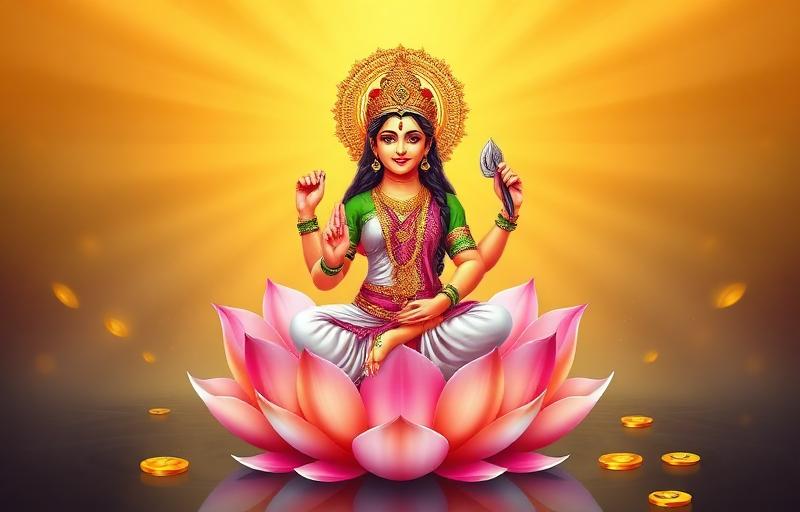
Lighting a diya daily is believed to fill the home with positive energy, drive away negativity and invite the blessings of the divine and Goddess Lakshmi. The soft, steady flame calms the mind, aids meditation and creates a serene, sacred atmosphere for prayer. A ghee or oil lamp also gently purifies the surrounding air. Above all, the daily diya keeps alive the simple, powerful intention to move from darkness toward light, ignorance toward wisdom, in every part of life.
Common Questions From Devotees
Why do we light a diya during puja?+
We light a diya to remove darkness and ignorance with the light of knowledge and the divine. Its upward flame symbolises wisdom rising above ego, fear and confusion.
Should we light a ghee or oil diya?+
A ghee diya is the purest and most auspicious, often lit closest to the deity. Oil lamps like sesame or mustard are used for daily worship and specific deities like Shani and Hanuman.
In which direction should a diya be placed?+
Place the diya so its light falls toward the deity, ideally in the east or north of the pooja room. East is linked to good health and north to wealth; avoid facing it south.
Why should we never blow out a diya?+
Breath is considered impure for the sacred flame. Let the diya burn out on its own or wave it gently to extinguish it, but never blow it out with your mouth.
How many wicks should a daily diya have?+
A single wick is used for daily puja, while an odd number of wicks is lit for special occasions and festivals. Use clean ghee or oil and a clean diya each time.
What are the benefits of lighting a diya daily?+
It is believed to fill the home with positive energy, drive away negativity, invite Lakshmi's blessings, calm the mind, aid meditation and create a serene, sacred atmosphere.
About the author
Dr. Suresh Iyer · Vastu Shastra & Jyotish, 18+ years
Dr. Suresh has practiced traditional Vastu and basic Vedic Jyotish for over 18 years across South India. He contributes the Vastu, direction, and home-puja layout guides on Vandnaa.
Meet the Vandnaa editorial team →Explore on Vandnaa
Related Articles

Why We Ring the Temple Bell - Significance & Benefits
9 min read
Why We Do Parikrama (Circumambulation) - Significance
9 min read
Why We Break a Coconut in Puja - Significance
8 min read
Home Mandir Setup - Direction, Vastu Rules, Dos and Don'ts
9 min read
Lakshmi Aarti Lyrics – Om Jai Lakshmi Mata (लक्ष्मी आरती)
8 min read
Ganesh Aarti Lyrics – Jai Ganesh Deva (गणेश आरती)
8 min read