The Practice: Simplicity Before Solemn Rituals
Before specific rituals, such as certain havans, periods of austerity (tapasya), shraddha rites for ancestors, or vrata observances, devotees are traditionally asked to remove jewellery, adornments, and sometimes even footwear and stitched clothes.
This is quite different from festive worship, where devotees are often encouraged to dress in their finest, showing that Hindu tradition treats adornment as something to be matched to the mood and purpose of each occasion rather than applied the same way everywhere.
The Traditional Reasoning
Many rituals tied to penance, austerity, shraddha or vrata call for a simple, unadorned appearance as a mark of humility before God or in respect of the solemn occasion being observed. Traditional descriptions of such rites generally emphasise plain cotton or silk cloth, often without stitching for certain havans, and bare feet, over any form of ornamentation.
This reflects an old and consistent idea in Hindu ritual practice, that solemn or penitential occasions call for a visibly humbler presentation than joyful, celebratory ones.
What Removing Jewellery Symbolises
Removing jewellery is a way of setting aside vanity, wealth and outward show, entering the ritual as simply oneself rather than as someone displaying status or wealth. It reflects the belief that the divine, or the memory of one's ancestors, deserves full and humble attention, without any distraction of adornment or ego.
In mourning rituals specifically, plain and unadorned dress also marks solemnity and grief, standing in clear, deliberate contrast to the jewellery worn on festive days.
How This Custom Is Followed Today
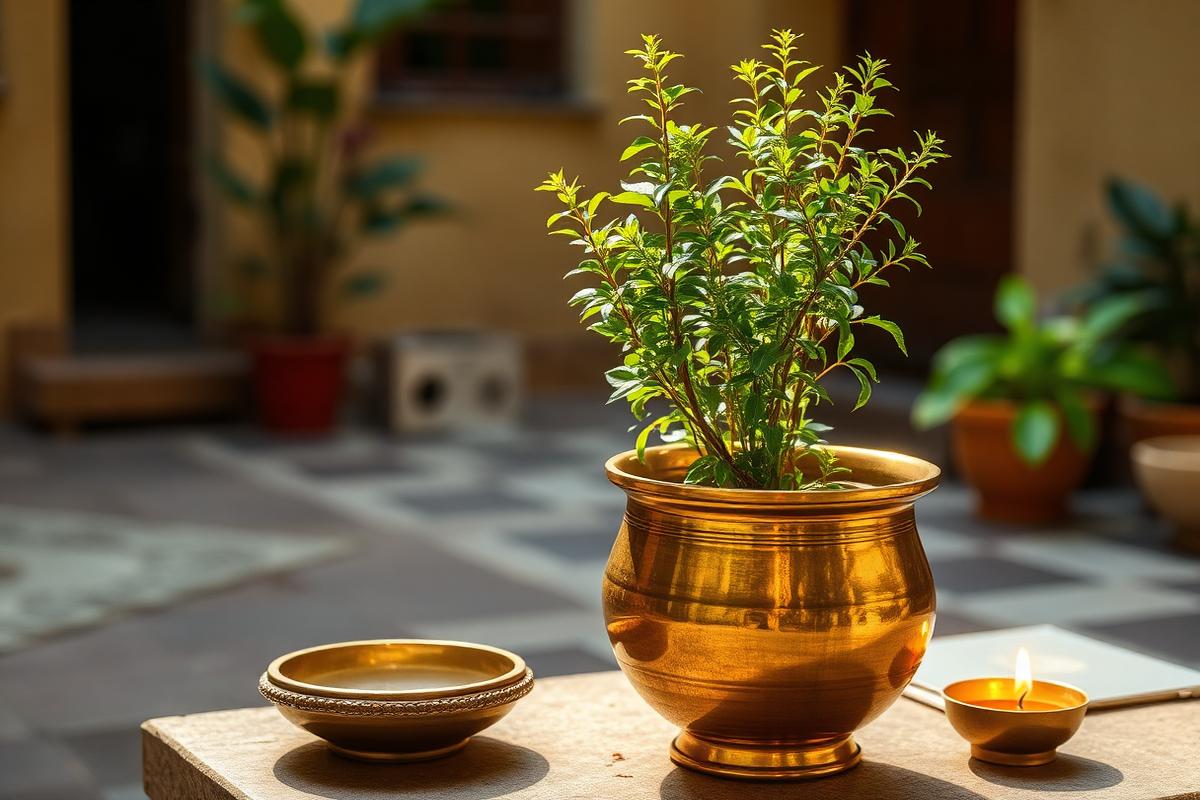
During shraddha ceremonies, many families still follow the custom of simple dress and no jewellery for the person performing the rites, in keeping with the solemnity of honouring ancestors. Priests conducting certain havans or specific poojas may also ask devotees to remove metal jewellery before sitting close to the fire, a custom that is part tradition and part practical safety.
Families observing a strict vrata or specific penance during festivals like Navratri may also choose to dress more simply for the duration of their observance.
Dressing to Match the Spirit of the Moment
Whether adorned in gold for a festival or bare for a solemn rite, both practices point to the same underlying idea, that what devotees wear is chosen to match the spirit of the occasion, festive gratitude or humble simplicity, offered sincerely either way.
Common Questions From Devotees
Is jewellery removed for every puja?+
No, this custom applies mainly to specific solemn rituals like shraddha, certain havans and periods of austerity, while festive worship generally welcomes wearing one's best jewellery.
Why is simple, unstitched cloth used in some rituals?+
Unstitched cloth is traditionally considered a simpler, purer form of dress for certain havans and solemn rites, in keeping with the humility such occasions call for.
Why is jewellery removed specifically near a havan fire?+
This is partly traditional practice tied to simplicity during ritual, and partly a practical safety consideration when sitting close to an open flame for an extended period.
About the author
Anjali Mehta · Editor, M.A. Religious Studies
Anjali is the managing editor for Vandnaa and oversees the festival and vrat coverage. She holds an M.A. in Religious Studies and reviews every published article for accuracy, accessibility, and tradition-fidelity.
Meet the Vandnaa editorial team →